
New York City Beyond the Postcard: What First-Time Visitors Actually Experience
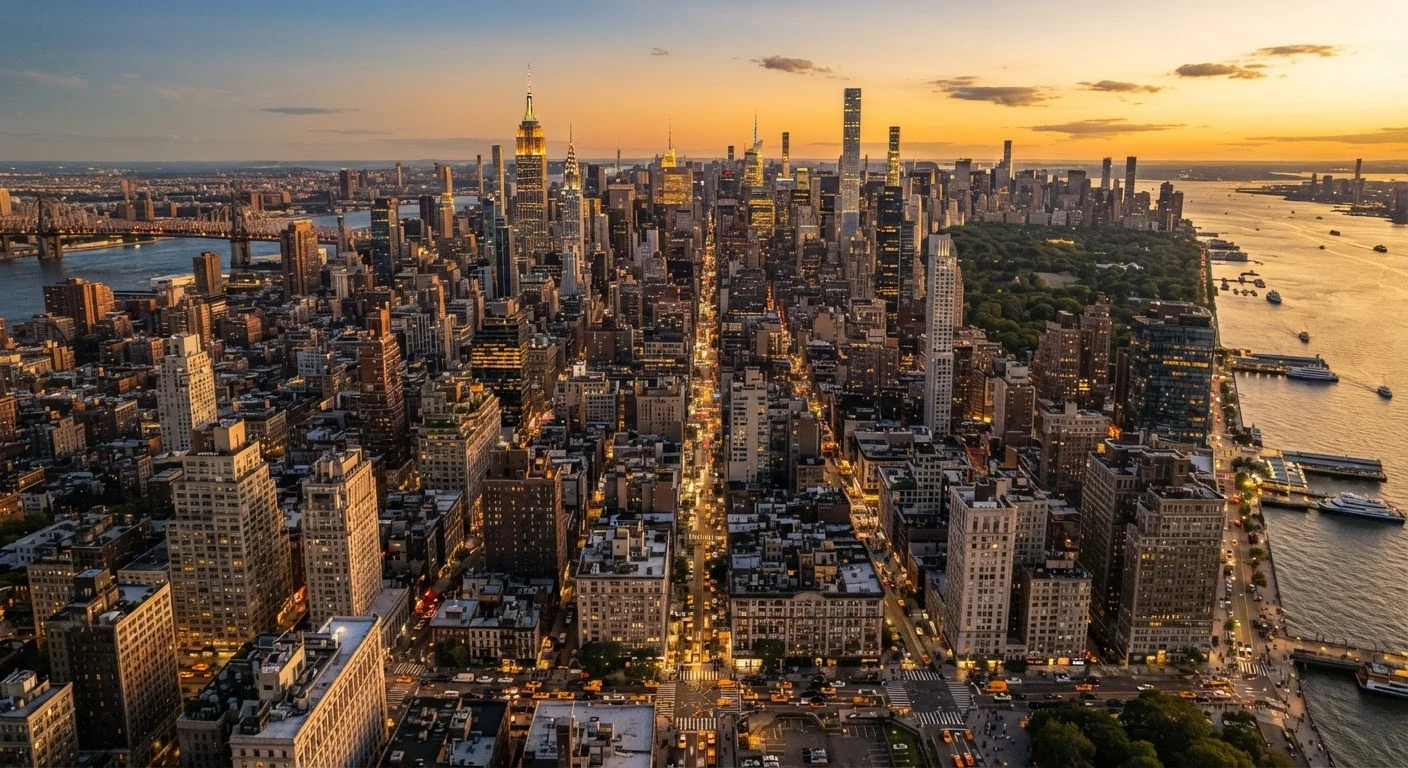
Photo credit: PrimeReads.net | Discover Insightful And Creative Blogs
In this article
From subway navigation to neighbourhood character, here's what NYC is really like before you arrive.
Key Takeaways
- NYC's five boroughs span 302 square miles - plan travel time generously between attractions.
- The subway is the most efficient way to move around, but the system requires some upfront learning.
- Each neighbourhood has a distinct character; where you stay shapes your entire experience.
- Street food and casual dining offer genuine quality without high costs if you know where to look.
- Iconic tourist sites are worth visiting, but scheduling them at off-peak hours saves significant time.
The Scale Problem: NYC Is Much Bigger Than You Think
Most first-time visitors arrive with a mental map shaped by movies and TV - Manhattan as a walkable playground where Central Park, Times Square, and Brooklyn Bridge are all roughly nearby. The reality is more demanding. New York City covers five boroughs and over 300 square miles. Even within Manhattan alone, walking from the Lower East Side to the Upper West Side takes the better part of an hour at a brisk pace.
The practical consequence: overambitious itineraries collapse fast. Visitors who plan to hit four or five major attractions in a single day often end up exhausted and disappointed after two. A more realistic approach is to group visits geographically - spend a morning in one neighbourhood before moving on, rather than zigzagging across the city. For a structured approach to building a schedule that holds up, see our itinerary planning guide.
Navigating the Subway: What No One Tells You
The New York City subway runs 24 hours a day, 7 days a week - something very few metro systems worldwide can claim. For most trips within Manhattan and into Brooklyn or Queens, it is faster and cheaper than any surface option. A rechargeable OMNY card (tap-to-pay) works at turnstiles and eliminates the need for single-ride paper tickets.
What surprises newcomers most is not the map itself but the express versus local distinction. Express trains skip multiple stops; boarding the wrong one can carry you far past your destination before you realize it. Check the digital displays on the platform, not just the train colour. Also note: some lines run on different routes on weekends due to service changes. Checking the MTA's official website or app before heading out is a reliable habit worth building.
Download an offline subway map before you arrive - cell signal underground is unreliable, and pausing to get your bearings at a busy platform creates unnecessary stress.
Many first-time visitors discover mid-journey that their data connection drops in tunnels, leaving them unable to check routes at the exact moment they need to.
If you're visiting a major museum on a day it offers 'suggested donation' pricing, go during the last two hours - crowds thin considerably and the experience is far more relaxed.
Peak museum congestion typically falls between 11 a.m. and 3 p.m.; late-afternoon visits consistently offer shorter lines and calmer galleries.
The subway can feel intimidating at first, but it normalizes quickly - much like adjusting to transit in any unfamiliar city. If you've navigated systems like the Tokyo Metro or London Underground, the principles are similar, though the signage is less consistent. For comparison, see our guide on navigating Tokyo as a first-time visitor.
Neighbourhoods and Their Real Character
Where you base yourself has an outsized effect on how the city feels. Midtown is central and convenient but heavily commercial - dense with tourists, chain restaurants, and office buildings. It rarely reflects daily New York life. First-time visitors who stay in the West Village, Astoria (Queens), or Crown Heights (Brooklyn) often leave with a richer, more textured impression of the city.
A rough orientation: the Lower East Side and Chinatown are dense and historically layered. Harlem carries significant cultural heritage and is far more accessible and welcoming than outdated perceptions suggest. The East Village and Williamsburg attract younger crowds and independent businesses. The Upper West Side is quieter and residential - good for families. Each functions almost as its own town. This kind of neighbourhood diversity is something NYC shares conceptually with other major cities - San Francisco's neighbourhood breakdown makes for a useful contrast.
Food, Cost, and Street Reality
New York has a deserved reputation for expensive dining, but the full picture is more varied. A dollar-slice pizza joint, a halal cart, or a dim sum spot in Flushing, Queens can all deliver genuinely excellent meals for under $10. The city's food diversity - shaped by successive waves of immigration - means virtually every culinary tradition is represented somewhere, often at multiple price points.
On the cost side: taxi and rideshare fares accumulate quickly, museum entry fees (though many are pay-what-you-wish or have free days), and hotel rates in Manhattan are consistently high. Budgeting roughly and leaving room for transit and incidentals will reduce stress considerably. This contrasts with European city travel - see how Paris and Barcelona compare on cost and atmosphere for a sense of the difference.
8.3M+
Residents across NYC's five boroughs
According to U.S. Census Bureau estimates, New York City remains the most populous city in the United States.
~$350
Average nightly hotel rate in Midtown Manhattan
Lodging costs vary significantly by neighbourhood and season; outer borough hotels and short-term rentals often run meaningfully lower.
3.5M
Subway riders on an average weekday
MTA ridership data shows the subway system remains the backbone of daily city movement for both residents and visitors.
Common First-Timer Mistakes (and How to Sidestep Them)
Several patterns reliably catch first-time New York visitors off guard:
- Visiting Times Square at peak hours. The experience at 11 p.m. on a Tuesday is notably less chaotic than a Saturday afternoon. If you want to see it, go once and move on.
- Underestimating airport transit time. JFK is roughly 45-60 minutes from Midtown by AirTrain and subway under good conditions. Newark (EWR) can take longer. Factor this into departure timing.
- Ignoring outer boroughs entirely. Brooklyn's Prospect Park, Flushing Meadows in Queens, and the Staten Island Ferry (free, with views of the Statue of Liberty) are all worth the extra transit time.
- Assuming every attraction requires tickets bought days in advance. Some popular sites - particularly the 9/11 Memorial Museum and popular observation decks - do benefit from advance booking. Others are walk-in with minimal wait on weekday mornings.
For readers planning their first major trip of any kind, the fundamentals of logistics and preparation are covered thoroughly in our ground-up international travel guide. And if you're weighing New York against other major global cities, consider the nuanced realities of Mexico City as an alternative destination with its own depth.

Author
Travel Editorial Team
Travel Editorial Team is the collective byline for our editorial team and contributor network. Articles published under this byline or an editorial pen name are researched, written, and reviewed according to our editorial standards for clarity, consistency, and independence before publication.
View all articles →