
The Overlooked Dimensions of Mexico City as a Travel Destination
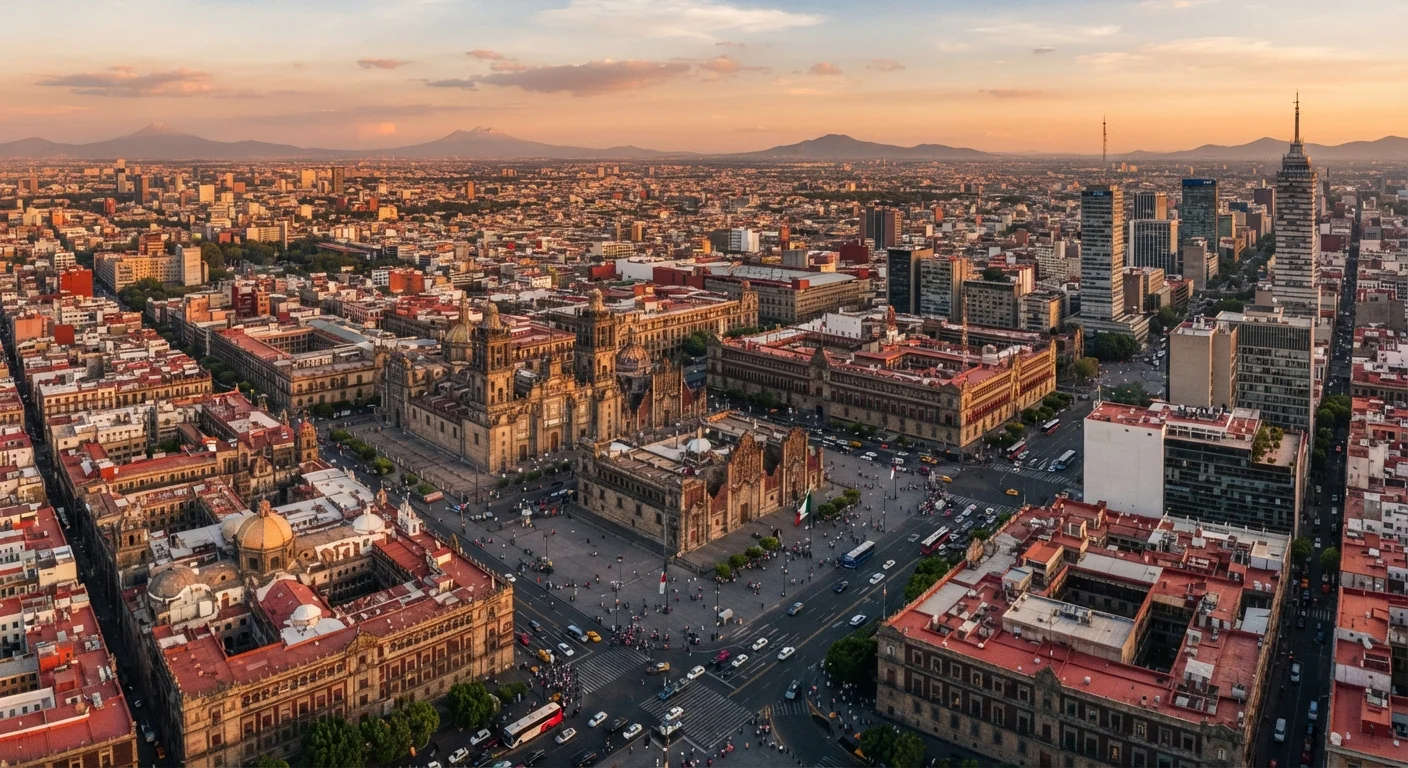
Photo credit: PrimeReads.net | Discover Insightful And Creative Blogs
In this article
Safety perceptions, altitude, cultural depth, and neighbourhood diversity — what makes Mexico City a nuanced destination.
Key Takeaways
- Mexico City's safety varies significantly by neighbourhood - context matters far more than broad generalisations.
- At 7,350 feet above sea level, altitude genuinely affects many visitors and warrants advance preparation.
- The city's 16 boroughs contain dozens of distinct neighbourhoods, each with its own character and pace.
- World-class museums, pre-Hispanic ruins, and contemporary art scenes coexist within walking distance of each other.
- Seasonal timing, transportation choices, and neighbourhood selection all shape the quality of your experience.
- Verifying current entry requirements and travel advisories through official sources before departure is essential.
Rethinking the Safety Conversation
Mexico City occupies a complicated place in American travel perception. Blanket warnings and dramatic headlines have shaped a narrative that frequently doesn't align with the experiences of millions of visitors who travel there each year. That said, dismissing safety considerations entirely would be irresponsible.
The more accurate picture is one of significant variation by area and context. Neighbourhoods such as Condesa, Roma Norte, Polanco, and Coyoacán are well-trafficked, densely populated, and widely considered among the safer urban environments in Latin America. Meanwhile, certain peripheral areas carry higher risk profiles and are generally not on visitor itineraries.
Practical habits matter: using app-based ride services rather than hailing taxis off the street, avoiding displaying expensive electronics conspicuously, and staying oriented about where you are - these are sensible precautions in virtually any major city globally. Before travelling, consult the U.S. Department of State's official travel advisory for Mexico, which breaks conditions down by state rather than treating the country as a single entity. See also our guide on researching a destination without being misled for methods to verify current conditions accurately.
When researching safety in Mexico City, look for neighbourhood-specific accounts from travellers who visited within the past six months - conditions evolve, and older forum posts can paint a misleading picture in either direction.
Destination safety conditions shift over time; outdated information is one of the most common sources of both unnecessary fear and complacency among first-time visitors.
Schedule your first full day in Mexico City as a gentle acclimatisation day - a slow walk through a nearby park, a sit-down meal, and an early bedtime will serve you better than an aggressive sightseeing start.
Altitude-related fatigue is commonly underestimated by visitors arriving from low-elevation cities, and pushing hard on day one frequently leads to a compromised day two or three.
Altitude: A Real Factor, Not a Minor Detail
Mexico City sits at approximately 7,350 feet (2,240 meters) above sea level - higher than Denver, Colorado. For visitors arriving from coastal cities or sea-level locations, this elevation is physically meaningful and frequently underestimated.
Common effects include shortness of breath during light activity, headaches, disrupted sleep in the first one to two nights, and quicker onset of fatigue. Alcohol also hits harder at altitude. None of these are reasons to avoid the city, but arriving with awareness allows you to pace the first day accordingly rather than being caught off guard.
Practical adjustments include staying well-hydrated, limiting strenuous activity on arrival day, and not scheduling your most demanding itinerary items immediately. Travellers with cardiovascular conditions or respiratory sensitivities should consult a healthcare professional before the trip - this is general informational guidance, not medical advice tailored to any individual.
7,350 ft
Mexico City's elevation above sea level
This places it significantly higher than Denver, Colorado, which sits at approximately 5,280 feet - a difference that has real physiological effects on visitors.
~21 million
Greater Mexico City metropolitan population
The Mexico City metro area is among the largest in the Western Hemisphere, making it one of the most complex urban environments a traveller can visit.
195+
Metro stations across the city's network
Mexico City's Metro is one of the most extensive subway systems in the Americas, covering a wide geographic range at very low cost per journey.
Neighbourhood Diversity You Won't Find in a Single Postcard
Mexico City's 16 administrative boroughs contain an extraordinary range of lived environments. The mistake many first-time visitors make is staying within one or two areas and assuming they've seen the city's character.
- Centro Histórico - the colonial core, home to the Zócalo, the Metropolitan Cathedral, and the ruins of Templo Mayor embedded within the urban fabric. Dense, loud, historically layered.
- Roma and Condesa - tree-lined streets with Art Deco architecture, independent cafes, and a strong pedestrian culture. Popular with long-term expats and a younger local professional class.
- Coyoacán - a quieter, more village-like borough in the south, closely associated with Frida Kahlo and Diego Rivera. Weekend markets, cobblestone streets, local food stalls.
- Xochimilco - the floating garden canal system, a UNESCO World Heritage Site, and a dimension of the city that feels genuinely distinct from its urban density.
- Tepito and La Merced - working-class commercial zones that experienced travellers may pass through with awareness, but that require more orientational caution than the above areas.
Much like understanding the borough-by-borough texture described in our piece on what first-time NYC visitors actually experience, Mexico City rewards those who engage with its internal contrasts rather than flattening them.
Cultural Depth Beyond the Obvious Landmarks
The Anthropology Museum in Chapultepec Park is, by most accounts, one of the great museums in the world - and it's often underestimated even by visitors who do make it there, because the scale is not fully grasped until you're inside. Set aside a full morning or afternoon rather than squeezing it into a two-hour window.
Beyond the landmark institutions, Mexico City has developed a contemporary arts scene that draws international attention. Neighbourhoods like Roma Norte contain a dense concentration of independent galleries. The city hosts serious culinary culture that spans everything from street-stall cooking to internationally recognised restaurants - though food recommendations evolve quickly, so current local food media is a more reliable source than any static list.
“Mexico City is not a city you understand in a week. It is a city you begin to understand - and that beginning is worth the effort.”
— Carlos Monsiváis, Mexican cultural critic and chronicler of Mexico City life
For travellers interested in engaging more intentionally with this cultural complexity, building an itinerary with genuine flexibility is worth thinking through before you arrive.
Practical Logistics First-Timers Underestimate
Mexico City's scale is not always visible on a map. It is one of the largest metropolitan areas in the Western Hemisphere, and distances that appear short can take considerable time due to traffic. The city's Metro system is extensive and inexpensive, and many seasoned visitors rely on it for longer crossings - it also offers a ground-level view of daily urban life that taxis and rideshares don't provide.
Tap water is generally not considered safe to drink directly. Bottled or purified water is the standard practice, and most restaurants and hotels operate accordingly. This is not unique to Mexico City among major cities globally, but worth anticipating.
Timing your visit relative to seasonal patterns is also worth considering. The city's dry season roughly spans November through April; the rainy season runs May through October, with afternoon showers common in the summer months. Our piece on off-season travel trade-offs discusses how seasonal timing affects experience in practical terms.
How to Plan a Visit That Reflects the Real City
The travellers who come away most satisfied with Mexico City tend to share a few common approaches: they base themselves in a walkable neighbourhood rather than choosing accommodation purely by price or proximity to an airport, they build in unscheduled time rather than over-programming, and they approach the city with genuine curiosity rather than a checklist mentality.
Whether you're travelling alone or with others shapes the experience considerably - our guide to solo vs. group travel trade-offs covers how each mode affects flexibility and safety calculus in destinations like this.
A minimum of five days allows enough time to meaningfully experience more than one neighbourhood without rushing. Longer stays reveal the city's rhythms - the weekend market culture, the neighbourhood-specific food patterns, the shift in atmosphere between weekday and weekend in areas like Coyoacán or the Centro.
Mexico City is a city that complicates easy narratives. Approaching it with that understanding, rather than seeking a simplified version of it, is the most honest preparation a visitor can make.
Entry requirements, visa rules, and travel advisories change. Always verify current conditions with official government sources and your airline or travel provider before departure. This article provides general travel information and does not constitute personalised travel, medical, or legal advice.

Author
Travel Editorial Team
Travel Editorial Team is the collective byline for our editorial team and contributor network. Articles published under this byline or an editorial pen name are researched, written, and reviewed according to our editorial standards for clarity, consistency, and independence before publication.
View all articles →