
Eating Well on a Tight Schedule: Structuring Meals When Time Is Short
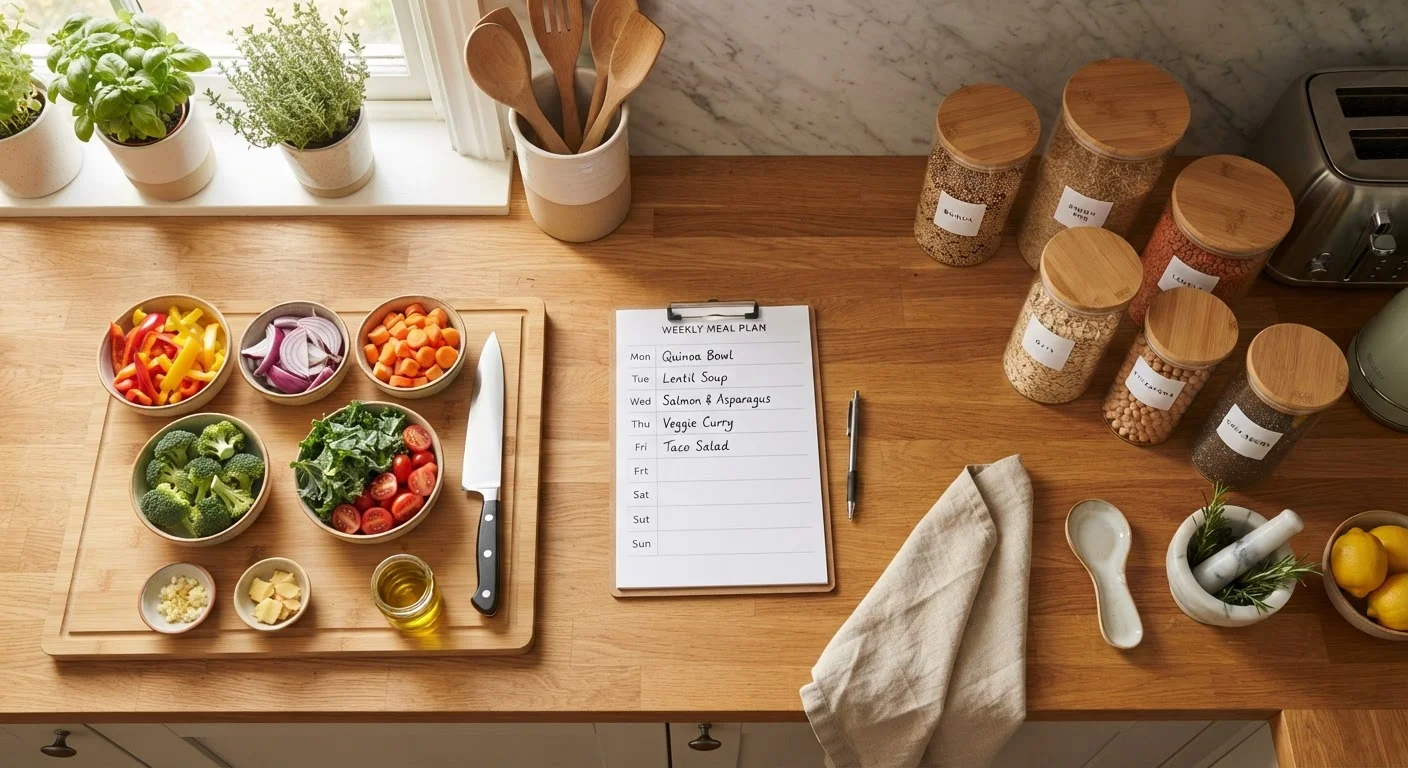
Photo credit: PrimeReads.net | Discover Insightful And Creative Blogs
In this article
Practical strategies for maintaining consistent, nutritious meals even when your daily routine leaves little room for cooking or planning.
Key Takeaways
- A consistent meal structure reduces reliance on impulse food decisions that often lack nutritional balance.
- Batch-preparing a few core ingredients weekly cuts active cooking time to minutes on busy days.
- Simple, protein-anchored meals support steadier energy levels throughout the day.
- You don't need elaborate recipes - a workable framework matters more than perfection.
- Small, repeatable habits compounded over weeks produce meaningful improvements in daily nutrition.
Why Tight Schedules Undermine Nutrition - and How Structure Helps
When time is genuinely scarce, nutrition is often the first casualty - not because people don't care, but because good eating requires a chain of small decisions that busy days make harder to execute. You need to have the right food available, the energy to prepare it, and a moment to actually eat it. When any one of those conditions fails, the whole system collapses.
The solution isn't willpower or motivation - it's structure. Research in behavioral nutrition consistently shows that environmental design and pre-made decisions outperform in-the-moment effort when it comes to dietary consistency. In other words, deciding in advance what you'll eat, and ensuring those ingredients are ready, removes the heaviest cognitive load from the moments when you're most pressed for time.
This doesn't require elaborate meal plans or hours in the kitchen. The strategies below are designed to be minimal in setup time and sustainable over the long term - habits you can realistically maintain through a demanding week, not just manage on a quiet weekend.
This Is General Nutrition Information
The strategies in this article are general educational guidance, not personalized medical or dietary advice. Individual nutritional needs vary based on health status, age, activity level, and other factors. If you have a specific health condition or concern, consult a registered dietitian or qualified healthcare professional before making significant changes to your eating habits.
What You'll Need Before You Start
Getting the right tools and habits in place upfront makes everything downstream significantly easier. Below are the key prerequisites and equipment worth having on hand before building your routine.
What you will need
Airtight food storage containers
Store prepped ingredients and assembled meals safely in the refrigerator or freezer.
Sheet pan or baking tray
Roast multiple vegetables or proteins simultaneously with minimal hands-on effort.
Rice cooker or instant pot
Cook large batches of grains or legumes hands-free while handling other tasks.
Weekly meal planner template
Map out your meal structure for the week to reduce daily decision fatigue.
Step-by-Step: Building Your Time-Efficient Meal Structure
Follow these steps in order when setting up your system for the first time. Once established, the process becomes largely automatic - most of the effort is front-loaded into your weekly prep session rather than spread across every meal.
Map out a realistic weekly meal framework
Before you shop or cook anything, spend five to ten minutes sketching a loose meal map for the week. You don't need to plan every dish - instead, identify which days are genuinely hectic (requiring near-zero prep) versus which allow slightly more time. Mark those gaps honestly. This framework prevents the most common failure point: arriving at a meal with no plan and defaulting to less nutritious options out of convenience.
If you're new to this process, building a healthy weekly meal routine from scratch offers a structured starting point.
Choose three to five versatile base ingredients
Select a small roster of ingredients that work across multiple meals: a whole grain (such as brown rice, farro, or oats), a protein source (such as eggs, canned legumes, or cooked chicken), a leafy green, a roastable vegetable, and a healthy fat like olive oil or avocado. These five categories, stocked consistently, can generate dozens of different meals without requiring complex recipes. Variety comes from how you combine and season them, not from buying entirely different items each week.
For guidance on whether your regular shop covers your nutritional bases, a weekly grocery nutrition audit provides a useful checklist.
Dedicate one prep session per week to cook base ingredients
Set aside 30-45 minutes on a lower-pressure day - often a Sunday or a weekday evening - to cook your grains in bulk, roast a tray of vegetables, and hard-boil or prep your protein. These cooked components then become building blocks you assemble rapidly throughout the week rather than starting from scratch each day. This is the core principle behind meal prepping, and it works because it separates time-intensive cooking from the actual mealtime crunch.
For a realistic overview of what batch preparation actually involves, see what meal prepping actually involves.
Build meals using a simple assembly formula
Rather than following recipes under time pressure, apply a consistent structure: one portion of your grain or starchy base + one protein source + one or two vegetables + a small amount of healthy fat + a seasoning element (lemon, vinegar, herbs, spices). This formula takes under five minutes to assemble from prepped ingredients and reliably produces a nutritionally balanced plate. Rotating your seasoning and vegetable choices keeps meals from feeling repetitive.
Set consistent meal windows rather than eating reactively
Irregular eating driven by opportunity rather than intention tends to result in nutritional gaps and overeating at specific meals. Choosing approximate time windows for meals - not rigid schedules, but rough anchors - makes it easier to ensure you actually eat three times a day. Research on meal timing suggests that consistent patterns support better appetite regulation, though individual needs vary significantly. Whether three structured meals or a different rhythm suits you best is worth examining; what the evidence says about meal frequency explores this in depth.
Anchor Each Meal With Protein
Including a protein source - eggs, legumes, plain Greek yogurt, canned fish, or tofu - at each meal helps support satiety and reduces mid-morning or mid-afternoon energy dips. You don't need large quantities; even modest amounts make a measurable difference. See what nutrition research suggests about sustained focus for more on this pattern.
Consistency matters more than nutritional perfection at any single meal. A slightly imperfect lunch you actually eat is nutritionally superior to an ideal one you skip. Focus on building the system first; fine-tuning comes naturally over time. For broader context on building productive daily routines, the same principle applies: small, repeated actions compound into lasting habits.
This article is for general informational and educational purposes only and does not constitute medical or dietary advice. Consult a registered dietitian or qualified healthcare professional for guidance tailored to your individual health needs.

Author
Food Editorial Team
Food Editorial Team is the collective byline for our editorial team and contributor network. Articles published under this byline or an editorial pen name are researched, written, and reviewed according to our editorial standards for clarity, consistency, and independence before publication.
View all articles →