
Tokyo for the Completely Unprepared Traveller
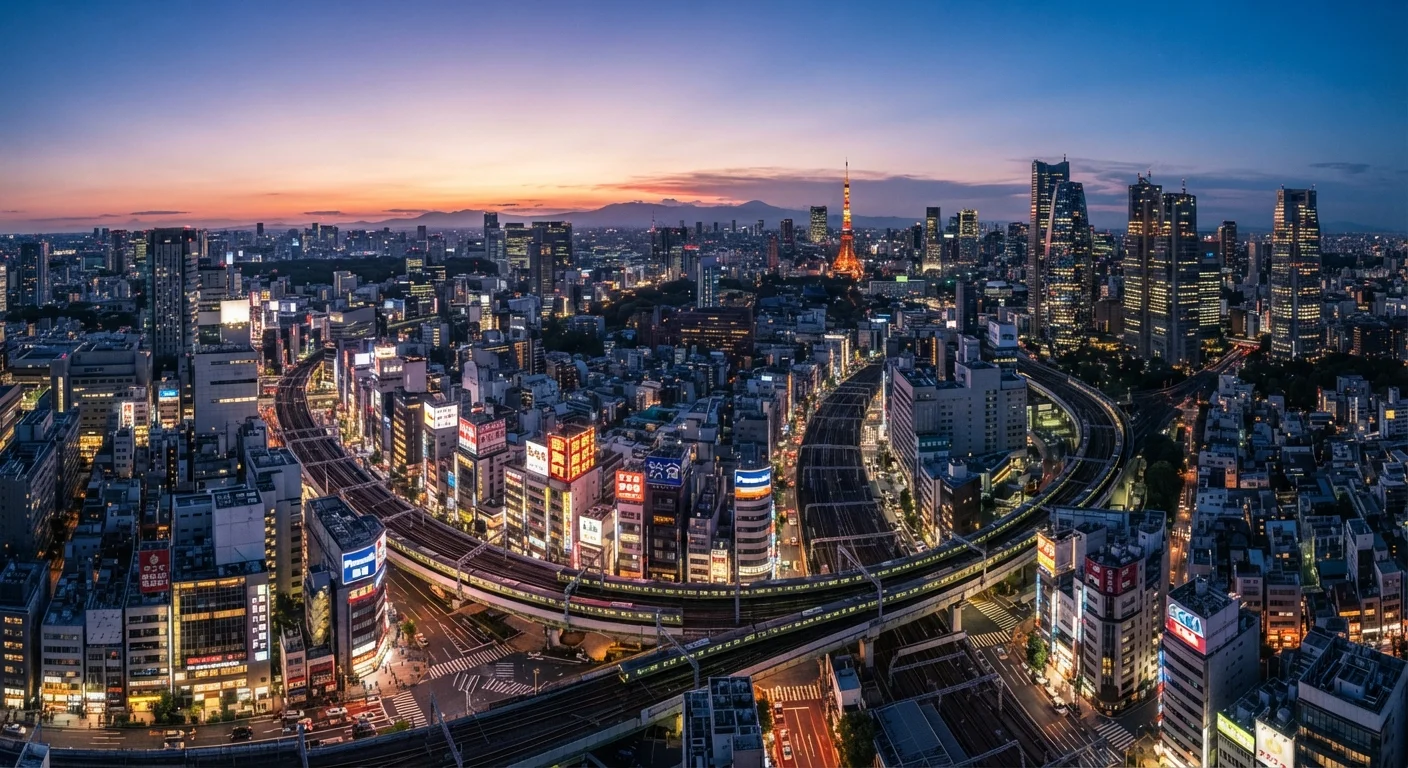
Photo credit: PrimeReads.net | Discover Insightful And Creative Blogs
In this article
Language barriers, transit systems, etiquette, and neighbourhoods — a grounded introduction to visiting Tokyo.
Key Takeaways
- Tokyo's rail network is expansive but learnable - an IC card covers most trips.
- English signage is common in transit hubs; basic Japanese phrases go a long way socially.
- Cash is still widely used in Tokyo, so carry yen even if you rely on cards at home.
- Different neighbourhoods serve very different purposes - planning by area saves significant time.
- Quiet etiquette on trains and in restaurants is a genuine cultural norm, not a guideline.
What Makes Tokyo Different From Other Major Cities
Tokyo is frequently called overwhelming by first-time visitors - and that reaction is understandable. It is home to roughly 14 million people within city limits, operates one of the world's most complex transit networks, and functions according to social norms that differ noticeably from Western urban life. But overwhelm is mostly a product of unfamiliarity. The city is, in practice, exceptionally well-organised.
Unlike cities where navigation relies heavily on language fluency or local knowledge, Tokyo has invested significantly in tourist infrastructure. Train stations display English alongside Japanese. QR codes and translation apps fill most remaining gaps. The challenge isn't inaccessibility - it's sheer scale.
If you've used our first international trip guide to handle your passport and visa logistics, Tokyo is a genuinely strong first major international destination precisely because its systems are consistent and predictable.
IC Card
A rechargeable contactless card (such as Suica or Pasmo) used to pay for trains, buses, and some purchases across Tokyo. Tap to enter and exit transit gates.
Shinkansen
Japan's high-speed bullet train network, connecting Tokyo to cities across the country at speeds up to around 200 mph. Separate ticketing from local transit.
Izakaya
A Japanese-style pub that serves food alongside drinks. Casual, social dining spots common throughout Tokyo neighbourhoods.
Ward (ku)
Tokyo is divided into 23 special wards, each functioning somewhat like a borough. Shinjuku, Shibuya, and Asakusa are all distinct wards with their own character.
Pocket Wi-Fi
A portable mobile hotspot device rented by travellers to access the internet throughout Japan without roaming charges on their home plan.
Getting Around: The Transit System Explained
Tokyo's rail network is operated by multiple companies - Japan Rail (JR), Tokyo Metro, Toei, and private lines - which can look daunting on a route map. In practice, an IC card (Suica or Pasmo) handles payment across all of them seamlessly. Load it with yen at the airport and tap in and out at each gate. No need to buy individual tickets for most journeys.
The subway runs frequently (often every two to four minutes during peak hours) and stops with precision. Delays are uncommon enough that they make local news. For longer regional trips - including day trips to Kyoto or Nikko - the Shinkansen (bullet train) connects Tokyo to much of Japan. Our companion piece on getting around Japan by transit covers IC cards, luggage forwarding, and rail passes in greater depth.
Taxis exist but are expensive relative to transit. Ride-hailing apps operate in Tokyo, though options are more limited than in some other major cities. Walking between nearby stations is often faster than it appears on the map.
Language, Etiquette, and Everyday Norms
Tokyo's social norms are specific, and knowing a few of them prevents inadvertent rudeness. On the subway, talking on your phone is generally avoided; voices are kept low. Eating while walking is frowned upon in many neighbourhoods, though it's accepted near certain market streets. Shoes come off when entering traditional accommodations. Tipping is not customary - in some contexts it can cause confusion or offence.
English proficiency varies widely. Younger residents in tourist-heavy areas often communicate well in English; elsewhere, patience and a translation app bridge most gaps. Google Translate's camera mode handles menus and signage effectively. Learning a handful of Japanese phrases - sumimasen (excuse me), arigatou gozaimasu (thank you), eigo ga hanasemasu ka? (do you speak English?) - signals respect and is usually met warmly.
Download Offline Maps Before You Land
Cellular data isn't guaranteed from the moment you clear customs. Download an offline map of Tokyo (Google Maps allows this) before your flight so you can navigate from the airport even before activating a SIM card or pocket Wi-Fi. Transit apps like Hyperdia or Google Maps also work well once you're connected.
For a useful comparison of how cultural norms shape the first-timer experience in another major city, our piece on what NYC is really like for first-time visitors illustrates just how differently two world capitals can operate.
Neighbourhoods Worth Knowing Before You Arrive
Tokyo's wards each have distinct character. Understanding a few before you go helps you plan days around geography rather than backtracking across the city.
- Shinjuku - a major transit hub and commercial centre with both high-rise nightlife and the serene Shinjuku Gyoen garden nearby.
- Asakusa - Tokyo's most intact historic district, home to Senso-ji temple and traditional craft shops. A grounding counterpoint to the city's modernity.
- Shibuya - famous for its scramble crossing, dense with youth fashion, entertainment, and shopping.
- Akihabara - electronics and gaming culture concentrated in one walkable area; polarising but distinctly Tokyo.
- Yanaka - a quieter, older neighbourhood that survived WWII bombing, offering a glimpse of pre-modern Tokyo street life.
Most first-time visitors stay in Shinjuku or Shibuya for transit convenience, but building day trips around specific neighbourhoods - rather than trying to 'see everything' - produces a more satisfying and less exhausting visit.
Practical Essentials: Money, Connectivity, and Safety
Japan remains more cash-reliant than many travellers expect. Smaller restaurants, local izakayas, temple entrance fees, and vending machines (which are everywhere) typically require yen. International cards are increasingly accepted at chain retailers and larger restaurants, but carrying cash daily is genuinely necessary. ATMs at 7-Eleven convenience stores and Japan Post offices reliably process foreign debit and credit cards.
For connectivity, pocket Wi-Fi devices and data SIM cards are available for rent or purchase at major airports on arrival. Both work well. A local data connection matters more in Tokyo than in many cities because transit apps, maps, and translation tools are central to navigating the day.
Tokyo is among the world's safer major cities for tourists. Petty theft is uncommon, and it is routine to see wallets and bags left unattended briefly at cafes. That said, standard travel caution applies - keep copies of your passport and travel documents, and review current entry requirements with official sources before departure. Our pre-departure checklist covers visa verification, travel insurance, and documentation in detail.
Tokyo rewards preparation but doesn't punish the unprepared as severely as its reputation might suggest. The city's infrastructure is genuinely built to help visitors find their footing - sometimes faster than they expect.
Frequently Asked Questions

Author
Travel Editorial Team
Travel Editorial Team is the collective byline for our editorial team and contributor network. Articles published under this byline or an editorial pen name are researched, written, and reviewed according to our editorial standards for clarity, consistency, and independence before publication.
View all articles →