
Building Your First Healthy Weekly Meal Routine From Scratch
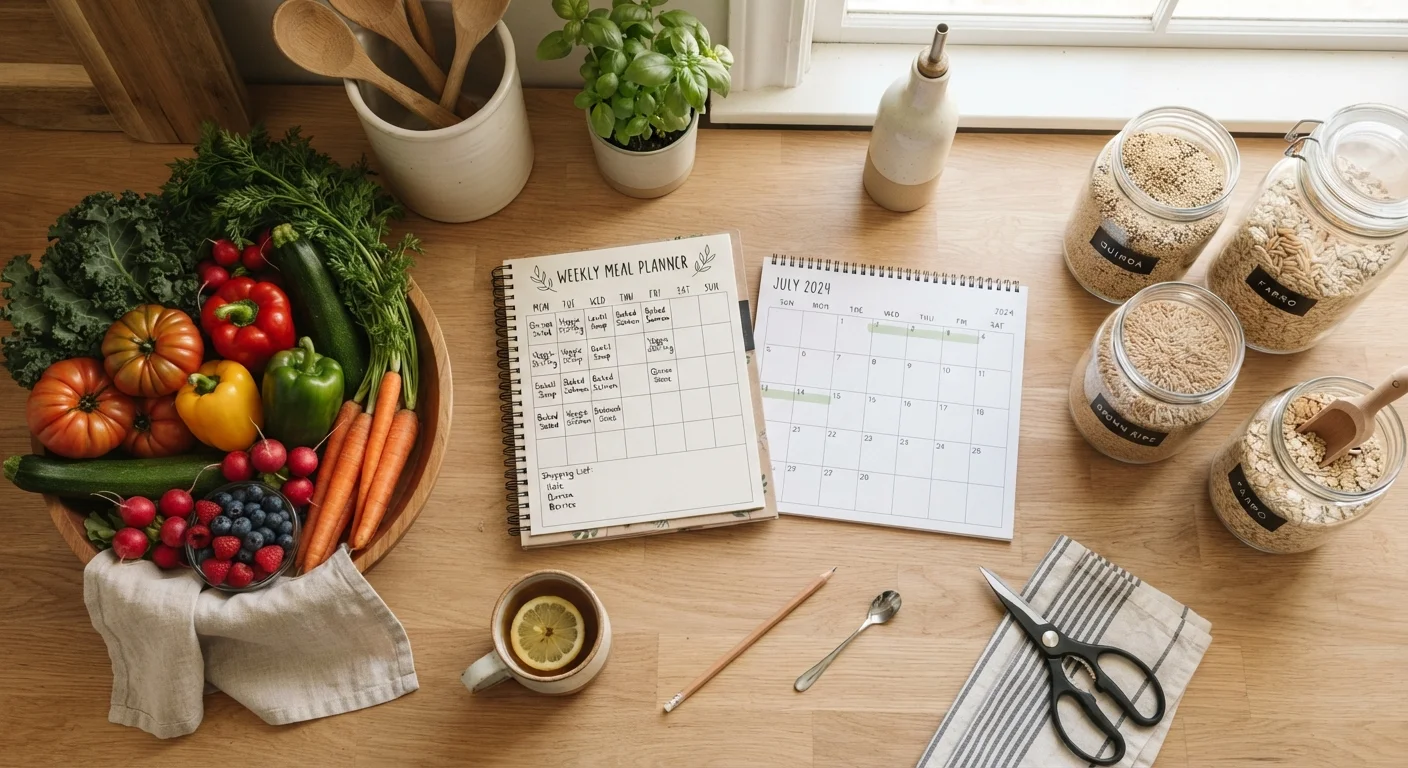
Photo credit: PrimeReads.net | Discover Insightful And Creative Blogs
In this article
A practical starting point for anyone new to meal planning — covering structure, variety, and how to set realistic expectations from day one.
Key Takeaways
- A consistent meal routine reduces decision fatigue and supports more nutritious food choices overall.
- Balanced meals pair a protein source, complex carbohydrate, healthy fat, and vegetables at most eating occasions.
- Variety across the week matters more than perfection at any single meal.
- Start with three planned dinners and build from there - don't overhaul everything at once.
- Grocery planning and meal planning work together; one without the other often falls short.
Why a Weekly Routine Beats Random Healthy Eating
Eating well occasionally is easier than eating well consistently. The gap between the two is largely structural - and that is where a weekly meal routine earns its value.
When you plan meals in advance, you reduce the number of food decisions you make under pressure. Research in behavioral nutrition consistently links decision fatigue to lower-quality food choices, particularly later in the day when cognitive resources are depleted. A routine removes that friction by answering the question what's for dinner? before hunger or exhaustion shapes the answer for you.
A weekly framework also makes it easier to track nutritional variety over time. Rather than judging each meal in isolation, you can assess whether the week as a whole covered enough vegetables, adequate protein sources, and sufficient fiber - a much more forgiving and accurate lens. Pair this approach with a consistent grocery strategy; our weekly grocery nutrition audit can help you evaluate whether your typical shop actually supports the variety you're aiming for.
The Simple Structure Behind a Balanced Meal Plan
Healthy meals don't require elaborate preparation. At their core, most nutritionally sound eating occasions follow a consistent pattern: a source of protein, a complex carbohydrate, a healthy fat, and at least one vegetable or fruit. This four-part framework, loosely aligned with USDA dietary guidance, works for breakfast, lunch, and dinner with minimal modification.
Complex carbohydrate
A type of carbohydrate made up of longer chains of sugar molecules, found in foods like whole grains, legumes, and vegetables. They digest more slowly than simple carbs, supporting steadier energy levels.
Macronutrient
The three main categories of nutrients the body needs in larger amounts: protein, carbohydrates, and fat. All three play essential roles in energy, structure, and function.
Dietary fiber
A type of carbohydrate found in plant foods that the body cannot fully digest. It supports digestive health and helps promote feelings of fullness after meals.
Phytonutrients
Naturally occurring compounds found in plants - such as those that give fruits and vegetables their colors - that may support health, though research on many is still developing.
Decision fatigue
The decline in quality of decisions made after a long series of choices. In eating behavior, it can lead to less intentional food selections later in the day.
Practically, this might look like:
- Breakfast: Eggs (protein) with whole grain toast (complex carb), avocado (fat), and a handful of spinach or fruit
- Lunch: Canned chickpeas (protein + fiber) over brown rice (complex carb) with olive oil dressing (fat) and roasted vegetables
- Dinner: Grilled salmon or tofu (protein), quinoa (complex carb + protein), a drizzle of tahini (fat), and steamed broccoli
The goal is not to follow this formula with rigid precision at every meal, but to use it as a mental checklist that keeps your choices grounded. For a deeper look at what specific ingredients contribute nutritionally, explore the Ingredients & Nutrients hub.
Building Variety Without Overcomplicating Things
Dietary variety matters for more than avoiding boredom. Eating across a wide range of whole foods exposes the body to different vitamins, minerals, phytonutrients, and fiber types - a diversity that any single food, no matter how nutritious, cannot provide alone.
For beginners, variety is most manageable when approached by category rotation rather than recipe rotation. Instead of trying seven entirely different dinners, rotate your protein sources across the week - poultry, fish, legumes, eggs - while keeping your cooking method simple. Swap the grain (brown rice one night, farro another, whole grain pasta a third) and change the vegetable rather than the entire dish.
This approach keeps grocery lists manageable and reduces food waste. If you find yourself short on time mid-week, our article on eating well on a tight schedule offers practical strategies for maintaining nutritional quality when the plan runs into real life.
Setting Realistic Expectations From Day One
The most common mistake beginners make is planning too ambitiously in week one. A seven-day plan covering every meal, built around new recipes and unfamiliar ingredients, is almost certain to collapse under normal life pressure.
Start smaller and more deliberately. Aim to plan three dinners and establish one consistent breakfast pattern. Repeat those successfully for two to three weeks before adding complexity. Sustainable nutritional habits are built through repetition, not intensity.
It also helps to separate meal planning from meal prepping at the outset. Planning - deciding what you'll eat - is the foundational skill. Prepping - cooking in advance - is a separate, optional layer. Conflating the two can make the whole endeavor feel heavier than it needs to be. For an honest look at whether batch cooking suits your lifestyle, see our guide to meal prepping.
Finally, recognize that consistency matters more than perfection. A week where you hit four out of seven planned meals is a successful week - and a foundation you can build on. A healthy meal routine is also a meaningful component of broader preventive health; the principles here connect well with the strategies covered in building a preventive health routine that actually sticks.
This article is for general informational and educational purposes only and is not a substitute for personalized advice from a qualified healthcare professional or registered dietitian.
Your First Week: A Practical Starting Framework
Use the steps below as a low-pressure template for your first planned week. Adapt freely to your household size, food preferences, and schedule.
- Choose a planning day. Sunday works for many people, but any consistent day will do. Spend 15 minutes deciding on three dinners and one breakfast pattern.
- Write a focused grocery list. Buy only what you need for those planned meals plus reliable staples - eggs, canned legumes, frozen vegetables, whole grain bread, olive oil.
- Keep two nights unplanned. Designate two evenings as flexible - leftovers, simple grain bowls, or whatever the week allows. This prevents the plan from feeling restrictive.
- Evaluate briefly at week's end. Which meals worked? What felt like too much effort? Use those answers to refine week two, not to judge week one.
Building a healthy weekly routine is a skill that improves with iteration. The first week's job is simply to introduce structure - not to achieve nutritional perfection. Give yourself room to learn, and the habit will follow.
Frequently Asked Questions

Author
Food Editorial Team
Food Editorial Team is the collective byline for our editorial team and contributor network. Articles published under this byline or an editorial pen name are researched, written, and reviewed according to our editorial standards for clarity, consistency, and independence before publication.
View all articles →