
Coolant, Antifreeze, and Your Engine's Temperature: A Practical Overview
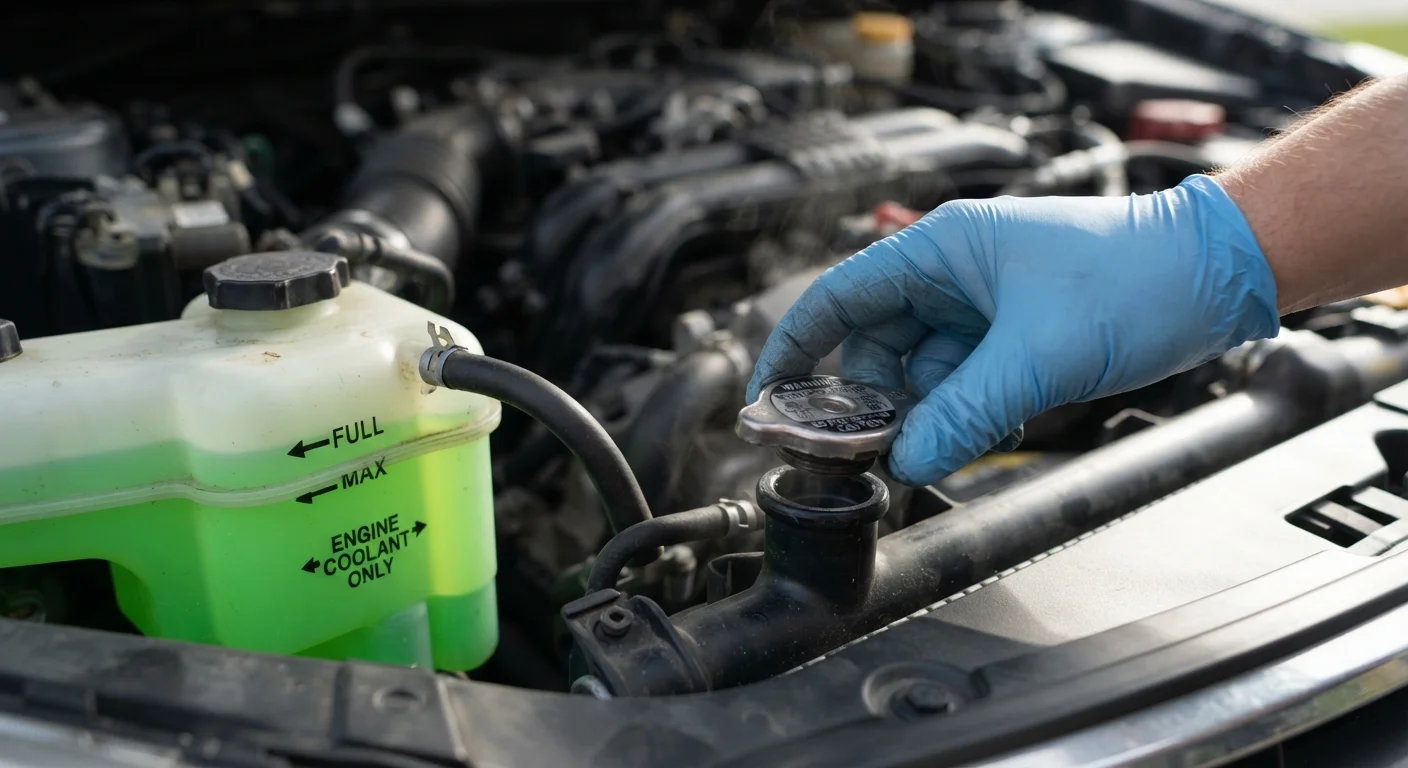
Photo credit: PrimeReads.net | Discover Insightful And Creative Blogs
In this article
Understand how your car's cooling system works, what coolant actually does, and the signs that something may be going wrong.
Key Takeaways
- Coolant prevents both overheating in summer and freeze damage in winter - it does two jobs at once.
- Most modern engines use a 50/50 mix of antifreeze concentrate and distilled water.
- Different coolant formulations are not universally interchangeable - check your owner's manual.
- A rising temperature gauge, sweet smell, or white exhaust smoke are early warning signs worth investigating promptly.
- Coolant degrades over time and typically needs flushing every 30,000 to 50,000 miles, depending on the vehicle.
- Never open a radiator cap on a hot engine - the pressurized system can cause serious burns.
What Coolant Actually Does
An internal combustion engine generates enormous heat as a byproduct of burning fuel. Left unchecked, that heat would warp metal, destroy gaskets, and seize the engine within minutes. Coolant - the liquid circulating through your engine - exists to prevent that from happening.
Its job is two-sided. In summer, it absorbs excess heat from the engine block and releases it through the radiator, keeping operating temperatures within a safe range. In winter, the antifreeze component in the mix prevents the fluid from freezing inside the engine, which would crack the block. A properly maintained cooling system handles both extremes, which is why the fluid matters year-round - not just when temperatures spike. For seasonal context, see our seasonal car care guide.
Beyond temperature control, coolant also contains corrosion inhibitors that protect metal surfaces inside the engine, water pump, and radiator from rust and scale buildup. Those inhibitors degrade over time, which is why coolant has a service life - it is not simply about keeping the fluid level up.
How the Cooling System Works Together
The cooling system is a closed loop. A water pump - typically belt-driven off the engine - pushes coolant through passages cast into the engine block and cylinder head. The fluid absorbs heat as it moves, then travels out to the radiator at the front of the vehicle.
Inside the radiator, coolant passes through a grid of thin tubes surrounded by fins. Air flowing through those fins - from forward motion or the radiator fan - pulls heat away from the fluid. Cooled, the coolant returns to the engine and the cycle repeats. A thermostat acts as a gatekeeper: it stays closed while the engine is cold, allowing it to warm up efficiently, then opens once normal operating temperature is reached.
Coolant
A fluid - typically a mixture of antifreeze concentrate and water - that circulates through the engine and radiator to regulate operating temperature.
Antifreeze
A concentrated chemical additive, usually ethylene glycol-based, that lowers the freezing point and raises the boiling point of the water it is mixed with.
Thermostat
A valve in the cooling system that stays closed while the engine warms up and opens once it reaches normal operating temperature, allowing coolant to flow through the radiator.
Radiator
A heat exchanger at the front of the vehicle that transfers heat from the coolant to the outside air as the fluid passes through it.
Coolant flush
A maintenance procedure that drains the old coolant from the system, cleans residual deposits, and refills with fresh fluid.
OAT / HOAT
Abbreviations for Organic Acid Technology and Hybrid Organic Acid Technology - two common modern coolant formulations with different corrosion inhibitor packages and service life ratings.
The overflow reservoir (sometimes called the coolant expansion tank) absorbs fluid that expands when heated and returns it to the system as it cools. This is the transparent plastic tank you check when monitoring coolant level - not the radiator itself on most modern vehicles.
Coolant Types and Mix Ratios
Not all coolants are the same, and mixing incompatible types can cause the fluid to lose its protective properties. The most common formulations are:
- IAT (Inorganic Additive Technology): The traditional green coolant. Less common in newer vehicles, with a shorter service interval around two years or 30,000 miles.
- OAT (Organic Acid Technology): Common in many GM, European, and some Asian vehicles. Typically orange, red, or pink. Longer service life, often up to five years.
- HOAT (Hybrid OAT): A blend of OAT and IAT inhibitors. Used by several manufacturers. Colors vary.
The right choice is whichever type your owner's manual specifies - not whatever is on sale or whatever color was already in the system. See our article on reading your car's fluids for more on identifying fluid conditions.
Coolant Color Does Not Indicate Chemistry
Green, orange, yellow, pink, and blue coolants are sold at most auto parts stores, but the color is determined by dye - not the chemical formulation. Two different-colored coolants can share the same chemistry, and two same-colored coolants can be incompatible. The only reliable guide is your owner's manual or the specification printed on the coolant container.
For mix ratio, a 50/50 blend of antifreeze concentrate and distilled water is appropriate for most climates. In areas with extreme cold, up to a 70/30 antifreeze-to-water ratio may be used - but exceeding that can actually reduce freeze protection. Pre-mixed coolant (already diluted) is convenient and eliminates guesswork.
Warning Signs Something Is Wrong
The cooling system tends to give clear signals when something is off. Pay attention to:
- Temperature gauge rising higher than normal - especially if it creeps toward the red zone. This is the most direct indicator of a cooling problem.
- Sweet smell inside or outside the car - ethylene glycol has a distinct sweet odor. A leak somewhere in the system often produces this smell before you notice a visible puddle.
- White or sweet-smelling exhaust smoke - can indicate coolant entering the combustion chamber, often a sign of a compromised head gasket. This warrants immediate mechanical attention.
- Heater blowing cold air - if the engine is warm but the cabin heat is weak, low coolant or a blocked heater core may be the cause.
- Visible coolant puddles under the car - coolant is typically brightly colored and has a slightly oily feel. A puddle that is not water from the AC drain is worth investigating.
For a broader look at signals your vehicle may send, see warning signs your car is overdue for a service.
Never Open a Hot Radiator Cap
A running or recently stopped engine can have cooling system pressure exceeding 15 psi. Removing the radiator cap under pressure releases a burst of boiling coolant that can cause serious burns. Always wait until the engine is fully cool before opening any part of the cooling system.
Basic Coolant Maintenance You Can Do Yourself
Coolant maintenance is one area where owners can handle basic checks safely, as long as the engine is cold.
Check Coolant Level When the Engine Is Cold
The coolant reservoir is pressurized when the engine is hot, and removing the cap can cause scalding fluid to spray. Make it a habit to check the level only when the engine has been off for at least an hour. The reservoir is usually translucent plastic with min/max markings - you often do not need to open it at all.
Checking the level: Locate the translucent overflow reservoir - your owner's manual shows where. The fluid should sit between the min and max lines when cold. If it is consistently low, have the system inspected for leaks rather than simply topping it off repeatedly.
Checking the condition: Fresh coolant is bright and clear. Coolant that looks brown, rusty, or has visible particles has degraded and likely needs a flush. Some auto parts stores offer free coolant test strips that check inhibitor strength and freeze protection - a quick and inexpensive check.
When to leave it to a mechanic: A full coolant flush, diagnosing a leak, replacing a thermostat, or addressing a suspected head gasket issue are not DIY tasks for most owners. Cooling system work involves pressurized components and, in some cases, drainage of used coolant that requires proper disposal. For context on where coolant service fits into your overall maintenance picture, see our maintenance schedule guide.
Keeping your cooling system in good shape is straightforward preventive maintenance - the kind of attention that keeps a small task from becoming a major repair bill.
Frequently Asked Questions

Author
Cars Editorial Team
Cars Editorial Team is the collective byline for our editorial team and contributor network. Articles published under this byline or an editorial pen name are researched, written, and reviewed according to our editorial standards for clarity, consistency, and independence before publication.
View all articles →