
Car Battery Health: Voltage, Lifespan, and When to Expect Failure
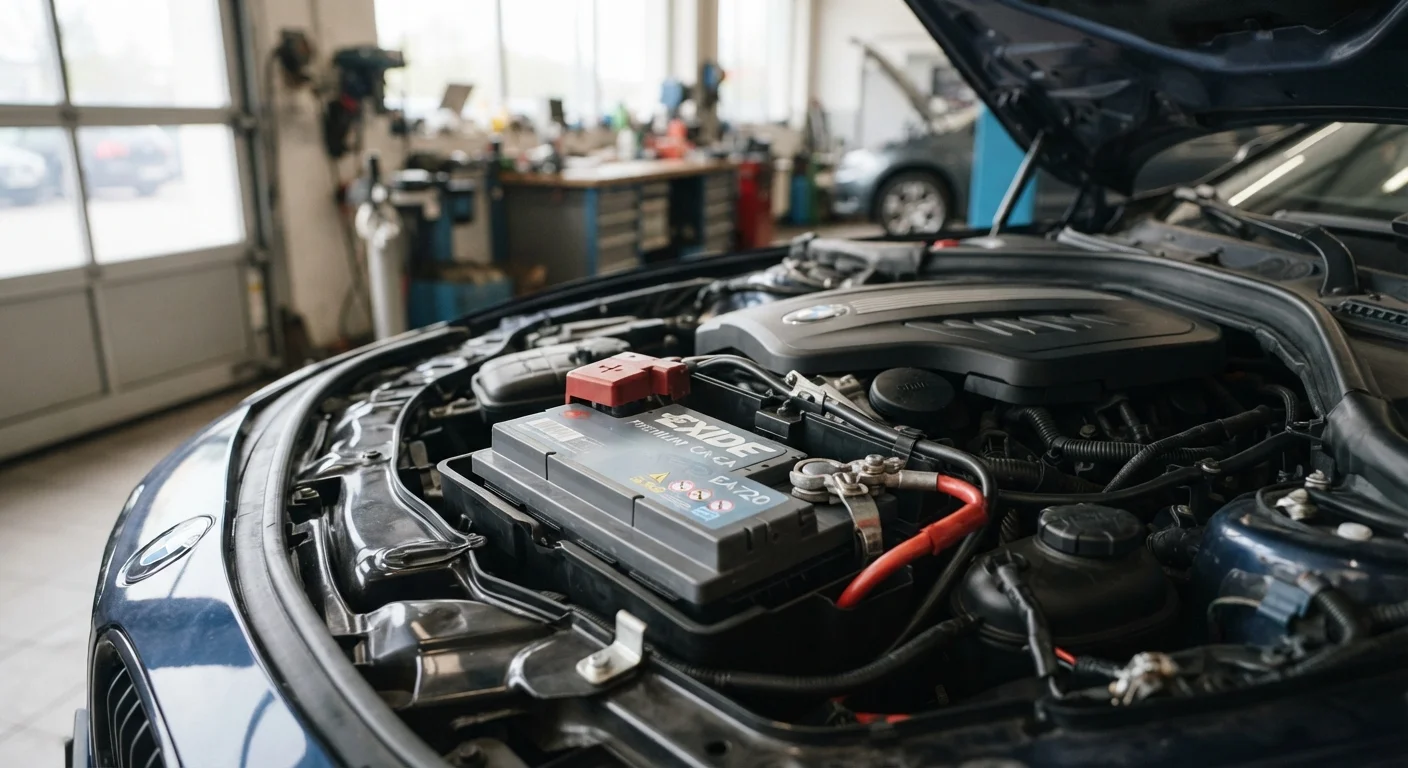
Photo credit: PrimeReads.net | Discover Insightful And Creative Blogs
In this article
Most drivers only think about their battery when the car won't start. Learn the warning signs, typical lifespans, and how temperature plays a role.
Key Takeaways
- Most car batteries last between 3 and 5 years under typical driving conditions.
- Extreme heat degrades batteries faster than extreme cold - though cold reveals existing weakness.
- A fully charged, healthy 12V battery should read between 12.6V and 12.8V at rest.
- Short trips and infrequent driving are among the most common causes of premature battery failure.
- Warning signs include slow engine cranking, dimming lights, and a battery warning light on the dashboard.
The Voltage Numbers That Actually Matter
Most drivers never check their battery voltage until something goes wrong. Understanding a few basic numbers can help you stay ahead of trouble.
A fully charged 12-volt lead-acid battery - the type found in the vast majority of passenger vehicles - should read between 12.6V and 12.8V when the car is off and has rested for at least an hour. This resting voltage, also called open-circuit voltage, gives a reliable snapshot of charge state.
- 12.6V-12.8V: Fully charged and healthy
- 12.4V-12.6V: Partially discharged - worth investigating
- 12.0V-12.4V: Significantly discharged
- Below 12V: Deeply discharged; possible permanent damage
Voltage alone, however, doesn't tell the whole story. A battery can read 12.6V at rest but fail the moment it faces the load of starting the engine. That's why mechanics use load tests or conductance tests - both of which evaluate performance under real-world demand, not just idle state.
3-5 years
Typical car battery lifespan
Industry guidance consistently places average lead-acid battery life in the 3-to-5-year range, with climate and usage pattern being the primary variables.
~50%
Reduction in cold-weather cranking power
At 0°F, a lead-acid battery may deliver only about half its rated cranking amps compared to performance at 80°F, according to battery industry technical data.
12.6V
Minimum resting voltage for a healthy battery
A fully charged 12V battery at rest should read at least 12.6 volts; readings below this threshold indicate partial or full discharge.
Why Batteries Fail: Heat, Cold, and Driving Patterns
Battery failure rarely happens without warning - it builds over time, and two environmental factors play the biggest roles: temperature and how the vehicle is actually used.
Heat Is the Silent Killer
Contrary to popular belief, extreme heat does more long-term damage to batteries than freezing temperatures. High ambient temperatures accelerate the chemical reactions inside the battery, causing fluid evaporation and plate corrosion that permanently reduce capacity. Drivers in hot-weather states often find their batteries need replacement closer to the 3-year mark. See our seasonal vehicle care guide for how temperature extremes affect other systems too.
Cold Exposes What Heat Created
Winter doesn't cause battery failure so much as reveal it. Cold temperatures reduce a battery's available cranking power - sometimes by half - which is why a battery that seemed fine in October might refuse to start the car in January. If your engine is noticeably slow to crank on cold mornings, treat it as a red flag, not a quirk.
Short Trips and Infrequent Driving
Every engine start draws a significant charge from the battery. The alternator replenishes that charge while the engine runs - but only if the trip is long enough. Frequent short trips (under 10-15 minutes) can prevent full recharging over time, gradually draining battery capacity. Vehicles that sit unused for weeks face the same problem: slow self-discharge without recovery.
Warning Signs Worth Taking Seriously
Car batteries typically give advance notice before they quit. Recognizing the signs early is the difference between a planned replacement and a roadside emergency.
- Slow engine cranking: The starter motor turns the engine over sluggishly or hesitates before catching. This is one of the clearest signs of reduced battery capacity.
- Dimming headlights or interior lights: Especially noticeable at idle or when multiple electrical systems run simultaneously.
- Battery warning light: This light monitors the charging system - it can indicate a battery issue, an alternator problem, or both.
- Frequent need for jump-starts: A battery that needs jump-starting more than once is not recovering properly and should be tested or replaced.
- Swollen or misshapen battery case: Usually caused by excessive heat exposure. A visibly bloated battery should be replaced promptly - do not attempt to service it yourself.
- Corrosion on terminals: A white or bluish crust around the battery terminals can increase electrical resistance and impair performance. Keeping terminals clean is part of basic battery care.
If your vehicle is showing multiple of these signs, it's worth having the battery tested. Many auto parts stores offer free battery testing. For context on how these symptoms relate to broader vehicle health, see our guide to warning signs your car is overdue for service.
How to Extend Battery Life and Plan Ahead
No battery lasts forever, but some basic habits meaningfully extend service life and reduce the chance of an inconvenient failure.
- Drive regularly and long enough: Aim for trips of at least 20-30 minutes to allow the alternator to fully recharge the battery after starting.
- Limit electrical load at idle: Running high-draw accessories - heated seats, rear defogger, charging devices - while idling puts more demand on the battery with less alternator support.
- Keep terminals clean and tight: Corrosion and loose connections reduce charging efficiency and can create enough resistance to prevent starting entirely.
- Test annually after year three: A proactive test at a shop or auto parts store can catch a weakening battery before it fails in an inconvenient situation.
- Use a trickle charger for stored vehicles: If you're not driving a vehicle for several weeks, a maintenance charger keeps the battery at a healthy charge level without overcharging it.
Tracking when your battery was last replaced is a simple but often overlooked part of vehicle ownership. If you don't know the battery's age, check for a date sticker on the top or side of the battery case - most manufacturers stamp or label the install date. Building this into a broader vehicle service record makes it easy to plan ahead rather than react to failure.
This article provides general educational information about vehicle batteries and is not a substitute for inspection or advice from a qualified mechanic. Battery replacement and testing around high-voltage hybrid or electric vehicle systems should always be performed by a certified technician.
Frequently Asked Questions

Author
Cars Editorial Team
Cars Editorial Team is the collective byline for our editorial team and contributor network. Articles published under this byline or an editorial pen name are researched, written, and reviewed according to our editorial standards for clarity, consistency, and independence before publication.
View all articles →