
Air Filters: Cabin vs. Engine, and the Real Impact of Neglecting Them
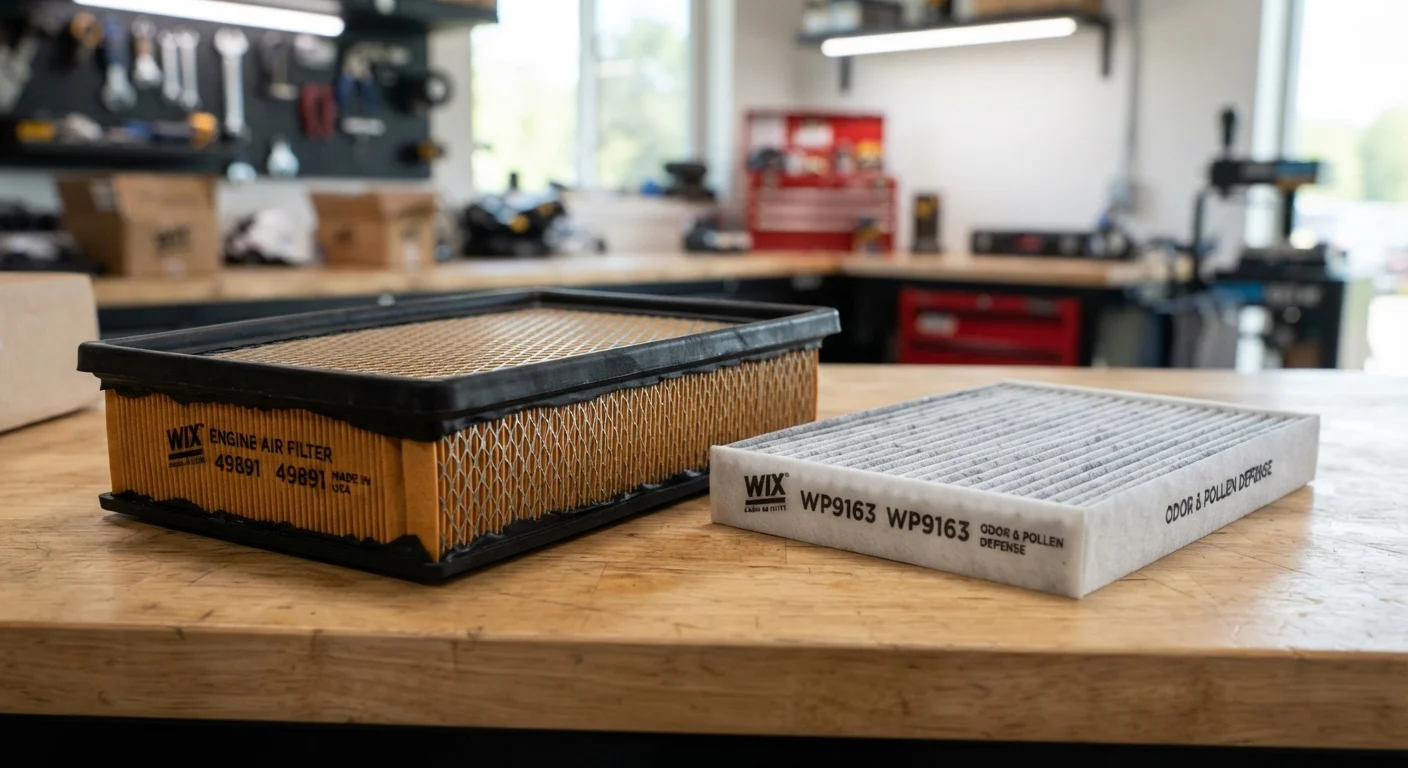
Photo credit: PrimeReads.net | Discover Insightful And Creative Blogs
In this article
Your car has two air filters doing very different jobs. Understand what each protects, how often they need attention, and what happens without it.
Key Takeaways
- Cabin and engine air filters serve completely different purposes and are not interchangeable.
- A clogged engine air filter can reduce fuel efficiency and strain the engine over time.
- A dirty cabin filter degrades interior air quality and can reduce HVAC airflow noticeably.
- Most manufacturers recommend replacing each filter every 12,000-25,000 miles, but dusty conditions shorten that interval.
- Both filters are among the more affordable and accessible maintenance items on most vehicles.
What Each Filter Actually Does
Most drivers know their car has an air filter - fewer realize it has two, each doing a distinct job. Understanding the difference is the first step toward maintaining both properly.
The engine air filter sits in the air intake system and screens the air flowing into the engine before combustion. Engines are precise machines: they require a specific ratio of air to fuel, and that incoming air must be free of debris, dust, and particulates that would damage internal components like cylinders, pistons, and valves. A clogged or dirty engine filter restricts airflow and disrupts that ratio.
The cabin air filter - often located behind the glove box or under the dashboard - cleans the air that enters the passenger compartment through the ventilation system. It captures pollen, dust, mold spores, exhaust particles, and other airborne contaminants before they reach the people inside the vehicle. It has no effect on the engine whatsoever.
These two filters work in parallel but independently. Replacing one does not address the condition of the other.
| Criterion | Cabin Air Filter | Engine Air Filter |
|---|---|---|
| Primary purpose | Cleans air entering the passenger cabin | Cleans air entering the engine intake |
| What it protects | Occupant health and HVAC system | Engine internals and combustion efficiency |
| Typical replacement interval | 12,000-15,000 miles | 15,000-30,000 miles |
| Common location | Behind glove box or under dashboard | Engine bay air intake housing |
| Signs of neglect | Weak airflow, musty smell, poor HVAC output | Reduced fuel economy, sluggish acceleration |
| Impact if skipped | Degraded air quality, allergen exposure | Engine strain, potential internal wear |
The Real Cost of Neglecting Each Filter
Both filters do their jobs silently - which means their degradation tends to go unnoticed until the effects become obvious.
Engine Air Filter Neglect
When the engine air filter becomes heavily restricted, the engine has to work harder to draw in enough air. This can result in reduced fuel economy, sluggish acceleration, and in severe cases, rough idling or engine hesitation. Over extended neglect, contaminants that bypass a damaged or overstuffed filter can cause premature wear to engine internals - a far more expensive problem than a replacement filter.
Fuel economy impacts vary by vehicle and driving pattern, but the underlying mechanism is consistent: a restricted intake means the engine isn't operating at its designed efficiency. As part of any long-term maintenance routine, air filter checks should be treated as non-negotiable.
Cabin Air Filter Neglect
A clogged cabin filter reduces the volume of air your HVAC system can push through the vents - meaning weaker airflow from your heater and AC, regardless of the fan speed setting. Beyond comfort, a degraded filter lets more particulates, allergens, and pollutants into the cabin. For passengers with asthma, hay fever, or other respiratory conditions, this matters meaningfully. Mold and bacteria can also accumulate in a saturated cabin filter, contributing to unpleasant odors. Seasonal transitions - particularly spring - are good natural checkpoints given elevated pollen levels.
Up to 10%
Potential fuel economy reduction from a clogged engine air filter
The U.S. Department of Energy has noted that replacing a clogged air filter on older carbureted engines improved fuel economy measurably; modern fuel-injected engines manage the ratio differently, but airflow restriction still affects overall efficiency.
15,000 mi
Typical cabin air filter replacement interval
Most manufacturer guidelines recommend inspection or replacement around this mileage mark, though dusty or high-pollen environments can require more frequent attention.
2-in-1
Filters working independently in every car
Cabin and engine air filters operate on separate systems - replacing one has no effect on the condition or performance of the other.
How Often to Replace Each - and How to Tell When It's Time
General replacement intervals appear in most owner's manuals, but real-world conditions vary significantly. Drivers in dusty rural areas, high-traffic cities, or regions with heavy pollen seasons will typically need to replace filters more frequently than the standard schedule suggests.
Engine air filter: Commonly recommended every 15,000-30,000 miles under normal driving conditions. Visual inspection is straightforward - a new filter is light-colored and clean; a filter due for replacement is gray or brown, compacted with debris, or visibly damaged.
Cabin air filter: Typically recommended every 12,000-15,000 miles, though many manufacturers suggest annual inspection regardless of mileage. Signs it needs replacing include reduced airflow from vents, musty or stale smells when the HVAC runs, or visible discoloration and debris on the filter itself.
It's worth noting that some maintenance myths inflate these costs unnecessarily. The persistence of outdated service recommendations can push drivers to replace filters more often than needed - your owner's manual remains the most reliable reference for your specific vehicle.
Both filters are generally accessible to check without special tools on most vehicles. If you're unsure about accessing either filter housing safely, a qualified mechanic can inspect both during any routine service visit.
Check Your Owner's Manual First
Replacement intervals vary meaningfully between vehicle makes, models, and model years. The intervals cited here reflect common general guidance, not a universal standard. Your owner's manual contains the manufacturer's specific recommendation for your vehicle. When in doubt, a qualified mechanic can inspect both filters during routine service and give you an honest assessment of their condition.

Author
Cars Editorial Team
Cars Editorial Team is the collective byline for our editorial team and contributor network. Articles published under this byline or an editorial pen name are researched, written, and reviewed according to our editorial standards for clarity, consistency, and independence before publication.
View all articles →