
Planning Your First International Trip: A Ground-Up Guide
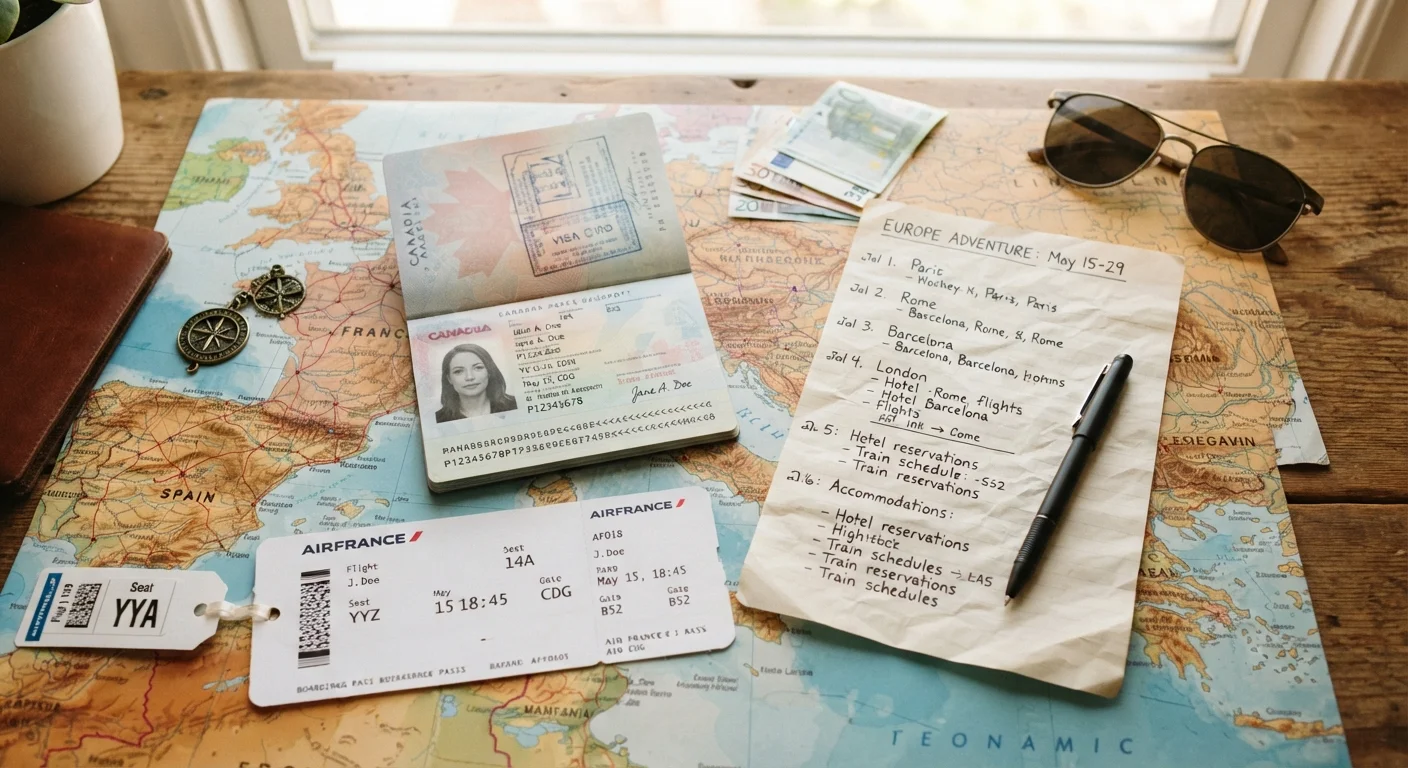
Photo credit: PrimeReads.net | Discover Insightful And Creative Blogs
In this article
Never travelled abroad before? This guide walks you through passports, visas, budgeting, and itineraries in plain, practical terms.
Key Takeaways
- A valid passport is your most critical document - apply or renew at least six months before departure.
- Visa requirements vary widely by destination; always check official government sources before booking.
- Setting a realistic budget early helps you choose destinations that match your financial situation.
- A flexible but structured itinerary reduces stress without eliminating spontaneity.
- Travel insurance and health precautions are essential steps, not optional add-ons.
- Verify all entry and health requirements close to your departure date, as rules can change.
Getting Your Documents in Order
Before you research flights or dream about destinations, confirm that your foundational documents are valid and in place. For U.S. citizens, that means your passport first.
Your passport must typically be valid for at least six months beyond your travel return date - many countries enforce this rule strictly and will deny boarding if you fall short. If your passport is expired, expiring soon, or you've never had one, apply as early as possible. Routine processing times fluctuate and can extend significantly during busy travel seasons.
Once your passport situation is resolved, research visa requirements for your destination. Visa rules depend on your nationality, the country you're visiting, your purpose of travel, and your planned length of stay. The U.S. State Department's travel website and the destination country's official embassy site are the authoritative sources - not travel blogs or booking platforms. Some countries offer visa-free entry or e-visas you can obtain online; others require an application weeks or months in advance.
For a thorough pre-departure document checklist, see our guide to international trip preparation.
Make Copies of Critical Documents
Before you travel, make both digital and physical copies of your passport photo page, visa, travel insurance policy, and accommodation confirmations. Store digital copies in a secure cloud location and leave physical copies with a trusted contact at home. If your passport is lost or stolen abroad, having these copies significantly speeds up the replacement process at the nearest U.S. embassy or consulate.
Choosing a Destination and Setting a Budget
First-time international travelers often underestimate how much destination choice shapes the entire experience. Consider factors like language barriers, cultural familiarity, entry requirements, flight duration, and - critically - cost of living at your destination.
Build your budget around five core categories: flights, accommodation, daily food and transport, activities and entry fees, and a contingency reserve. Research average daily traveler costs for your shortlisted destinations using government tourism resources and reputable travel publications. A destination with lower daily costs can offset a higher flight price, and vice versa.
Flight pricing is dynamic and varies based on departure city, seasonality, booking timing, and route. Rather than chasing a specific price, identify a realistic price range for your route and plan your budget around it. Flexibility on travel dates - particularly avoiding major U.S. and destination-country holidays - can widen your options considerably.
Our travel hacks hub covers practical strategies for managing costs without compromising the quality of your experience. For broader destination inspiration, browse our destination guides.
Building Your Itinerary
A good itinerary for a first international trip strikes a balance: structured enough to ensure you see what you came for, flexible enough to accommodate delays, fatigue, and spontaneous discoveries.
Start with anchor points - your flights, any non-refundable accommodation bookings, and must-see experiences. Build everything else around them loosely. Over-scheduling is one of the most common first-trip mistakes; jet lag, slower-than-expected transit times, and simply wanting to linger somewhere longer can derail a back-to-back itinerary quickly.
- Research opening hours and booking requirements for popular attractions in advance. Many museums, national parks, and heritage sites now require timed entry reservations.
- Plan for transit time realistically. Getting between locations in an unfamiliar city almost always takes longer than a map app suggests.
- Build in at least one unscheduled half-day per three to four days of travel as a buffer and recovery window.
For a deeper look at how each stage of trip planning fits together, see The Anatomy of a Well-Planned Trip.
Visa
An official authorization - usually stamped or attached to your passport - that allows you to enter, stay in, or transit through a foreign country for a specific purpose and duration.
Passport validity rule
Many countries require your passport to remain valid for at least six months beyond your planned departure date from their country, even if your stay is much shorter.
Travel insurance
A policy that can reimburse or cover costs from unexpected events during your trip, such as medical emergencies, trip cancellations, lost luggage, or evacuation needs.
Itinerary
A planned schedule of your trip, including travel dates, destinations, accommodation, and activities, used as a reference throughout your journey.
E-visa
An electronic visa obtained online before travel, rather than through a physical embassy application. It is linked digitally to your passport rather than appearing as a physical stamp.
Contingency budget
A reserved portion of your travel budget - typically 10-15% of your total estimate - set aside to cover unexpected costs such as delays, medical needs, or unplanned expenses.
Health, Safety, and Final Preparations
Health and safety preparation is not optional for international travel - it is a core part of responsible trip planning. Start with a visit to your healthcare provider several weeks before departure to discuss destination-specific health risks, recommended or required vaccinations, and any prescription medications you may need. The CDC's Travelers' Health resource provides country-specific health guidance as a starting reference.
Travel insurance is a practical necessity for international trips, not a luxury. A single overseas medical emergency can generate costs that dwarf the price of your entire trip. Evaluate policies based on medical coverage limits, evacuation coverage, trip cancellation terms, and baggage protection. Read the policy document carefully before purchasing.
In the final week before departure, run through a practical verification checklist: confirm your passport validity, check that any required visas are correctly issued, review your accommodation confirmations, notify your bank of travel dates, download offline maps for your destination, and save emergency contact numbers - including the nearest U.S. embassy or consulate.
For a comprehensive pre-departure walkthrough, see what to verify before travelling internationally. If your plans involve a multi-leg or complex route, our long-haul trip planning guide addresses the additional logistics involved.
This article provides general travel information and education only. Entry requirements, health rules, and travel advisories can change. Always verify current requirements with official government sources, your healthcare provider, and your airline or carrier before travelling.
Frequently Asked Questions

Author
Travel Editorial Team
Travel Editorial Team is the collective byline for our editorial team and contributor network. Articles published under this byline or an editorial pen name are researched, written, and reviewed according to our editorial standards for clarity, consistency, and independence before publication.
View all articles →