
Tyre Maintenance: The Safety Basics Every Driver Should Know
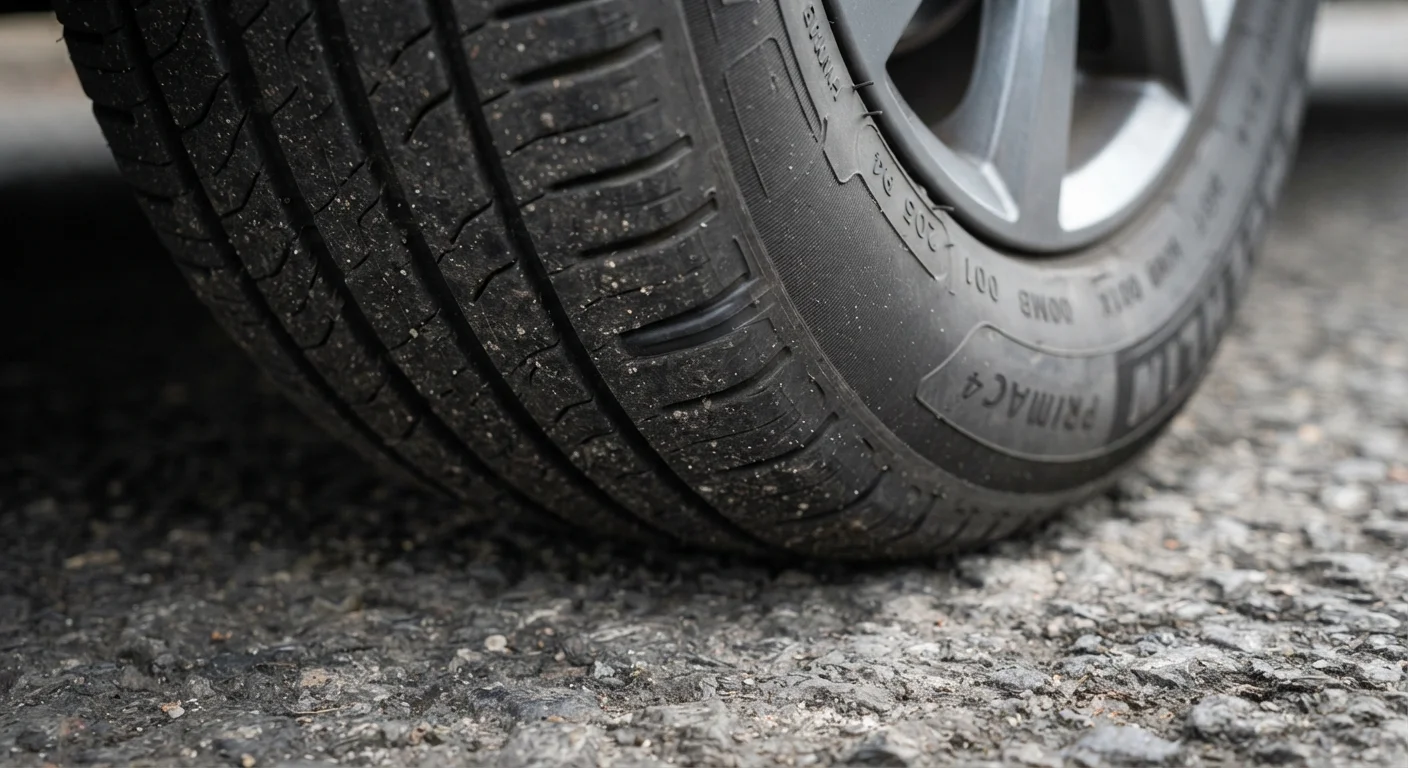
Photo credit: PrimeReads.net | Discover Insightful And Creative Blogs
In this article
Tyres are your vehicle's only contact with the road. Understand tread depth, pressure, rotation, and when worn tyres need professional attention.
Key Takeaways
- Tread depth below 4/32" significantly reduces wet-road braking performance.
- Tyre pressure should be checked monthly - not just when a light comes on.
- Rotating tyres every 5,000-7,500 miles helps them wear evenly and last longer.
- Sidewall damage, bulges, or cracking require immediate professional inspection.
- Age matters: tyres older than six years should be evaluated even if tread looks adequate.
- Proper tyre care reduces the likelihood of dangerous blowouts and improves fuel economy.
Why Tyres Deserve More Attention Than They Usually Get
Most drivers think about tyres only when something goes wrong - a flat, a warning light, or a mechanic flagging an issue during an oil change. That reactive approach is understandable, but it misses the bigger picture. Tyres govern how quickly your vehicle stops, how reliably it holds a line through a corner, and how it behaves when the road is wet or slippery.
The physics of a skid or slide are directly influenced by how much usable rubber is contacting the road. A tyre with worn tread simply cannot channel water away from the contact patch as effectively, which is why stopping distances increase sharply as tread wears down. Understanding a handful of maintenance basics puts you in a better position to catch problems early - and to make informed decisions when a shop tells you it's time to replace.
Tread Depth: What the Numbers Actually Mean
Tread depth is measured in 32nds of an inch. New tyres typically start between 10/32" and 11/32". The legal minimum in most US states is 2/32", but that number is a floor, not a target. At 2/32", wet-road performance is already substantially compromised. Safety researchers and tyre engineers generally recommend replacing tyres at 4/32" to maintain meaningful traction in rain.
The simplest field check is the quarter test: insert a US quarter into a tread groove with Washington's head pointing down. If you can see the top of his head, tread is at or below 4/32" and replacement should be on your near-term agenda. For a rougher check, a penny works for the 2/32" threshold.
Look for uneven wear patterns too - excessive wear on the centre suggests chronic overinflation, while wear on both edges points to persistent underinflation. Wear on one shoulder often indicates an alignment problem. These patterns are clues, not just cosmetic concerns.
4/32"
Recommended minimum tread depth for wet-road safety
Independent tyre safety research consistently shows braking distances on wet roads increase significantly below this threshold, well before the 2/32" legal minimum.
~11,000
Tyre-related crashes reported annually in the US
According to the National Highway Traffic Safety Administration (NHTSA), tyre-related factors contribute to thousands of crashes each year, many linked to worn tread or improper inflation.
25%
Pressure drop threshold that triggers TPMS warning
The US federal TPMS mandate requires the system to alert drivers when any tyre is 25% or more below the recommended pressure - meaning handling can already be affected before the light appears.
Tyre Pressure: More Than a Light on Your Dashboard
Your vehicle's tyre pressure monitoring system (TPMS) is a helpful safety net, but it typically triggers only when pressure drops roughly 25% below the recommended level - by which point handling and wear are already affected. Monthly checks with a basic gauge give you a much earlier read on what's actually happening.
The correct pressure for your vehicle is on a sticker inside the driver's door jamb, or in the owner's manual. It is not the maximum pressure embossed on the tyre sidewall - that figure is the tyre's structural limit, not the operating recommendation for your car. Always check pressure when tyres are cold (driven less than a mile), because heat from driving expands air and produces a temporarily elevated reading.
For a deeper look at what correct pressure does for handling and tread life, see our article on tyre pressure and its effects beyond fuel economy.
Rotation, Age, and Knowing When to Replace
Rotation moves tyres between positions on the vehicle to even out wear. Front tyres on front-wheel-drive vehicles carry more load and wear faster; rotating them to the rear and vice versa extends the usable life of the full set. A common interval is every 5,000-7,500 miles, though your owner's manual is the authoritative guide. Rotation, balancing, and alignment address different problems - understanding the distinction helps you ask the right questions at a shop.
Age is a factor many owners overlook entirely. Rubber oxidizes and loses elasticity over time, even if the tyre looks fine and has plenty of tread. Most manufacturers suggest professional inspection at six years and replacement by ten years. Find the manufacture date using the four-digit DOT code on the sidewall: the first two digits are the week, the last two are the year (e.g., 2319 means the 23rd week of 2019).
Visible sidewall bulges, deep cracking, or any sign of cord exposure require immediate professional attention. These are not borderline cases - they represent structural failure that can lead to sudden blowouts, particularly at highway speeds.
Check Tyre Age Before Buying a Used Vehicle
When evaluating a used car, always locate the four-digit DOT date code on each tyre's sidewall. Tyres older than six years should be inspected by a professional regardless of tread depth. Factor potential tyre replacement into your cost assessment - a set of four tyres can be a significant near-term expense if the vehicle's current tyres are approaching their age limit.
Building Tyre Care Into Your Routine
The most effective tyre maintenance isn't complicated - it's consistent. A monthly pressure check, a visual inspection each time you walk to your car, and following your rotation schedule covers the majority of what keeps tyres safe and functional. Log each rotation and replacement in a vehicle service record; this history is useful for mechanics, resale, and warranty questions.
Tyre care also feeds directly into broader vehicle maintenance habits that reduce long-term costs. Tyres that are correctly inflated and rotated regularly simply last longer, and catching alignment issues early through uneven wear patterns can prevent suspension wear down the line. Think of tyre maintenance less as a discrete task and more as ongoing awareness - a habit that pays back in safety and savings.
Frequently Asked Questions

Author
Cars Editorial Team
Cars Editorial Team is the collective byline for our editorial team and contributor network. Articles published under this byline or an editorial pen name are researched, written, and reviewed according to our editorial standards for clarity, consistency, and independence before publication.
View all articles →