
Tyre Pressure and Why It Affects More Than Just Fuel Economy
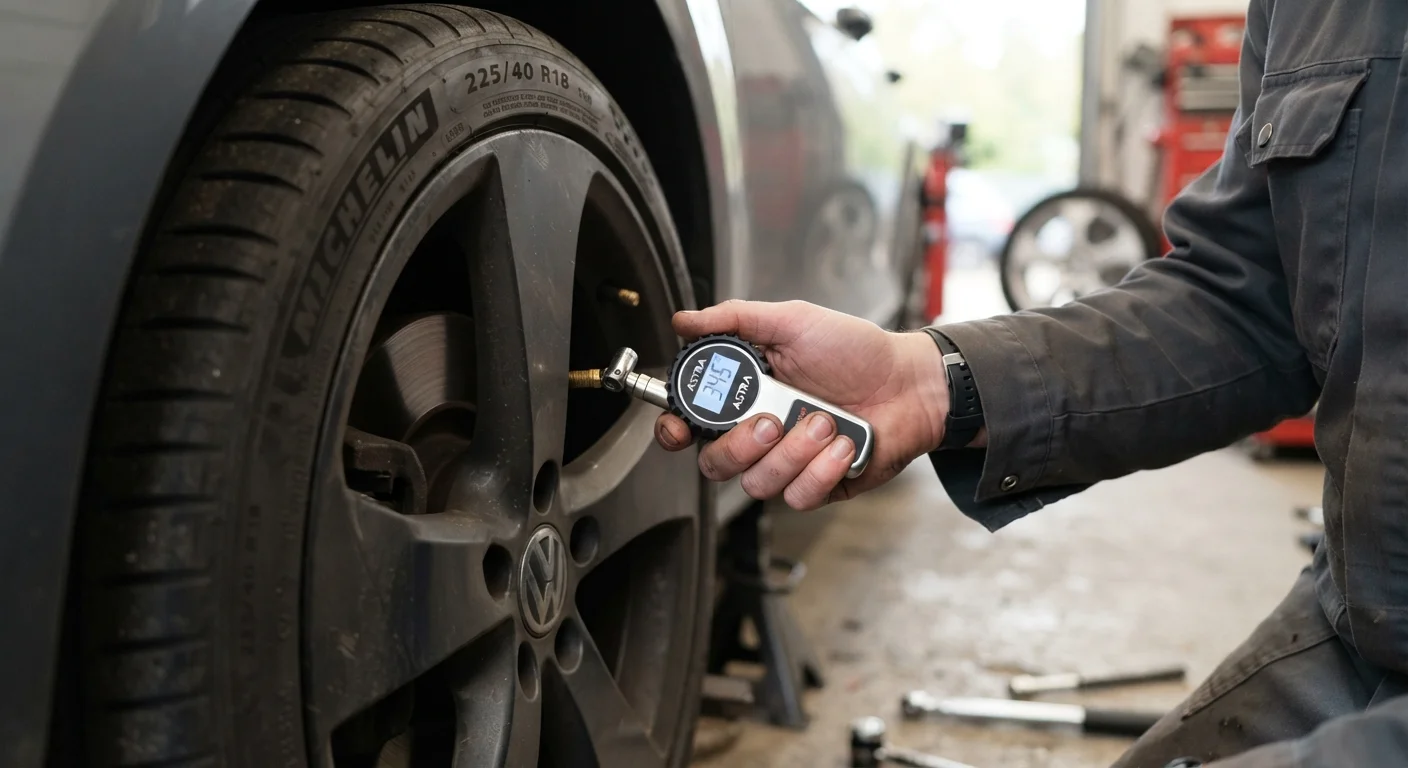
Photo credit: PrimeReads.net | Discover Insightful And Creative Blogs
In this article
Underinflated and overinflated tyres both carry hidden risks. Learn what correct tyre pressure does for safety, handling, and tread life.
Key Takeaways
- Incorrect tyre pressure affects safety, handling, and tread wear - not just fuel economy.
- Both underinflation and overinflation cause problems; neither extreme is the safer option.
- Your vehicle's recommended pressure is on the door jamb sticker, not the tyre sidewall.
- Check pressure monthly and before long highway trips, using a reliable gauge.
- Seasonal temperature swings routinely push tyres out of the correct pressure range.
The Actual Job Tyre Pressure Does
Tyres aren't just rubber wrapped around a wheel - they're load-bearing structures that rely on air pressure to function correctly. At the right PSI, a tyre maintains a specific footprint against the road surface, distributes the vehicle's weight evenly across the tread, and absorbs road irregularities in a controlled way. When pressure drifts outside that designed range, every one of those functions degrades.
Most drivers associate tyre pressure mainly with fuel economy, and there is a real connection: underinflated tyres increase rolling resistance, which means the engine works harder to move the car. But that's a secondary effect. The primary consequences of incorrect pressure are about safety and tyre longevity, and they're worth understanding separately from the fuel savings angle.
For a broader look at how tyre care fits together, see tyre maintenance safety basics - it covers tread depth, rotation, and when tyres need professional attention.
What Underinflation Actually Does to a Tyre
An underinflated tyre flexes more than it should with every rotation. That extra flex generates heat - and sustained heat is the primary cause of tyre structural failure. On highway runs at speed, a significantly underinflated tyre can reach temperatures that weaken the internal construction, increasing the risk of a blowout.
Beyond blowout risk, the contact patch - the area of tyre touching the road - changes shape when pressure is too low. Instead of even contact across the tread width, the edges of the tyre bear more load than the center. This causes the outer edges to wear faster, shortening overall tyre life and creating uneven grip characteristics.
Handling is also affected. A soft tyre responds more sluggishly to steering input, and braking distances can increase because the tyre's geometry no longer matches what the vehicle's suspension was calibrated for. This matters most in emergency maneuvers, where every fraction of a second counts.
~1 PSI
Pressure lost per 10°F temperature drop
This is a widely cited rule of thumb from tyre industry and vehicle safety organizations for understanding seasonal pressure drift.
25%
Below recommended PSI before TPMS activates
The U.S. TPMS mandate requires the system to warn when a tyre is 25% or more below the vehicle manufacturer's recommended inflation pressure.
~0.5%
Fuel economy loss per 1 PSI below recommended
The U.S. Department of Energy estimates fuel economy drops by roughly 0.5% for every 1 PSI deficit across all four tyres.
Why Overinflation Isn't the Safe Alternative
Some drivers inflate tyres slightly above the recommended level assuming a firmer tyre performs better. In practice, overinflation creates a different but equally real set of problems. An overinflated tyre becomes stiff and rides on a narrower central strip of the tread rather than the full tread width. This causes accelerated center-tread wear and reduces the tyre's ability to conform to uneven road surfaces.
With less tyre surface in contact with the road, grip is reduced - particularly on wet pavement where the tyre needs to channel water through its grooves. The ride also becomes noticeably harsher, transmitting more road shock to the suspension. And a rigidly overinflated tyre is more vulnerable to impact damage from potholes or debris because it has less ability to absorb the blow before the force reaches the internal structure.
The pressure rating printed on the sidewall of a tyre is a maximum structural limit, not a target. Your vehicle's recommended range - found on the door jamb sticker - is what actually matters for daily driving.
Temperature, Seasons, and Pressure Drift
Tyre pressure isn't static. Air expands when heated and contracts when cooled, which means pressure fluctuates with ambient temperature throughout the year. A tyre correctly inflated at 35 PSI on a warm September afternoon might read 31-32 PSI on a cold January morning - without any slow leak or damage involved.
This seasonal drift is why monthly checks matter even for drivers who haven't noticed any obvious pressure loss. Winter months particularly catch drivers off guard: pressure drops gradually as temperatures fall, staying below threshold without triggering obvious symptoms until handling or wear issues develop.
Check Pressure Before Highway Trips
Always verify tyre pressure before a long highway drive, not after. Once a tyre is up to highway temperature, the pressure reading is elevated and won't accurately reflect the cold-start condition. Checking cold gives you the most reliable baseline to compare against the door jamb specification.
Before long highway trips, underinflation is especially consequential. Sustained high-speed driving generates more heat in tyres than urban stop-and-go driving, and a tyre that starts a trip already low on pressure has less margin before heat buildup becomes dangerous. This connects directly to motorway driving risks that many drivers underestimate.
Checking Pressure Correctly and Often Enough
A quality dial or digital gauge is a worthwhile tool to keep in the glovebox - the gauges built into air compressor hoses at gas stations vary in accuracy. Check all four tyres (and the spare, if accessible) when the tyres are cold, meaning the vehicle hasn't been driven for at least three hours or has traveled less than a mile. Heat from driving temporarily inflates readings.
Match what you find against the door jamb sticker, not the tyre sidewall maximum. If a tyre is consistently losing pressure faster than the others, that's worth investigating - it may indicate a slow leak, a faulty valve stem, or rim damage that a tyre shop can assess. For context on how pressure checks fit alongside other tyre services, tyre rotation, balancing, and alignment covers what each service actually addresses.
Drivers who want to avoid broader vehicle ownership surprises may also find it useful to revisit persistent car maintenance myths - tyre care assumptions are among the most common sources of avoidable expense.
Frequently Asked Questions

Author
Cars Editorial Team
Cars Editorial Team is the collective byline for our editorial team and contributor network. Articles published under this byline or an editorial pen name are researched, written, and reviewed according to our editorial standards for clarity, consistency, and independence before publication.
View all articles →