
Skids, Slides, and Loss of Control: Understanding What's Happening to Your Car
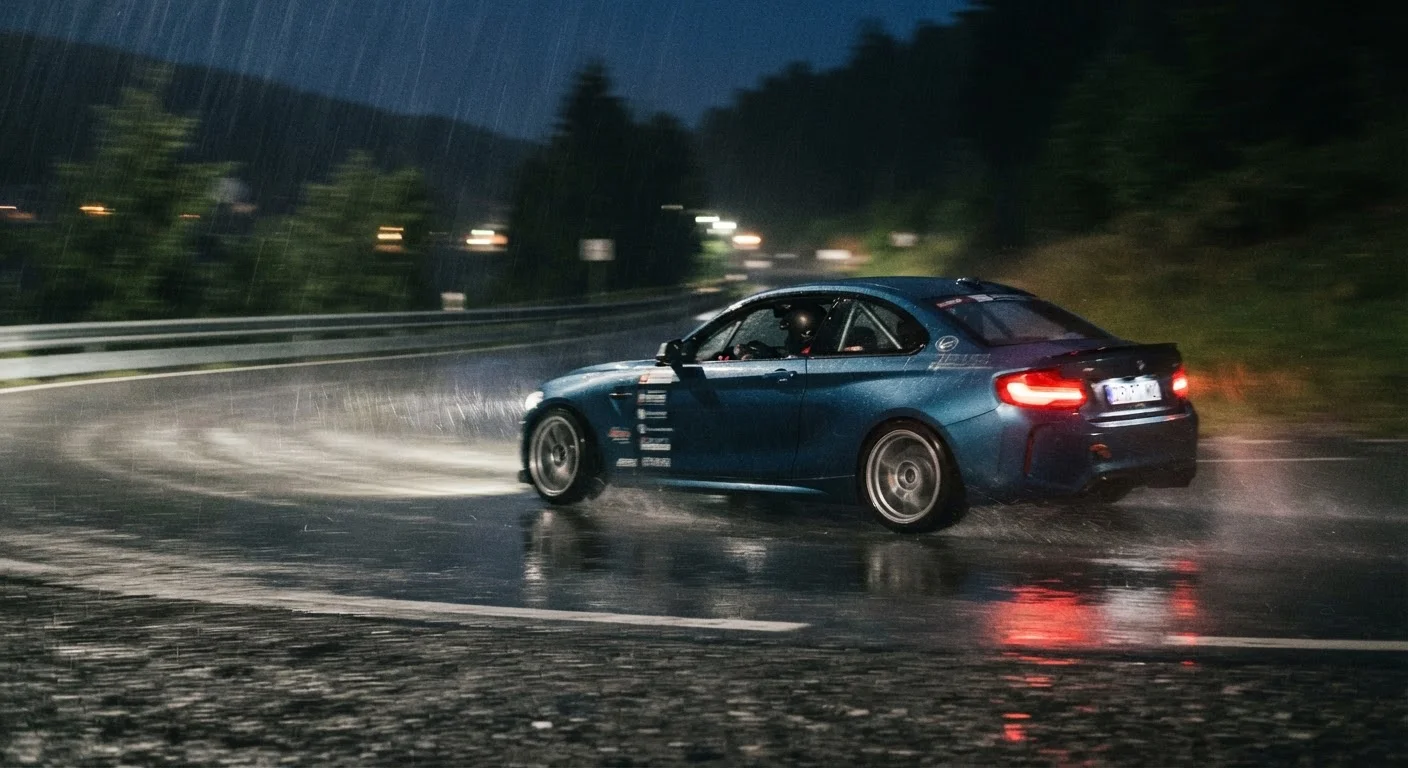
Photo credit: PrimeReads.net | Discover Insightful And Creative Blogs
In this article
Understanding the physics of a skid can help you respond correctly rather than panic. This explainer covers understeer, oversteer, and how to recover safely.
Key Takeaways
- Skids fall into two main categories: understeer (front loses grip) and oversteer (rear loses grip).
- The instinctive response - slamming the brakes - usually makes a skid worse.
- Worn tyres significantly increase skid risk; tread depth and inflation matter.
- Modern vehicles with electronic stability control can help, but cannot override physics entirely.
- Looking where you want the car to go helps your hands naturally steer toward recovery.
Why Skids Feel So Disorienting
When a car begins to slide, most drivers experience a split-second freeze. The vehicle is no longer responding to the steering wheel the way it always has, and every instinct tends to push toward the wrong reaction. Understanding what is physically happening during those few seconds makes it far easier to respond usefully rather than panic.
A skid is not random. It follows predictable physics: tyres can only handle a finite amount of force at any given moment. When braking, cornering, and acceleration demands combine to exceed that limit - especially on a slippery surface - the tyre stops rolling cleanly and starts sliding. At that point, conventional steering control diminishes sharply.
Speed, surface condition, and tyre health all interact. A well-maintained set of tyres on dry pavement offers a large margin before traction breaks down. The same car on wet asphalt or black ice has a fraction of that margin. For a deeper look at how road surfaces change the driving equation, see how rain, ice, and fog affect vehicle control.
Understeer vs. Oversteer: Two Very Different Problems
Not all skids behave the same way, and identifying which type is happening matters for recovery.
Understeer: The Front Pushes Wide
Understeer occurs when the front tyres lose traction. The driver turns the wheel, but the car continues toward the outside of the corner rather than following the intended path. This is more common in front-wheel-drive vehicles and often happens when entering a corner too fast. The car simply has more momentum than the front tyres can redirect.
What helps: Ease off the accelerator smoothly - do not brake sharply. Reducing speed allows the front tyres to regain grip. Once they do, gentle steering toward the intended line becomes effective again.
Oversteer: The Rear Steps Out
Oversteer happens when the rear tyres lose grip, causing the back of the car to swing outward - what many drivers call a fishtail or spin. It is more common in rear-wheel-drive vehicles or during sudden, aggressive acceleration mid-corner. The sensation can be alarming because the car's direction changes rapidly.
What helps: Steer gently in the same direction the rear is sliding - sometimes called 'steering into the skid' - while easing off the accelerator. The goal is to realign the front and rear of the vehicle. Overcorrecting the steering or slamming the brakes typically triggers a spin in the opposite direction.
A Simple Rule for Both Skid Types
In both understeer and oversteer situations, the common thread is: smooth inputs win. Whether you're releasing the accelerator, gently steering into the slide, or easing brake pressure, abrupt movements almost always make the situation worse. Think of recovery as a gradual correction, not a sudden fix.
The Role of Modern Safety Systems
Most vehicles built in the past decade include electronic stability control (ESC), which has been mandatory on new US passenger vehicles since 2012. ESC uses sensors to detect when the vehicle's actual path diverges from the driver's intended path and responds by selectively braking individual wheels and reducing engine output to help correct the skid.
Research from the National Highway Traffic Safety Administration (NHTSA) has attributed significant reductions in single-vehicle crash fatalities to ESC. It is a genuinely useful system - but it operates within limits. At high speeds or on severely compromised surfaces, the physics will still win.
~33%
Reduction in single-vehicle fatal crashes
NHTSA research has associated electronic stability control with an estimated one-third reduction in single-vehicle fatal crash risk for passenger cars.
2012
Year ESC became mandatory on US new cars
The Federal Motor Vehicle Safety Standard requiring ESC on all new US passenger vehicles took effect for model year 2012.
Tyre condition is equally critical. ESC cannot compensate for tyres with insufficient tread depth or improper inflation; it depends on the tyre having some workable grip to begin with. Understanding tyre maintenance basics is one of the most straightforward ways to reduce skid risk before any emergency arises.
Recovery Habits That Actually Work
Several principles hold across most skid scenarios, regardless of vehicle type:
- Look where you want to go. Vision guides hand movements. Drivers who fixate on the hazard or the edge of the road tend to steer toward it. Actively shifting focus to the intended path helps the hands follow naturally.
- Avoid sharp, sudden inputs. Abrupt braking, aggressive steering, or rapid acceleration all shift weight and further stress already-compromised tyres. Smooth, deliberate inputs give the vehicle a better chance to recover.
- Give the tyres a chance to re-engage. Recovery often requires a brief release of braking or steering pressure before reapplying it with control. Holding a skid correction too long is as problematic as not correcting at all.
These are foundational defensive driving principles. Defensive driving habits build the mental framework that lets drivers apply them under pressure rather than defaulting to instinct.
ABS Changes the Brake Rule
If your vehicle is equipped with anti-lock brakes (ABS), you can apply firm, steady brake pressure during an emergency stop - the system pulses the brakes automatically to prevent wheel lock-up. Pumping ABS brakes manually actually reduces their effectiveness. Most vehicles built in the past two decades include ABS as standard equipment.
Practice on empty, low-speed environments - such as an empty parking lot in light rain - can make a real difference. Experiencing the sensation of traction loss in a controlled, low-stakes setting is one of the most effective ways to reduce panic when it happens on the road.
Frequently Asked Questions

Author
Cars Editorial Team
Cars Editorial Team is the collective byline for our editorial team and contributor network. Articles published under this byline or an editorial pen name are researched, written, and reviewed according to our editorial standards for clarity, consistency, and independence before publication.
View all articles →