
Keeping a Car in Good Shape: Maintenance Habits That Pay Off Long-Term
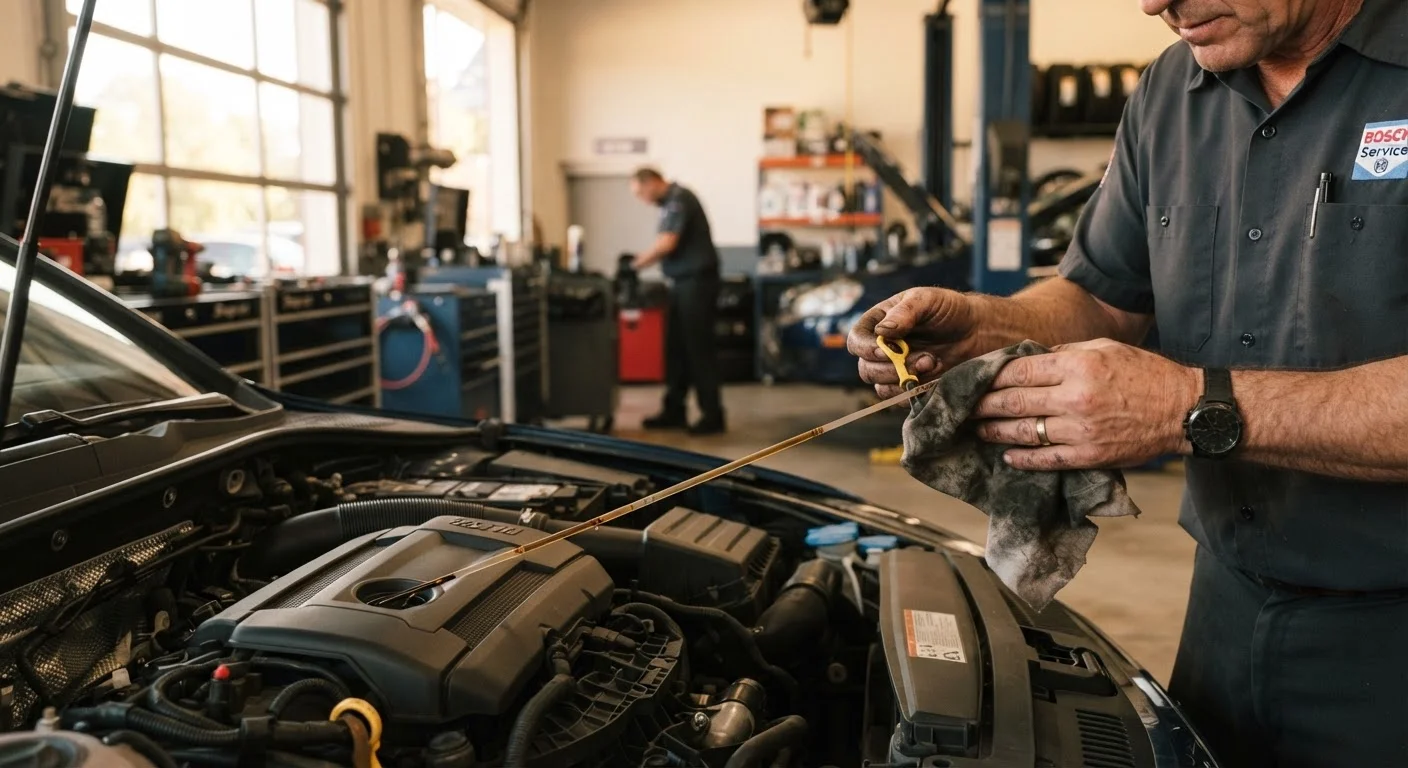
Photo credit: PrimeReads.net | Discover Insightful And Creative Blogs
In this article
Consistent, simple habits can extend your vehicle's life and reduce costly repairs. Here are the maintenance practices that make the biggest difference over time.
Key Takeaways
- Following your owner's manual service intervals is the single most reliable maintenance guide available.
- Tire pressure and tread depth checks take under five minutes and directly affect safety and fuel economy.
- Catching small issues early - like minor fluid leaks - consistently costs less than waiting for failure.
- A written service record protects resale value and helps mechanics diagnose problems faster.
- Many routine checks require no tools and can be done in your driveway in minutes.
Why Consistent Habits Beat One-Off Fixes
Most vehicles that reach 200,000 miles do so not because of luck or premium parts, but because their owners followed a predictable rhythm of care. A car is a collection of systems - engine, transmission, brakes, cooling, electrical - that degrade at different rates. The goal of maintenance isn't to chase problems as they appear; it's to stay ahead of them.
The financial logic is straightforward: a $15 cabin air filter replaced on schedule costs far less than a blower motor that burns out because of restricted airflow. Consistent habits also make it easier to spot anomalies - when you check your oil regularly, you'll notice faster if it's burning through it unusually quickly.
For a deeper look at which tasks you can handle yourself versus those that genuinely need a shop, see what you can reasonably do yourself vs. when to see a mechanic.
The Checks That Take Minutes but Matter Most
A handful of quick visual and physical checks - done monthly or before long trips - catch the majority of developing problems before they become expensive. None of these require special tools or mechanical knowledge.
- Tire pressure: Check cold pressure against the value on your driver's door jamb sticker (not the tire sidewall). Underinflated tires wear unevenly, reduce fuel economy, and increase blowout risk.
- Oil and coolant levels: Pull the dipstick with the engine off and cold. Coolant should sit between the min and max lines on the reservoir. Low coolant is never normal - it points to a leak or internal consumption.
- Lights: Walk around the car periodically. A burned brake light is invisible to the driver and a safety hazard to everyone behind you.
- Windshield wipers: Streaking or skipping blades are a sign they need replacement - don't wait until a rainstorm to find out.
Pairing these checks with a seasonal review is a practical way to stay consistent. Preparing your vehicle for changing conditions outlines what to prioritize as weather shifts.
Using Your Owner's Manual as Your Primary Guide
The owner's manual service schedule is the most underused maintenance resource most drivers own. Automakers engineer these intervals based on extensive testing of the specific engine, transmission, and fluids in your vehicle - they aren't generic suggestions.
Common service milestones typically include oil and filter changes, tire rotations, air filter replacements, spark plug inspection or replacement, transmission fluid, and brake fluid. The exact mileage and time intervals vary significantly by make, model, and engine type. Following the manual protects your vehicle and, in some cases, satisfies warranty requirements.
It's also worth understanding what each interval actually involves. Your car's maintenance schedule, explained breaks down what major service milestones mean in plain language.
One practical note: manufacturers often list both a mileage interval and a time interval (e.g., every 7,500 miles or 12 months). If you drive fewer miles than average, the time interval may trigger first - don't ignore it.
Why Your Service Record Is Worth Protecting
Every oil change, brake job, and fluid flush is more valuable documented than forgotten. A complete service history helps mechanics diagnose problems faster - if they can see that the transmission fluid was last changed at 45,000 miles, that's immediately useful context at 90,000 miles.
It also directly affects resale value. A vehicle with verifiable maintenance records consistently commands stronger buyer confidence than one with an undocumented history, regardless of condition. Keeping a vehicle service record covers exactly how to build and maintain one without it becoming a chore.
A simple folder with receipts, or a free notes app on your phone, is enough to get started. The habit matters more than the method.
Finally, be skeptical of car care advice that doesn't match what your owner's manual says. Some popular maintenance rules of thumb are outdated or were never accurate for modern vehicles. Persistent car maintenance myths that can cost you money separates the facts from the fiction so you're not spending money you don't need to.
This article provides general vehicle maintenance information for educational purposes. Always consult your vehicle's owner's manual and a qualified mechanic for guidance specific to your car.

Author
Cars Editorial Team
Cars Editorial Team is the collective byline for our editorial team and contributor network. Articles published under this byline or an editorial pen name are researched, written, and reviewed according to our editorial standards for clarity, consistency, and independence before publication.
View all articles →