
Keeping a Vehicle Service Record - and Why It Matters More Than Most Owners Realise
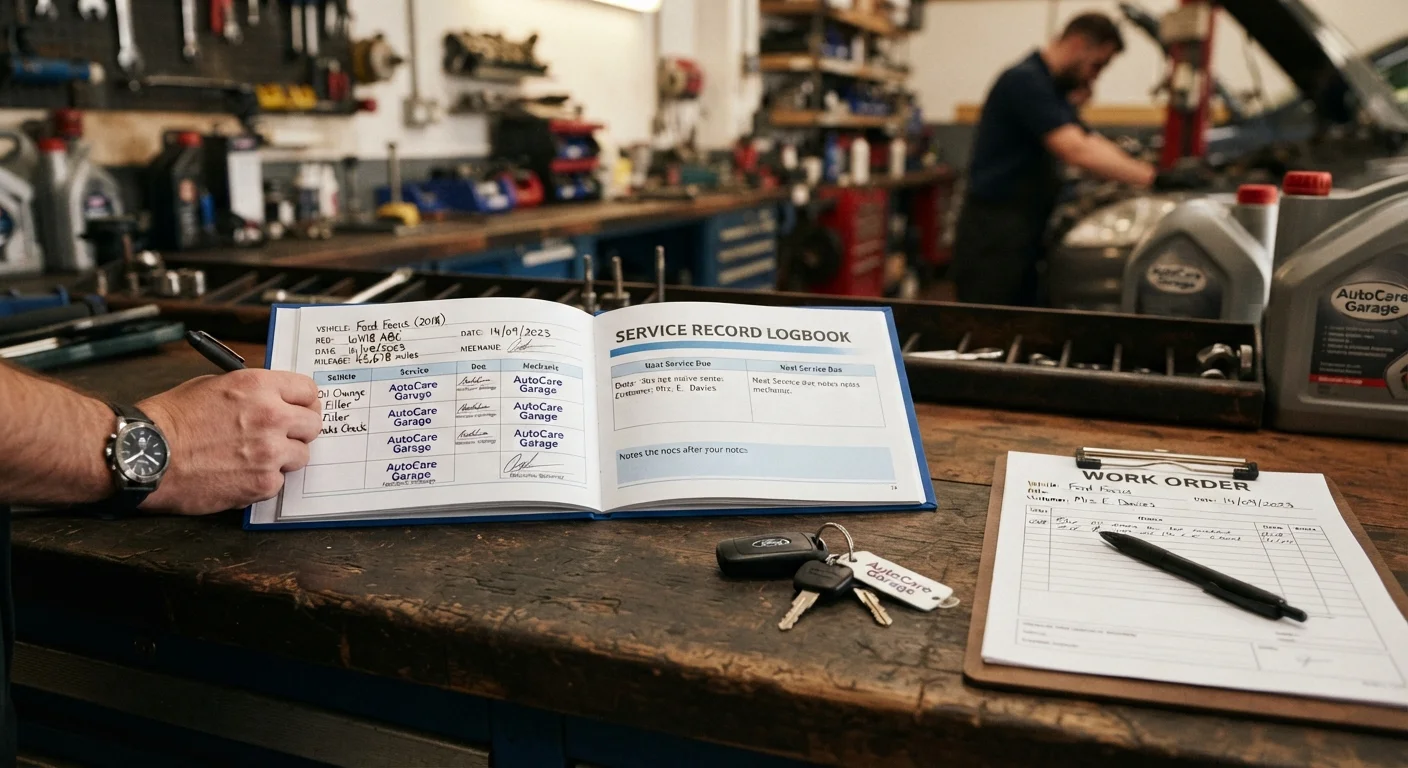
Photo credit: PrimeReads.net | Discover Insightful And Creative Blogs
In this article
A documented maintenance history protects your safety, supports resale value, and helps mechanics diagnose problems faster. Here's how to build one.
Key Takeaways
- A complete service history helps mechanics diagnose problems faster and more accurately.
- Documented maintenance records can meaningfully support a vehicle's resale value.
- Digital tools make it easier than ever to maintain an organised, accessible service log.
- Missing records don't mean you're out of options - you can often reconstruct a partial history.
- Consistent record-keeping is a low-effort habit that pays dividends throughout a vehicle's life.
What a Service Record Actually Contains
A vehicle service record is a running log of every maintenance task, repair, and inspection your car has received. At minimum, it should capture the date of service, the mileage at the time, what was done, which parts were replaced, and where the work was carried out. Receipts, dealer stamps, and technician notes all count.
Most new vehicles come with a manufacturer's service booklet - a physical document with scheduled intervals and stamp spaces. But even owners who've lost that booklet can build a credible record using digital tools, saved receipts, or records requested from previous service centres. If you want a plain-language breakdown of what those scheduled intervals actually involve, see our guide to reading your vehicle service schedule.
The key is consistency: a spotty record is more useful than none, but a complete one is far more valuable.
Why the Record Matters More Than Most Owners Think
There are three areas where a well-kept service record delivers real, tangible benefits - and most owners only think about one of them.
Faster, More Accurate Diagnostics
When a mechanic can see that your transmission fluid was last changed 80,000 miles ago, or that a particular component has been flagged twice before, they can narrow a diagnosis significantly faster. Without that context, they're starting from scratch - which costs both time and money. A good service history is, in effect, your vehicle's medical chart.
Resale Value and Buyer Confidence
Used-car buyers and dealers routinely factor service history into their offers. A vehicle with documented, consistent maintenance signals that it has been cared for - reducing the perceived risk of hidden problems. Our guide on what to verify before buying a used car explains exactly what buyers look for, and a clean service record sits near the top of that list.
Warranty and Recall Protection
Manufacturers and extended warranty providers may require proof that servicing was performed at the recommended intervals. If a covered component fails and you can't demonstrate the vehicle was properly maintained, a claim could be disputed. Keeping records protects your access to coverage you've already paid for.
Up to 40%
Potential resale value impact from documented history
Industry research consistently shows that documented maintenance history is among the top factors used by used-car appraisers to assess vehicle condition and price.
1 in 3
Used-car buyers who walk away over missing records
Consumer surveys in the automotive sector suggest a significant proportion of private buyers treat an absent service history as a dealbreaker or basis for a lower offer.
Best Practices for Building and Maintaining Your Record
Log every service immediately after it's completed.
Memory is unreliable, and the details that matter - exact mileage, part specifications, technician notes - fade quickly. Recording the information on the day prevents gaps from forming in the first place.
Keep both physical and digital copies of all service documents.
Physical booklets get lost; digital files can be accidentally deleted or become inaccessible. Redundancy ensures the record survives across ownership transitions and device changes.
Record the mileage at every service, not just the date.
Most maintenance intervals are mileage-based, not calendar-based. A date alone doesn't tell a mechanic - or a future buyer - whether service was performed on schedule.
Note any observations or symptoms alongside scheduled work.
Intermittent problems are notoriously hard to reproduce during a shop visit. A written note of when a sound or warning light appeared gives technicians a useful diagnostic thread to follow.
Use a single, consistent system rather than switching methods.
Splitting records between apps, paper, and email folders creates a fragmented history that's difficult to present to a mechanic or buyer. Consistency makes the record usable at a glance.
Transfer your records documentation when selling the vehicle.
A service history only benefits a future owner if they receive it. Handing over complete records - physical and digital - is both honest practice and a genuine selling point.
For a broader look at the habits that make vehicle ownership less expensive over time, see our article on maintenance habits that pay off long-term.
Quick Actions You Can Take Right Now
You don't need to overhaul your entire approach to get started. A few targeted steps today will put you well ahead of most vehicle owners.
Reconstructing a Record You've Lost
If you've owned your vehicle for years without keeping records, don't assume the history is gone. Contact your dealership or any independent shop you've used - most retain service records for several years and can provide printed summaries on request. Your vehicle's VIN is the key: shops use it to pull up past work orders even if you no longer have the paperwork.
Third-party services that aggregate vehicle history reports can also surface prior maintenance, major repairs, and inspection outcomes from participating service centres. These reports aren't always complete, but they provide a useful starting point.
From there, note your current mileage, photograph any visible service stickers on the windshield, and log everything going forward. A partial record rebuilt from today is still genuinely useful - both to you and to any future owner.
It's also worth checking whether any due maintenance has been affected by common misconceptions. Our piece on persistent car maintenance myths is a useful reality check before you fill in the gaps.

Author
Cars Editorial Team
Cars Editorial Team is the collective byline for our editorial team and contributor network. Articles published under this byline or an editorial pen name are researched, written, and reviewed according to our editorial standards for clarity, consistency, and independence before publication.
View all articles →