
Tyre Rotation, Balancing, and Alignment: What Each Actually Does
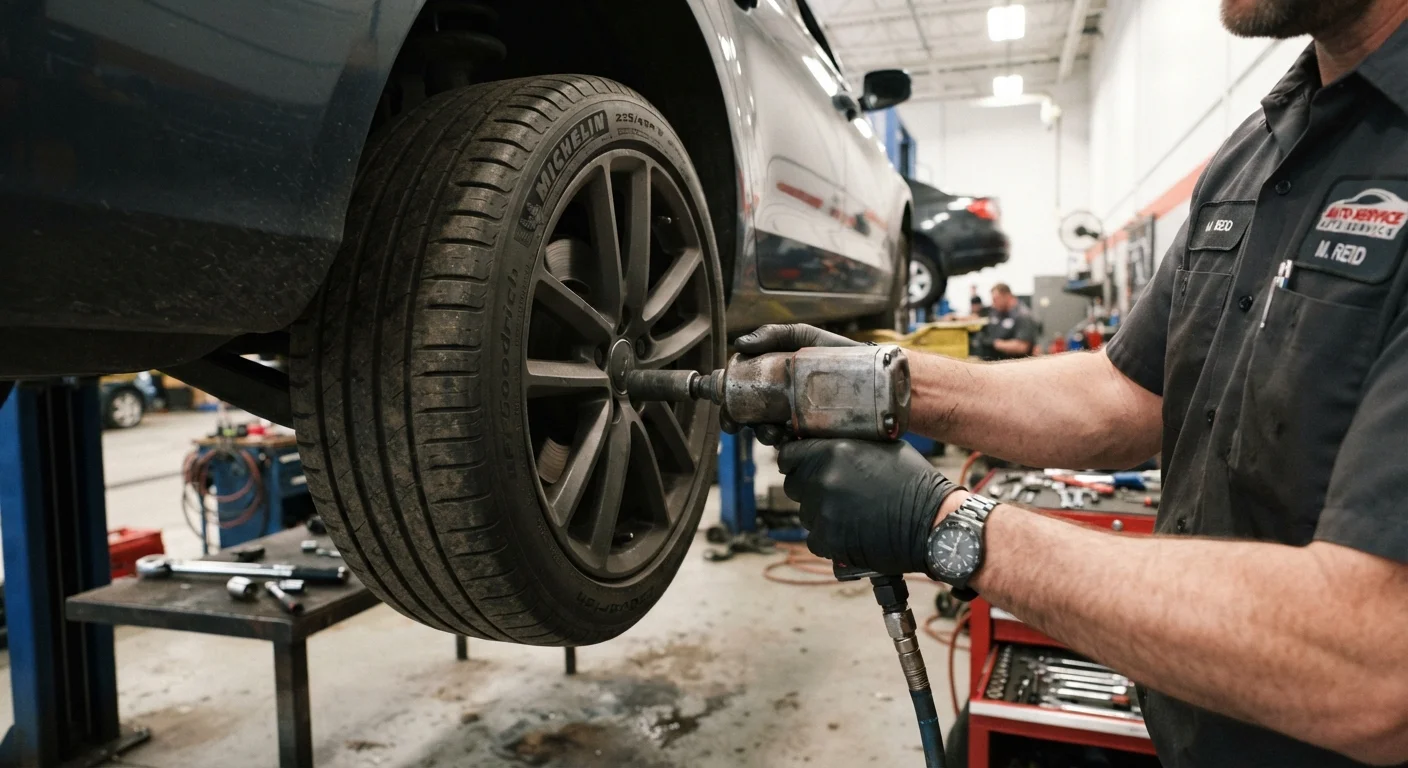
Photo credit: PrimeReads.net | Discover Insightful And Creative Blogs
In this article
Three tyre services that sound similar but address different problems. Here's a clear breakdown of what each one does and why it matters.
Key Takeaways
- Tyre rotation, balancing, and alignment are three separate services that address different problems and are not interchangeable.
- Rotation redistributes wear evenly across all four tyres, extending their usable life.
- Balancing eliminates vibration caused by uneven weight distribution in the wheel-and-tyre assembly.
- Alignment corrects the angles of your wheels relative to the road and each other, preventing pull and uneven wear.
- All three services are routine, relatively affordable, and meaningfully extend tyre and suspension component life.
Why These Three Services Get Confused
Ask most drivers what the difference is between tyre rotation, balancing, and alignment, and you'll get a vague answer - or a shrug. All three involve your tyres and wheels, all three are offered at service shops, and all three sound vaguely similar. But they solve completely different problems, operate on different timelines, and cannot substitute for one another.
Understanding what each service actually does helps you recognize when your car is telling you it needs one, push back on unnecessary upsells, and build a maintenance routine that actually protects your investment. For broader context on how these fit into your overall service schedule, see Your Car's Maintenance Schedule, Explained.
Tyre Rotation: Moving Tyres to Even Out Wear
Tyre rotation means physically moving each tyre to a different position on the vehicle - front-left to rear-right, for example - following a defined pattern. The purpose is straightforward: tyres in different positions wear at different rates.
Front tyres on a front-wheel-drive vehicle take on both steering and drive forces, so they wear faster, particularly on the outer edges. Rear tyres on any vehicle wear more evenly but still develop their own wear patterns over time. By rotating positions on a regular schedule, you allow all four tyres to wear down at a more uniform rate - which means replacing all four at roughly the same time rather than two prematurely.
Most manufacturers recommend rotation every 5,000 to 7,500 miles, though your owner's manual is the authoritative source. Some shops bundle it with oil changes. Tyre Maintenance: The Safety Basics Every Driver Should Know covers tread wear patterns and what they signal in more detail.
| Tyre Rotation | Wheel Balancing | Wheel Alignment | |
|---|---|---|---|
| What it fixes | Uneven tyre wear from position | Vibration from weight imbalance | Incorrect wheel angles causing pull or wear |
| Typical trigger | Mileage interval (5,000-7,500 mi) | New tyre install or vibration symptoms | Impact event, symptoms, or annual schedule |
| What the technician does | Moves tyres to different positions | Adds counterweights to the rim | Adjusts suspension geometry angles |
| Key symptom if neglected | Tyres wear out at different rates | Steering wheel vibration at speed | Vehicle pulls; tyre edges wear rapidly |
| Equipment used | Lift and basic tools | Computerized balancing machine | Four-wheel alignment rack |
| Can it substitute for the others? | No | No | No |
Wheel Balancing: Eliminating Vibration from Weight Imbalance
When a tyre is mounted on a wheel, the combined assembly is rarely perfectly uniform in weight distribution. Even tiny variations - a slightly heavier spot on the tyre or rim - cause the wheel to wobble at speed, creating a vibration you feel in the steering wheel or seat, typically starting around 50-60 mph.
Balancing involves mounting the wheel-and-tyre assembly on a balancing machine, which identifies where the weight is uneven. A technician then attaches small counterweights to the rim at precise locations to correct the imbalance. The result is a smoother ride and reduced stress on wheel bearings, suspension components, and the tyre itself.
Balancing is typically done when new tyres are installed and when vibration symptoms appear. Road impacts - hitting a pothole or a curb - can knock a previously balanced wheel out of balance. Unlike rotation, balancing is not strictly mileage-driven; it's triggered by symptoms or events.
Bundle Services Strategically
When you're having new tyres installed, ask for balancing at the same time - it should be included or offered as a low-cost add-on. After any significant road impact (deep pothole, curb strike), have both balancing and alignment checked together. Catching both issues at once saves a return visit and prevents compounding wear.
Wheel Alignment: Correcting the Angles Your Wheels Travel At
Alignment has nothing to do with tyre position or weight distribution. It refers to the angles at which your tyres contact the road, as set by the suspension geometry. Three primary angles matter: camber (inward or outward tilt of the tyre when viewed from the front), toe (whether tyres point inward or outward when viewed from above), and caster (the angle of the steering axis).
When these angles drift out of spec - due to a hard impact, worn suspension parts, or simply time - tyres scrub against the road at a slight angle rather than rolling cleanly. The result is accelerated, uneven tread wear (often on one edge of a tyre), and a vehicle that pulls to one side or requires constant steering correction to travel straight.
Alignment is corrected on a specialized rack that measures all four wheel angles and allows a technician to adjust them back to manufacturer specifications. It's commonly recommended after hitting a significant pothole, after suspension or steering repairs, and periodically as a preventive measure - often annually or every 10,000-15,000 miles, depending on road conditions. Keeping correct tyre pressure also plays a role in how evenly your tyres wear alongside alignment.
How to Know Which Service You Actually Need
The symptoms each condition produces are different enough to guide you toward the right service:
- Uneven tread wear across all tyres - suggests rotation has been neglected.
- Vibration through the steering wheel or seat at highway speeds - points to a balancing issue.
- Vehicle pulling left or right, or rapid wear on one edge of a tyre - indicates an alignment problem.
- Feathering or cupping wear patterns - can signal alignment or suspension issues; worth having a mechanic inspect both.
These symptoms can overlap, and one neglected service can make another problem worse. Misaligned wheels, for example, will wear tyres unevenly regardless of how often you rotate them. Document which services you've had done and when - keeping a vehicle service record makes it much easier to spot gaps and give mechanics accurate information.
This article is for general informational purposes. Always consult your vehicle's owner's manual and a qualified mechanic for service decisions specific to your car.

Author
Cars Editorial Team
Cars Editorial Team is the collective byline for our editorial team and contributor network. Articles published under this byline or an editorial pen name are researched, written, and reviewed according to our editorial standards for clarity, consistency, and independence before publication.
View all articles →