
International Trip Preparation: Everything to Verify Before You Fly
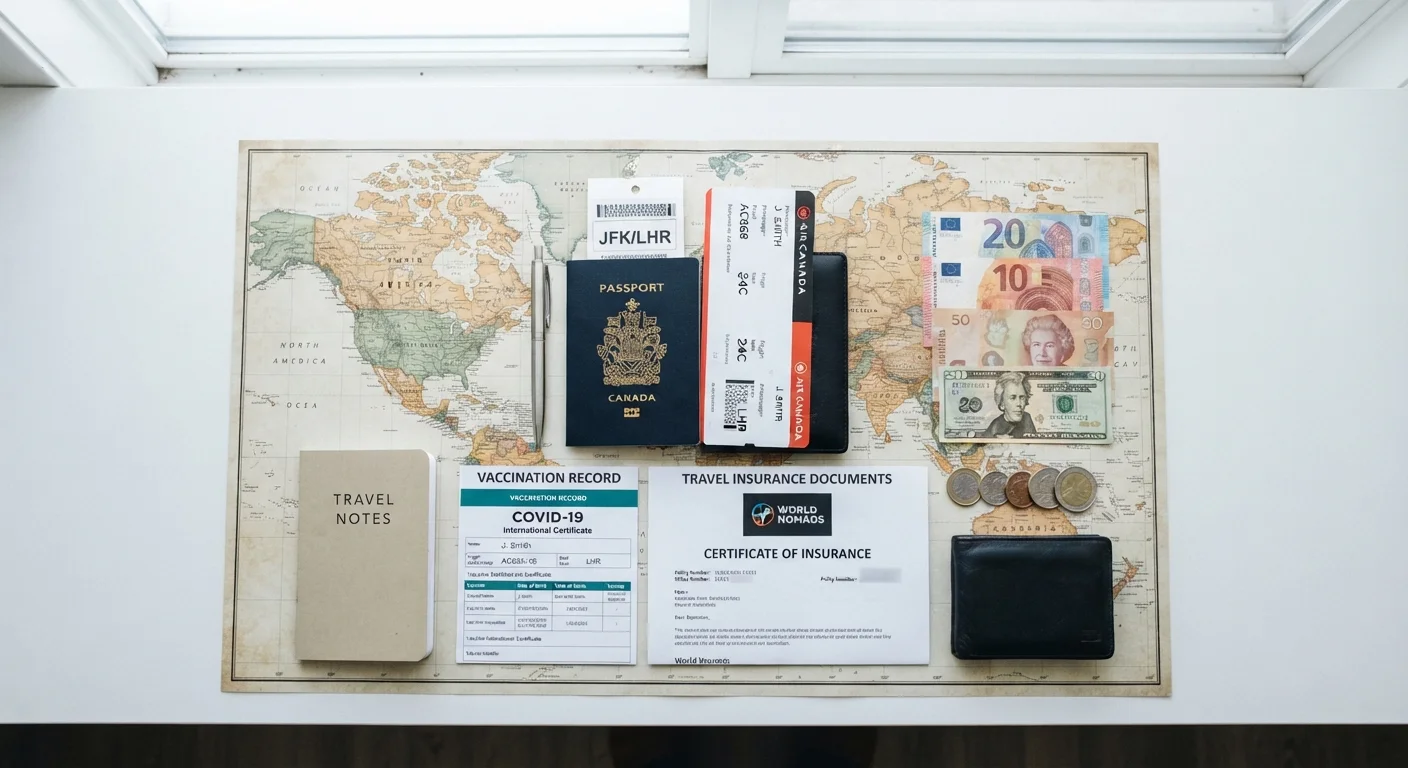
Photo credit: PrimeReads.net | Discover Insightful And Creative Blogs
In this article
Passports, visas, travel insurance, vaccinations, and more — a comprehensive pre-departure checklist for international travellers.
Key Takeaways
- Check passport validity at least six months before travel - many countries require it.
- Visa requirements vary by destination and nationality; verify through official government sources.
- Travel insurance should cover medical evacuation, not just trip cancellation.
- Vaccination and health requirements must be confirmed well in advance, as some courses take weeks.
- Notify your bank of travel dates to prevent cards from being blocked abroad.
- Make digital and physical copies of all critical documents before departure.
Why a Pre-Departure Checklist Matters
International travel introduces layers of complexity that domestic trips simply don't have: entry requirements, health mandates, currency logistics, and legal considerations that vary by country. Missing even one element - an expired passport, a missing visa, a lapsed vaccination - can derail an entire trip.
This checklist is designed to be worked through methodically, ideally starting four to six weeks before departure. For longer or more complex itineraries, see our long-haul trip planning guide for additional layover and multi-country logistics. If this is your first time travelling abroad, the guide to planning your first international trip provides helpful foundational context.
Work through each group below and check off items as you confirm them. Items marked must are non-negotiable - skipping them risks being denied boarding or entry.
Travel Documents
Health and Vaccinations
Travel Insurance
Finances and Banking
Entry Requirements and Local Laws
Logistics and Connectivity
Tools and Resources You'll Need
Gathering the right resources before you start saves time and prevents second-guessing. The tools below cover the core areas this checklist addresses.
Official Government Travel Advisory Portal
Provides up-to-date safety advisories, entry requirements, and emergency consular contact details for your destination.
Destination Country Embassy or Consulate Website
The authoritative source for visa requirements, application procedures, and entry documentation specific to your nationality.
Travel Health Clinic or Primary Care Provider
A qualified healthcare provider who can assess vaccination needs, prescribe preventive medications, and issue official health certificates.
Secure Cloud Storage (e.g. password-protected drive)
Store encrypted digital copies of your passport, visa, insurance policy, and itinerary for access from any device.
Offline Maps App
Download destination maps for navigation without data connectivity - essential for arrival in unfamiliar cities.
Foreign Currency or ATM Access
Arrange a small amount of local currency before departure for immediate expenses upon arrival.
Visa and Entry Rules Change Without Notice
Entry requirements - including visa policies, health mandates, and documentation rules - can change rapidly due to political, diplomatic, or public health developments. Never rely solely on third-party travel blogs or aggregator sites for this information. Always verify current requirements directly through the official embassy or consulate of your destination country and your own government's foreign affairs department before booking and again close to departure.
Documents, Money, and Final Preparation
Once your travel documents and health requirements are in order, shift focus to financial preparation and day-of logistics. Understanding how to handle money abroad is one of the most overlooked aspects of trip prep - our practical guide to currency, cards, and cash abroad covers exchange rates, card fees, and tipping norms in detail.
For packing, consider whether checked luggage is truly necessary. Travelling carry-on only simplifies airports considerably - the carry-on only travel guide walks through what's realistic for various trip lengths. When you're close to departure, the pre-flight checklist covers the final 24-hour window before you board.
Don't Leave Insurance to the Last Minute
Travel insurance purchased after a known disruption - such as a named storm or an announced airline bankruptcy - typically excludes claims related to that event. Purchase your policy as soon as your trip is booked to maximize coverage. Review the policy details carefully; our travel insurance explainer breaks down what most policies actually cover and what they commonly exclude.
Medications May Be Restricted at Your Destination
Some prescription medications that are legal in the US are classified as controlled or prohibited substances in other countries. Carrying them without proper documentation - or at all - can result in confiscation or legal consequences. Always check the destination country's drug control authority or embassy for guidance, and carry a physician's letter for any prescription medication you travel with.
This article is for general informational purposes only. Entry requirements, health mandates, and visa regulations change frequently. Always verify current requirements through official government sources - such as your country's foreign affairs ministry and the destination country's embassy or consulate - before travelling. This content does not constitute legal, medical, or financial advice.

Author
Travel Editorial Team
Travel Editorial Team is the collective byline for our editorial team and contributor network. Articles published under this byline or an editorial pen name are researched, written, and reviewed according to our editorial standards for clarity, consistency, and independence before publication.
View all articles →