
Nutrition Labels Decoded: A Field Guide to Reading Food Packaging
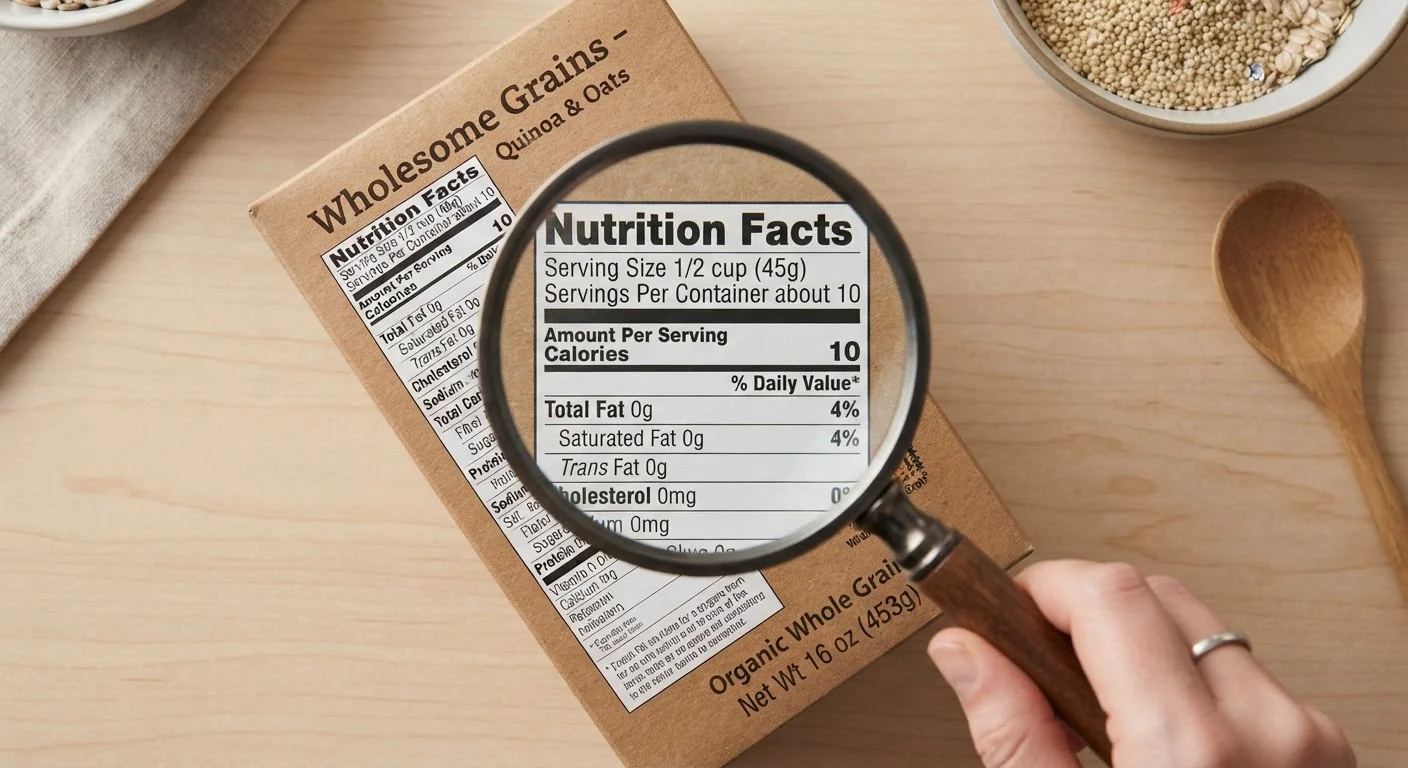
Photo credit: PrimeReads.net | Discover Insightful And Creative Blogs
In this article
Serving sizes, % daily values, ingredient lists — learn exactly what each section of a nutrition label is telling you and what to watch for.
What the Nutrition Facts Panel Is Actually Telling You
The Nutrition Facts panel is a federally standardized nutrition disclosure, not a marketing tool. Every figure on it is governed by FDA regulation, which means you can apply the same reading logic to virtually every packaged food sold in the United States.
| Regulatory authority | U.S. Food and Drug Administration (FDA) |
| Current label format effective | January 1, 2020 (large manufacturers) (FDA Nutrition Facts Label Update) |
| %DV reference calorie level | 2,000 calories per day (FDA) |
| %DV threshold - LOW nutrient | 5% DV or less per serving (FDA guidance) |
| %DV threshold - HIGH nutrient | 20% DV or more per serving (FDA guidance) |
| Ingredients ordered by | Weight, greatest to least (21 CFR 101.4) |
The panel flows in a deliberate order. Serving size and servings per container appear at the top because they set the context for everything else. Calories follow, displayed prominently since the FDA's 2020 redesign. Below that, nutrients are split into two groups: those Americans tend to overconsoume - total fat, saturated fat, trans fat, cholesterol, and sodium - and those many fall short on, including dietary fiber, vitamin D, calcium, iron, and potassium.
For a complementary walkthrough of each label section, see Reading a Nutrition Label Without Getting Lost. For a reference on what specific ingredient terms mean once you reach the ingredient list, Common Ingredient Label Terms and What They Actually Mean is a useful companion.
The % Daily Value: Your Fast-Scan Tool
The % Daily Value (%DV) is one of the most practical tools on the label and also one of the most misunderstood. It does not tell you how much of your personal daily needs a food meets - it references a standardized 2,000-calorie diet. Individuals with different caloric needs, health conditions, or life stages will have different targets. Consult a registered dietitian or healthcare provider for personalized guidance.
Serving Size
The standardized amount of food the label's nutrition information is based on, set by the FDA to reflect amounts people typically consume. All values on the panel - calories, nutrients, %DVs - apply to this quantity.
% Daily Value (%DV)
A percentage showing how much of a nutrient one serving contributes toward the recommended daily intake for an average adult eating 2,000 calories. Use 5% or less as low and 20% or more as high.
Added Sugars
Sugars introduced during processing or preparation, distinct from naturally occurring sugars in fruit or dairy. The FDA requires added sugars to be listed separately to help consumers limit intake.
Saturated Fat
A type of dietary fat found mainly in animal products and some tropical oils. Dietary guidelines recommend limiting saturated fat because high intake is associated with elevated LDL cholesterol levels.
Dietary Fiber
The indigestible portion of plant foods that supports digestive health and helps regulate blood sugar and cholesterol. Most Americans consume less than the recommended daily amount.
Ingredient List
A federally required list of every ingredient in a product, ordered by weight from greatest to least. It appears separately from the Nutrition Facts panel and is critical for identifying allergens and additives.
What %DV does well is allow quick comparisons. The FDA's two-anchor rule is straightforward: 5% DV or less signals a low amount of that nutrient per serving; 20% DV or more signals a high amount. Applied consistently, this lets you scan a shelf and assess, for example, whether one cereal is meaningfully higher in fiber than another, or whether a sauce contains a significant fraction of your daily sodium in a single portion.
Note that not all nutrients list a %DV. Trans fat, total sugars, and protein have no %DV because there is no established daily reference value for those nutrients at this time. Their gram amounts are still required disclosures.
Added Sugars, Sodium, and the Nutrients Worth Prioritizing
The 2020 label update introduced a mandatory added sugars line, separate from total sugars. This distinction matters: a flavored yogurt and a plain yogurt may contain similar total sugar grams, but the plain version's sugar comes almost entirely from naturally occurring lactose, while the flavored one may carry a substantial added-sugar load. The 2020-2025 Dietary Guidelines for Americans recommend limiting added sugars to less than 10% of daily calories.
Labels Reflect a Single Serving, Not the Whole Package
One of the most common misreadings is treating the entire package as one serving. A bag of chips or a bottled beverage may contain two, three, or more servings. All calorie and nutrient figures on the panel multiply by the number of servings you actually consume. The updated FDA label now displays calories in larger, bolder type and includes a 'servings per container' line to make this more prominent.
Sodium is worth watching closely on processed and packaged foods, where it can accumulate quickly across meals. The %DV reference point is 2,300 mg per day - a figure aligned with American Heart Association guidance for most adults. A single serving of some soups, sauces, or deli items can account for 30-40% of that ceiling.
On the nutrients-to-seek side, dietary fiber and potassium are listed because most Americans fall short. A food with 20% DV or more of fiber per serving is a meaningful source. For vitamin context across your broader diet, see A Field Guide to Vitamins. Some products also highlight omega-3 content - Understanding Omega-3s explains what those claims actually mean.
The Ingredient List and Front-of-Pack Claims
The ingredient list is separate from the Nutrition Facts panel but equally regulated. Ingredients appear in descending order by weight, so the first three to five ingredients represent the bulk of what you are eating. A bread listing enriched bleached flour as its first ingredient and whole wheat flour fifth is mostly refined grain despite any whole-grain language on the front of the pack.
Front-of-package claims - low fat, reduced sodium, good source of fiber - have specific FDA definitions and are useful shortcuts, but they describe single nutrients in isolation. A product can be genuinely low in fat while being high in added sugars. The panel and the ingredient list together give a more complete picture than any front-label claim alone. For a closer look at foods that carry a healthy reputation but have more complex nutritional profiles, see Foods Often Labelled 'Healthy' That Nutritionists View More Cautiously.
Once you're comfortable reading individual labels, applying that knowledge to your overall shopping patterns is a natural next step. Your Weekly Grocery Run Nutrition Audit offers a structured framework for assessing your typical shop against a broader nutritional picture. For deeper context on how diet-related research is reported, Reading Nutrition Research About Diets Without Being Misled helps distinguish headlines from evidence.
This article is for general informational and educational purposes only and is not a substitute for advice from a qualified healthcare professional or registered dietitian.

Author
Food Editorial Team
Food Editorial Team is the collective byline for our editorial team and contributor network. Articles published under this byline or an editorial pen name are researched, written, and reviewed according to our editorial standards for clarity, consistency, and independence before publication.
View all articles →