
A Field Guide to Vitamins: What Each One Does and Where to Find It
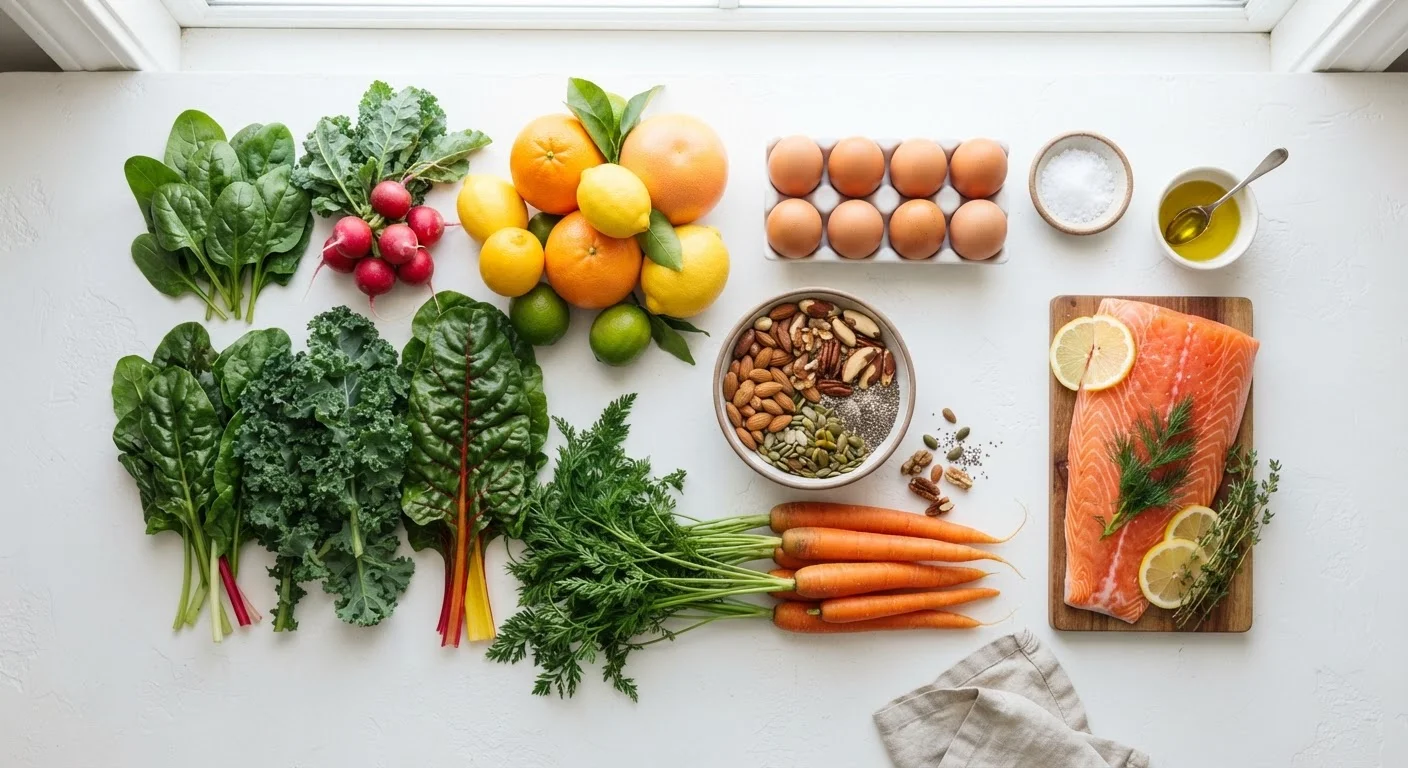
Photo credit: PrimeReads.net | Discover Insightful And Creative Blogs
In this article
A concise reference covering all 13 essential vitamins, their roles in the body, and the foods they're most commonly found in.
The 13 Essential Vitamins at a Glance
Vitamins are organic compounds your body requires in small amounts to function normally. Unlike proteins, fats, and carbohydrates, vitamins don't provide energy directly - they enable the chemical reactions that release it. There are exactly 13 vitamins recognized as essential for human health, divided into two groups: fat-soluble (A, D, E, K) and water-soluble (C and the eight B vitamins). Understanding that distinction matters, because fat-soluble vitamins are stored in body tissues and can accumulate, while water-soluble ones are largely excreted and need regular replenishment through food.
| Total essential vitamins | 13 (National Institutes of Health, Office of Dietary Supplements) |
| Fat-soluble vitamins | 4 (A, D, E, K) |
| Water-soluble vitamins | 9 (C and 8 B vitamins) |
| Vitamin most commonly deficient in U.S. adults | Vitamin D (NHANES data, CDC) |
| Vitamin critical for neural tube development | Folate (B9) (Centers for Disease Control and Prevention) |
| Vitamin found almost exclusively in animal foods | Vitamin B12 (NIH Office of Dietary Supplements) |
This guide is a reference tool - a practical lookup for understanding what each vitamin does and which everyday foods deliver it. It is general nutritional information, not a substitute for personalized guidance from a registered dietitian or physician. For a deeper dive into spotting vitamins on your grocery packaging, see how to read a nutrition label.
Fat-Soluble Vitamins: A, D, E, and K
Because fat-soluble vitamins are stored in the liver and fatty tissues, both deficiency and excess can have meaningful health effects. They are typically absorbed alongside dietary fat, so meals that include healthy fats improve uptake.
- Vitamin A
- Supports vision (particularly low-light vision), immune defense, and skin cell turnover. Found in liver, dairy, eggs, and in plant foods as beta-carotene: sweet potatoes, carrots, and dark leafy greens.
- Vitamin D
- Regulates calcium absorption and is critical for bone density; also plays a role in immune function. The body synthesizes it through sun exposure, but dietary sources - fatty fish (salmon, mackerel), fortified dairy, and egg yolks - matter especially in low-sunlight seasons.
- Vitamin E
- Acts primarily as an antioxidant, protecting cell membranes from oxidative damage. Nuts (especially almonds), sunflower seeds, wheat germ, and vegetable oils are the richest sources.
- Vitamin K
- Essential for blood clotting (K1, or phylloquinone) and bone metabolism (K2, menaquinone). Leafy greens like kale, spinach, and broccoli are abundant in K1; fermented foods and some animal products provide K2.
Water-Soluble Vitamins: C and the B Complex
Water-soluble vitamins dissolve in water and travel freely through the bloodstream. Because the body doesn't store large reserves, consistent dietary intake is important. Cooking can degrade some - particularly vitamin C and folate - so variety in preparation methods (raw, steamed, lightly cooked) helps preserve them.
- Vitamin C (Ascorbic acid)
- Supports collagen synthesis, wound healing, and immune function; enhances iron absorption from plant sources. Citrus fruits, bell peppers, strawberries, and broccoli are excellent sources.
- Thiamin (B1)
- Converts carbohydrates into usable energy and supports nerve function. Found in whole grains, pork, legumes, and fortified cereals.
- Riboflavin (B2)
- Involved in energy metabolism and cellular growth. Dairy products, eggs, lean meats, and almonds are key sources.
- Niacin (B3)
- Supports energy metabolism and DNA repair. Poultry, fish, beef, peanuts, and enriched grains provide it. The body can also convert the amino acid tryptophan into niacin.
- Pantothenic acid (B5)
- Required for synthesizing coenzyme A, central to fatty acid metabolism. It's widespread in foods - chicken, beef, potatoes, oats, and tomatoes all contain meaningful amounts.
- Vitamin B6 (Pyridoxine)
- Involved in protein metabolism, neurotransmitter production, and immune function. Poultry, fish, potatoes, bananas, and chickpeas are reliable sources.
- Biotin (B7)
- Supports fat and carbohydrate metabolism; also plays a role in gene expression. Eggs (especially yolks), liver, salmon, sunflower seeds, and sweet potatoes contain it.
- Folate (B9)
- Critical for DNA synthesis and cell division; particularly important during pregnancy for neural tube development. Dark leafy greens, legumes, asparagus, and fortified grains are primary sources. The synthetic form is called folic acid.
- Vitamin B12 (Cobalamin)
- Maintains nerve function and red blood cell formation; also required for DNA synthesis. Found almost exclusively in animal products - meat, fish, dairy, and eggs. People following plant-based diets are typically advised to use fortified foods or supplements; consult a healthcare provider for guidance tailored to your situation.
For a broader look at nutrients often missing from the American diet alongside vitamins, see our guide to commonly overlooked dietary minerals.
This article provides general nutritional information for educational purposes only and is not a substitute for advice from a qualified healthcare professional or registered dietitian.

Author
Food Editorial Team
Food Editorial Team is the collective byline for our editorial team and contributor network. Articles published under this byline or an editorial pen name are researched, written, and reviewed according to our editorial standards for clarity, consistency, and independence before publication.
View all articles →