
Reading a Nutrition Label Without Getting Lost
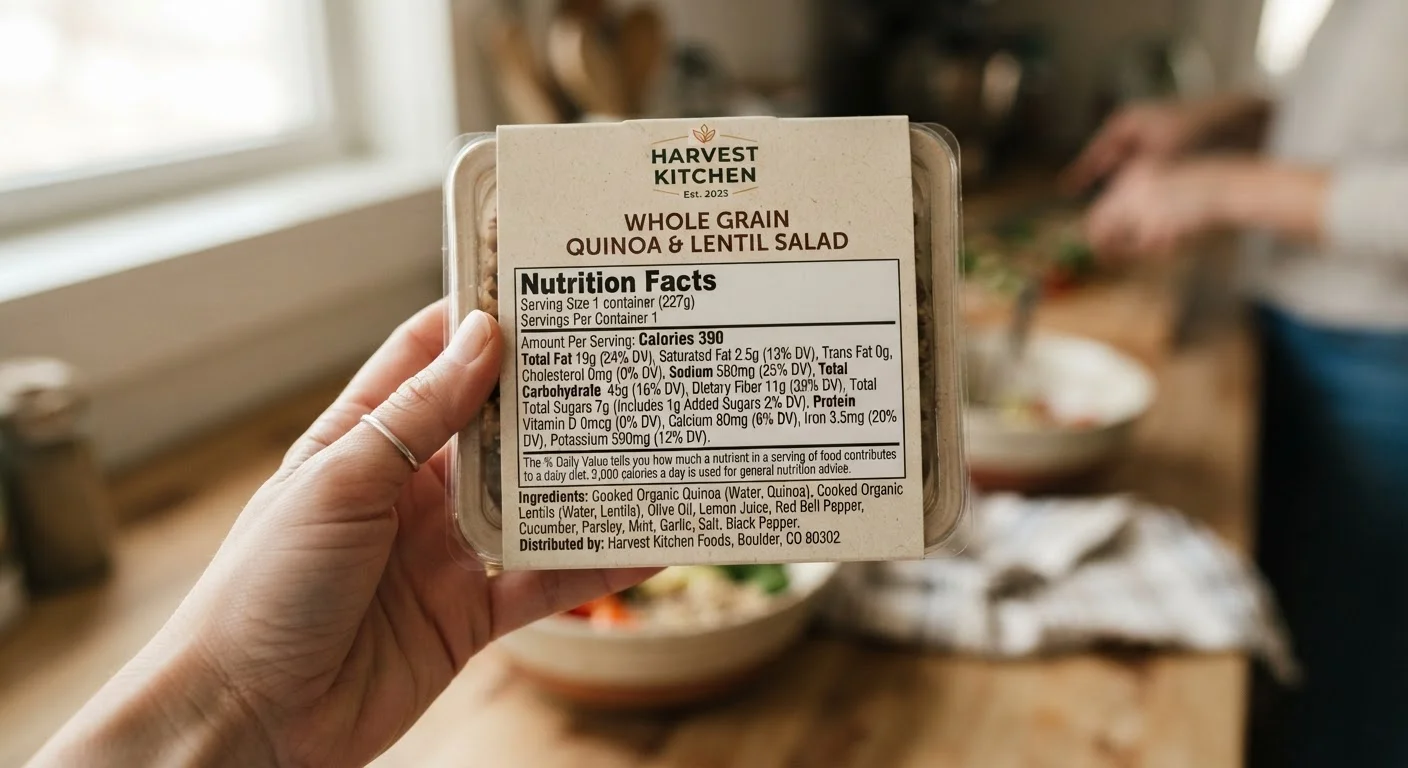
Photo credit: PrimeReads.net | Discover Insightful And Creative Blogs
In this article
A practical walkthrough of what each section of a food nutrition label means, from serving sizes to % daily values.
Key Takeaways
- Serving size is the foundation of every number on the label - always check it first.
- % Daily Value shows how much a nutrient contributes to a standard 2,000-calorie diet.
- Nutrients like sodium, saturated fat, and added sugars are worth monitoring closely.
- Fiber, vitamins, and minerals have % DVs worth aiming higher on for most people.
- The ingredient list complements the Nutrition Facts panel with important context.
Why the Nutrition Facts Label Exists
The Nutrition Facts label is a federally mandated panel required by the FDA on most packaged foods sold in the United States. It was first introduced in 1994 following the Nutrition Labeling and Education Act, and most recently updated in 2020 to reflect current nutritional science - including the addition of a separate line for added sugars and an updated list of required nutrients.
Its purpose is straightforward: to give consumers standardized, comparable information about the nutritional content of a food before they buy or eat it. Used consistently, the label is one of the most practical tools available for building a more genuinely balanced diet over time.
Many shoppers glance at calories and move on. But the full panel contains layers of information - and knowing how to read each section changes what you actually get out of it. This walkthrough covers every major component in the order it appears on a standard label.
This Is General Information, Not Medical Advice
This article explains how to read a Nutrition Facts label for general educational purposes. Individual nutrient needs vary based on age, health status, medical conditions, and other factors. Consult a registered dietitian or qualified healthcare provider for guidance tailored to your specific situation.
How to Read Each Section, Step by Step
Work through the label from top to bottom. Each section builds on the one before it, and skipping the serving size at the top means every number that follows is potentially misleading.
Start with the Serving Size
Every number on a Nutrition Facts label is based on one serving - not necessarily the whole package. The serving size appears at the very top of the panel, expressed in a common household measure (e.g., "1 cup" or "3 crackers") alongside a gram weight in parentheses.
Check how many servings the package contains. If a bag of chips lists 7 servings and you eat the whole bag, every calorie and nutrient value multiplies by 7. This single step recalibrates everything else you read.
Read the Calorie Count
Directly below the serving size, you'll find Calories displayed in a large font. This number reflects total energy per serving from all macronutrients - fat, carbohydrates, and protein. Calories are a useful reference point, but calorie density alone doesn't capture the quality or nutritional value of a food.
Review the Nutrients to Limit
The next section lists nutrients that the Dietary Guidelines for Americans suggest most people consume in moderation:
- Total Fat - includes saturated fat and trans fat as subcategories
- Saturated Fat - the American Heart Association recommends keeping this low relative to total calorie intake
- Trans Fat - no safe level has been established; aim for as close to zero as possible
- Cholesterol
- Sodium - the Dietary Guidelines recommend less than 2,300 mg per day for most adults
- Added Sugars - distinct from naturally occurring sugars; the FDA requires this to be listed separately
For more on how fat types differ, see our breakdown of saturated vs. unsaturated fats.
Identify the Nutrients to Prioritize
Below the nutrients to limit, the label lists nutrients that many Americans fall short on and that support overall health:
- Dietary Fiber
- Vitamin D
- Calcium
- Iron
- Potassium
These are federally mandated because public health data shows widespread insufficiency. Choosing foods with higher % DVs for these nutrients over time can support a more balanced dietary pattern. For a broader look at vitamins and where to find them, our vitamin field guide is a useful reference.
Interpret the % Daily Values
The column on the right - % Daily Value (%DV) - shows what percentage of a standard daily intake one serving provides, based on a 2,000-calorie reference diet. It gives you a quick, relative sense of a nutrient's contribution to your day without requiring math.
Use this column to compare similar products or to assess whether a food is high or low in a specific nutrient. Keep in mind that 2,000 calories is a general benchmark - your actual needs may differ based on age, sex, activity level, and health status.
Glance at the Ingredient List
The Nutrition Facts panel doesn't tell the whole story. The ingredient list, required just below or beside the panel, lists every ingredient in descending order by weight. Ingredients present in the largest amounts appear first.
A short ingredient list isn't automatically better, but scanning the first three to five ingredients gives you a sense of what the food is primarily made of. For a deeper look at terms like "natural flavoring" or "modified starch," see our guide to ingredient label language.
Use the 5/20 Rule as a Quick Guide
A % Daily Value of 5% or less is generally considered low for a nutrient; 20% or more is considered high. Use this shortcut when scanning labels quickly - it applies to any nutrient with a % DV listed, from sodium to vitamin D.
Once you've worked through the steps above, reading a label takes less than a minute. The practice pays off most when comparing two similar products - say, two breakfast cereals - to see which offers more fiber or less added sugar per serving. For a structured way to apply these habits across a full shop, the Weekly Grocery Run Nutrition Audit offers a useful framework.
Putting Label Reading into Broader Context
A Nutrition Facts label reflects a snapshot of one food in isolation. Nutrition, however, works across the whole diet - patterns matter more than individual products. A single high-sodium meal doesn't define a diet; neither does one high-fiber cereal redeem an otherwise low-vegetable week.
Be cautious of front-of-package claims like "low fat," "natural," or "multigrain" - these are marketing terms, not regulatory nutrition standards. The Nutrition Facts panel and ingredient list on the back are always the more reliable reference. For a closer look at foods that carry a healthy reputation but have more nuanced nutritional profiles, see foods often labelled healthy that nutritionists view more cautiously.
Label literacy is one part of a broader skill set for eating well. Pairing it with an understanding of how nutrients work - such as the roles of omega-3 fatty acids or how to interpret nutrition research - gives you a more complete foundation for making informed food decisions day to day.
This article is for general informational and educational purposes only and does not constitute medical or dietary advice. Consult a qualified healthcare professional or registered dietitian for guidance specific to your health needs.

Author
Food Editorial Team
Food Editorial Team is the collective byline for our editorial team and contributor network. Articles published under this byline or an editorial pen name are researched, written, and reviewed according to our editorial standards for clarity, consistency, and independence before publication.
View all articles →