
Your Weekly Grocery Run Nutrition Audit
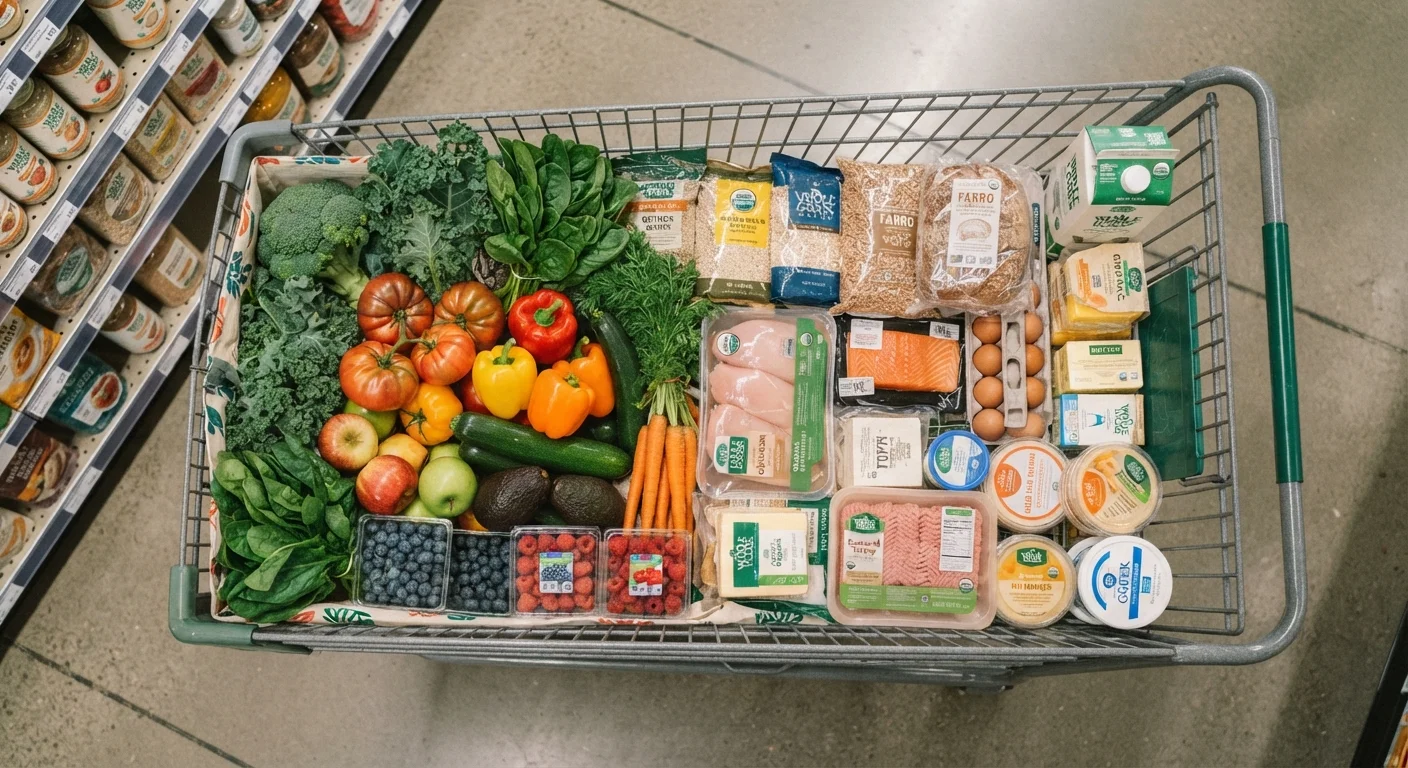
Photo credit: PrimeReads.net | Discover Insightful And Creative Blogs
In this article
A structured checklist to help you assess whether your typical shop supports the nutritional variety your body benefits from most.
Key Takeaways
- A nutrition audit focuses on food variety and category balance, not calorie counting.
- Most Americans fall short on vegetables, fiber, and whole grains - key gaps this checklist targets.
- Reviewing your cart before checkout takes under five minutes and can meaningfully shift weekly nutrition.
- Protein, healthy fats, and micronutrient-rich produce should each appear across multiple meals.
- Consistent small improvements to your shop add up to lasting dietary gains over time.
Why Auditing Your Grocery Cart Makes a Difference
Most people shop on autopilot - grabbing familiar items, defaulting to convenience, and filling gaps with whatever looks appealing in the moment. The result is often a cart that reflects habit more than intention. A weekly nutrition audit breaks that cycle by giving you a structured moment to evaluate whether what you're buying actually supports the variety and balance your body benefits from most.
This isn't about perfection or strict tracking. It's a practical scan rooted in well-established dietary principles from sources like the USDA Dietary Guidelines and the American Heart Association. Think of it as a five-minute quality check you can do before you reach the register - or even while you plan your list at home.
For a complementary skill that helps you evaluate individual items you're already buying, see our guide on reading a nutrition label without getting lost. And if you're interested in how a weekly audit fits into a broader self-improvement routine, a structured weekly review can help you reflect and reset across multiple areas of life.
Produce & Color Variety
Whole Grains & Fiber Sources
Protein Sources
Healthy Fats
Dairy or Calcium-Rich Alternatives
Sodium, Sugar & Ingredient Quality
What Tools You'll Need
This checklist works best when you approach your shop with a little preparation. The tools below aren't mandatory, but they'll help you move through the audit more efficiently and consistently week to week.
Written or digital grocery list
Organizing your intended purchases by category before you shop makes it easier to spot missing nutritional groups.
USDA MyPlate reference
The free MyPlate framework (myplate.gov) provides a quick visual guide to proportional food group representation.
Nutrition label reading guide
Helps you quickly interpret serving sizes, fiber, sodium, and added sugar on packaged items during the audit.
Meal plan for the week
Mapping meals in advance lets you cross-check whether your cart actually covers the proteins, vegetables, and grains those meals require.
Understanding the Checklist Categories
The audit is organized into logical nutritional categories rather than store aisles. Each group targets a different dimension of dietary quality - from macronutrient balance to micronutrient density to what the Ingredients & Nutrients hub covers in depth: the actual roles different foods play in supporting health.
Pay particular attention to the produce and whole-grain sections. According to USDA data, most Americans consume far less fiber and vegetable variety than recommended. A cart that skews heavily toward packaged foods and refined carbohydrates - even convenient, well-intentioned ones - often leaves meaningful nutritional gaps.
If you're also thinking about a more formal eating approach, our article on questions worth asking before trying a new diet pattern can help you assess any framework for nutritional adequacy before committing. And for practical ways to turn a well-audited cart into actual meals, eating well on a tight schedule offers strategies for when time is limited.
This article is for general informational and educational purposes only and does not constitute medical or dietary advice. Consult a registered dietitian or qualified healthcare professional for guidance tailored to your individual health needs.
Supplements Don't Replace Food Variety
A multivitamin or individual supplement cannot replicate the full spectrum of fiber, phytonutrients, and synergistic compounds found in whole foods. This checklist focuses on food-first strategies consistent with mainstream dietary science. If you have a specific deficiency or medical condition affecting your nutritional needs, consult a registered dietitian or your healthcare provider rather than self-supplementing.

Author
Food Editorial Team
Food Editorial Team is the collective byline for our editorial team and contributor network. Articles published under this byline or an editorial pen name are researched, written, and reviewed according to our editorial standards for clarity, consistency, and independence before publication.
View all articles →