
Whole-Food, Minimally Processed: Understanding the WFPB Framework
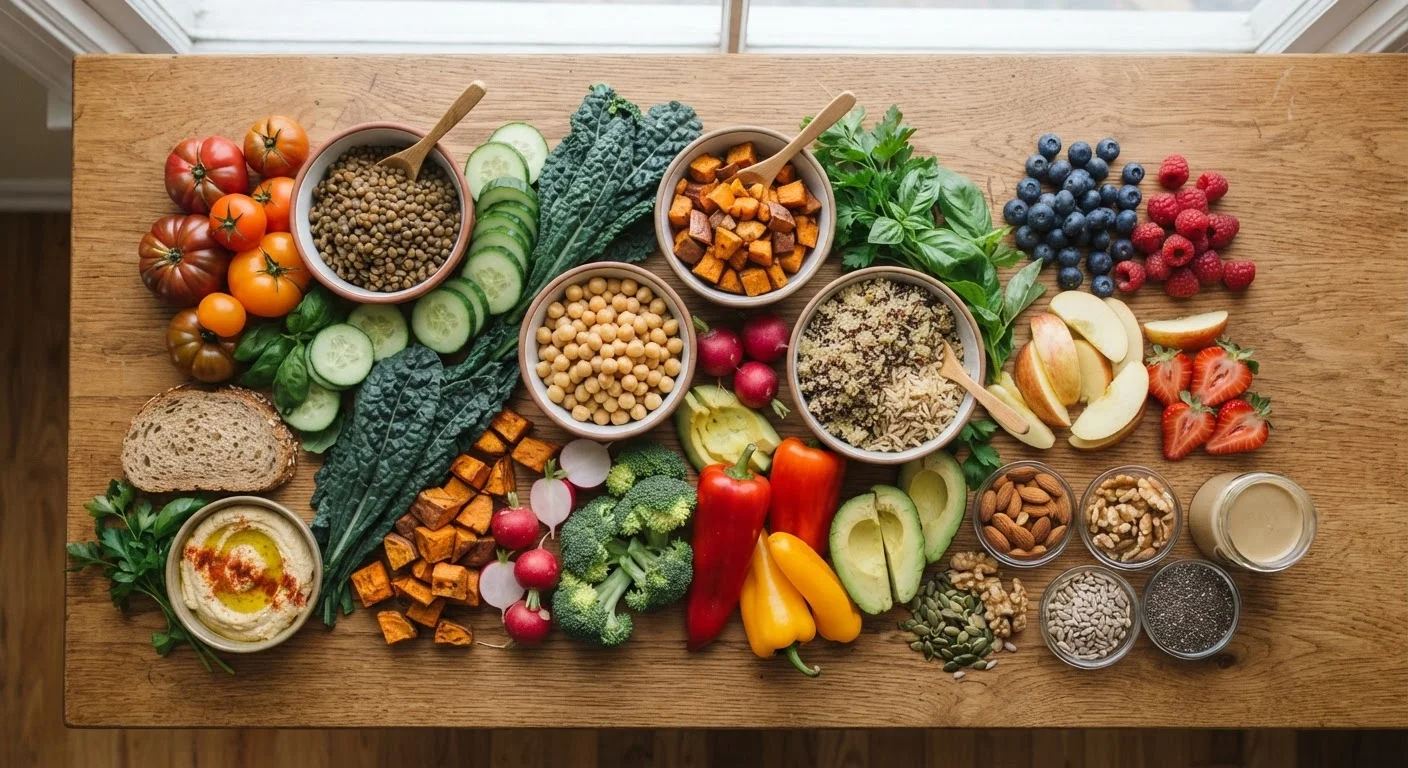
Photo credit: PrimeReads.net | Discover Insightful And Creative Blogs
In this article
The whole-food plant-based diet is more specific than it sounds. This explainer breaks down its principles, foods included, and the science behind it.
Key Takeaways
- WFPB emphasizes the quality and processing level of food, not just plant origin.
- It differs from veganism because its foundation is nutritional science, not ethics.
- Highly processed plant foods - including refined oils and white flour - are generally excluded.
- Research links WFPB eating patterns to reduced risk of cardiovascular disease and type 2 diabetes.
- No single authoritative standard defines WFPB, so interpretations can vary across practitioners.
The Core Principle: Minimizing Processing, Maximizing Plants
The WFPB framework rests on two interlocking ideas: eat plants, and eat them as close to their natural state as possible. It is not simply a plant-based label - plenty of plant-based packaged foods contain refined starches, hydrogenated fats, and concentrated additives that WFPB explicitly avoids.
Understanding what "minimally processed" means is foundational here. A bowl of steel-cut oats qualifies; a flavored instant oat packet with added sugars does not. Cooked lentils qualify; lentil crisps made with refined flour likely do not. For a closer look at how processing level is defined in practice, see whole foods vs. minimally processed foods.
Animal foods - meat, poultry, seafood, dairy, and eggs - are excluded or reduced to a very minor role. Refined oils, including olive oil, are also limited in stricter WFPB interpretations because the refining process removes fiber and other nutrients present in the whole food (for example, olives themselves).
Use Processing Level as Your Filter
When evaluating a food's fit within a WFPB framework, ask: does this ingredient resemble what it looked like before it was harvested or raised? A potato is whole food; a potato chip is not. Applying this simple lens at the grocery store can clarify most borderline decisions without memorizing long ingredient lists.
What WFPB Includes - and What It Doesn't
The foods central to a WFPB eating pattern include:
- Vegetables - all varieties, cooked or raw, without heavy processing
- Fruits - whole fruits prioritized over juices, which concentrate sugar and strip fiber
- Whole grains - brown rice, oats, barley, quinoa, whole wheat. Processing matters: what changes when grains are refined is worth understanding
- Legumes - beans, lentils, chickpeas, and peas are nutritional anchors of the pattern, providing protein, fiber, and micronutrients
- Nuts and seeds - in moderate amounts, consumed in their whole or minimally processed form
Foods generally excluded or minimized include red and processed meats, poultry and dairy, refined oils, white flour, added sugars, and heavily processed packaged foods regardless of whether they carry plant-based marketing.
The WFPB pattern contrasts meaningfully with flexitarianism, which reduces rather than eliminates animal foods and doesn't impose the same restrictions on processing level.
~16%
Reduced cardiovascular disease risk
A meta-analysis published in the Journal of the American Heart Association found plant-based dietary patterns were associated with approximately a 16% lower risk of cardiovascular disease compared with less plant-focused diets.
23%
Lower type 2 diabetes risk
Research in PLOS Medicine analyzing multiple large cohort studies found healthy plant-based diets were associated with a roughly 23% reduced risk of developing type 2 diabetes.
~70%
Of US calories from ultra-processed foods
National Health and Nutrition Examination Survey (NHANES) data has estimated that ultra-processed foods account for a majority of caloric intake in the average US diet - a central concern that WFPB frameworks are designed to address.
What the Research Shows
A substantial body of epidemiological research and a smaller number of clinical trials associate diets rich in whole plant foods with lower rates of cardiovascular disease, type 2 diabetes, and certain cancers. Large cohort studies, including research published in JAMA Internal Medicine and the Journal of the American Heart Association, have linked plant-predominant eating patterns to improvements in LDL cholesterol, blood glucose regulation, and body weight.
Mechanistically, the benefits are attributed to several factors: high dietary fiber intake, phytonutrients with anti-inflammatory properties, lower saturated fat consumption, and the displacement of energy-dense, nutrient-poor processed foods. WFPB diets are also associated with a more favorable gut microbiome composition, according to emerging research - though this area is still developing.
“The evidence that a diet centered on whole plant foods can meaningfully reduce chronic disease risk is among the most consistent findings in nutritional epidemiology - but the devil is always in the details of what 'plant-based' actually means in a given study.”
— David Katz, Preventive medicine physician and nutrition researcher, founding director of Yale-Griffin Prevention Research Center
It's important to note that much of the supporting research studies broad plant-forward patterns rather than WFPB with a precise clinical definition. Individual health outcomes vary, and this content is general educational information, not medical advice. Anyone considering a significant dietary change should consult a registered dietitian or physician, particularly those with existing health conditions or special nutritional needs.
Nutritional Considerations and Practical Planning
A well-constructed WFPB diet can meet most nutrient needs for generally healthy adults - but several nutrients require deliberate attention. Vitamin B12 is the most critical: it is not reliably available from plant foods, and deficiency carries serious neurological risk. Anyone eating predominantly or exclusively plant foods needs supplementation or B12-fortified foods.
Other nutrients to monitor include vitamin D (especially in low-sunlight climates), long-chain omega-3 fatty acids (EPA and DHA, found primarily in fatty fish), iodine, zinc, and calcium. Plant-based sources exist for many of these, but bioavailability - how readily the body absorbs and uses a nutrient - can differ from animal-derived sources.
On the protein question, legumes, whole grains, and nuts collectively provide sufficient amino acids when variety is maintained across the day. For a detailed look at how protein is handled in this and other diet frameworks, see how major diet frameworks handle protein.
Practical adoption doesn't require perfection. Building meals around a legume, a whole grain, and generous vegetables - as explored in broader healthy eating habits guidance - aligns closely with WFPB principles without demanding rigid adherence.
This article is for informational purposes only and does not constitute medical or nutritional advice. Consult a qualified healthcare professional before making significant changes to your diet.
Frequently Asked Questions

Author
Food Editorial Team
Food Editorial Team is the collective byline for our editorial team and contributor network. Articles published under this byline or an editorial pen name are researched, written, and reviewed according to our editorial standards for clarity, consistency, and independence before publication.
View all articles →