
How Major Diet Frameworks Handle Protein: A Side-by-Side Look
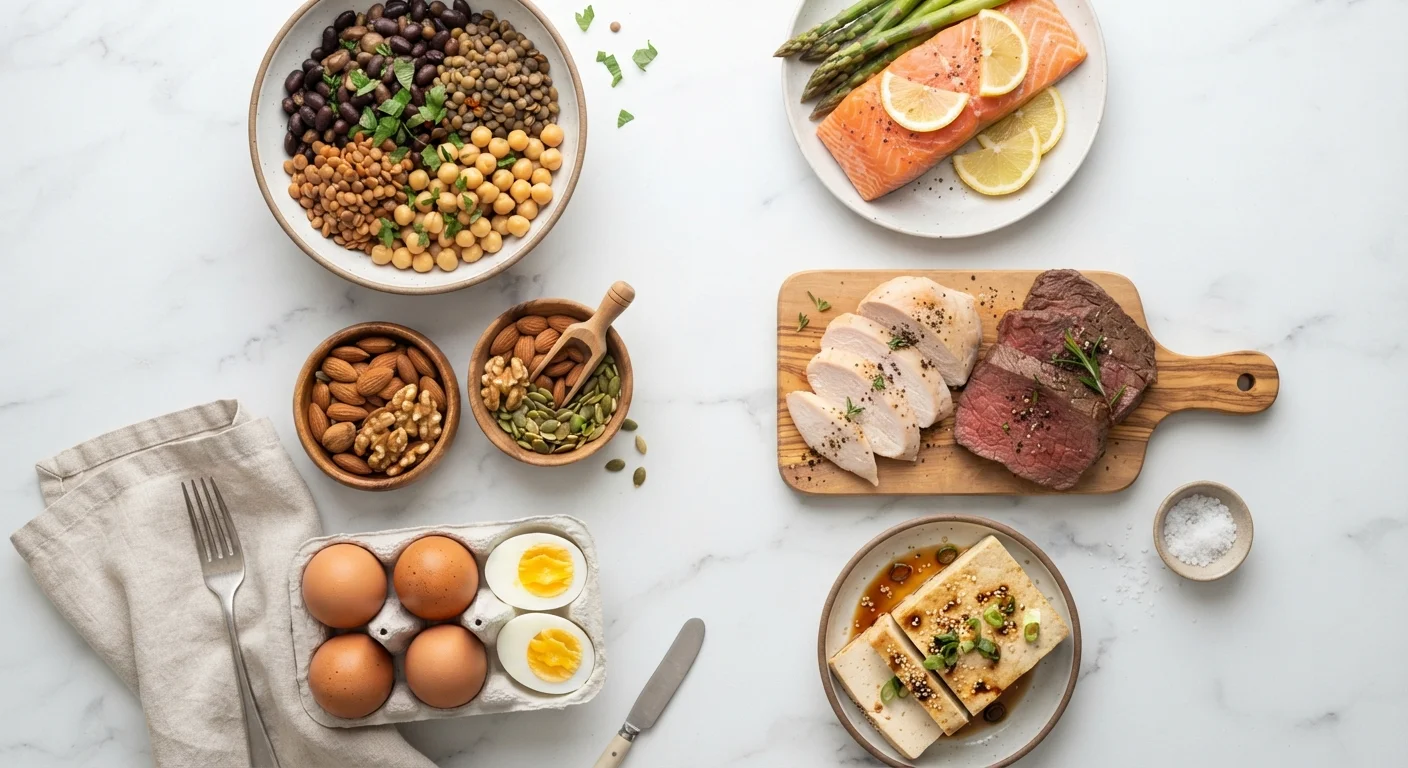
Photo credit: PrimeReads.net | Discover Insightful And Creative Blogs
In this article
Protein intake varies widely across dietary patterns. This comparison maps how Mediterranean, vegan, paleo, keto, and DASH approaches differ on protein.
Key Takeaways
- Protein recommendations differ meaningfully across Mediterranean, vegan, paleo, keto, and DASH eating patterns.
- Animal versus plant protein sourcing is one of the most significant dividing lines between frameworks.
- Meeting the USDA's recommended dietary allowance for protein is achievable across most major diet patterns with planning.
- Protein quality - including amino acid completeness - matters more in frameworks that exclude animal foods.
- No single diet framework has a monopoly on adequate protein intake; individual needs vary by age, activity, and health status.
Why Protein Varies So Much Across Diet Frameworks
Protein is a non-negotiable macronutrient - essential for muscle maintenance, immune function, enzyme production, and tissue repair. Yet the amount, source, and emphasis placed on protein varies dramatically depending on which dietary framework a person follows. Understanding these differences helps consumers evaluate each pattern more critically, without the noise of marketing claims.
The USDA's current Recommended Dietary Allowance (RDA) for protein is 0.8 grams per kilogram of body weight for sedentary adults - a baseline, not a ceiling. Many researchers and clinicians suggest higher intakes are beneficial for older adults and physically active individuals. For context on how macronutrients interact with exercise, see how macronutrients fuel physical activity.
Below, we map five widely followed dietary frameworks against a consistent set of protein-related criteria.
Framework-by-Framework Protein Breakdown
Each of these frameworks approaches protein through a different philosophical and practical lens - shaped by its core rationale, permitted foods, and target health outcomes.
Mediterranean Diet: This pattern emphasizes fish and seafood as primary protein sources, with moderate amounts of poultry, eggs, legumes, and dairy. Red meat appears infrequently. Protein intake tends to sit in a moderate range, and the framework scores well for protein diversity and overall diet quality in large observational studies.
Vegan Diet: All animal-derived protein is excluded, making legumes, tofu, tempeh, seitan, edamame, and whole grains the primary sources. Achieving sufficient protein - and in particular a complete amino acid profile - requires deliberate variety. Combining complementary plant proteins throughout the day (not necessarily at every meal) addresses this. For a deeper look at plant protein quality claims, see protein myths that refuse to die.
Paleo Diet: Modeled loosely on presumed ancestral eating, paleo emphasizes lean meats, fish, eggs, and nuts - making it naturally high in animal protein. Legumes and dairy are excluded, which removes some plant protein options. Protein typically constitutes a larger percentage of total calories than in most other frameworks. For a comparison with other low-carbohydrate approaches, see how paleo compares to keto and carnivore.
Ketogenic Diet: Keto prioritizes fat as the dominant macronutrient, with protein held at moderate levels - typically 15-25% of calories - to avoid disrupting ketosis. Protein sources are animal-heavy: meat, fish, eggs, and cheese. Paradoxically, keto is not a high-protein diet by design, even though it excludes most carbohydrates.
DASH Diet: Designed primarily to reduce blood pressure, DASH includes lean meats, poultry, fish, and significant amounts of legumes, nuts, and low-fat dairy. It distributes protein across both animal and plant sources and provides explicit servings guidance, making it one of the more structured frameworks for protein planning.
| Mediterranean | Vegan | Paleo | Ketogenic | DASH | |
|---|---|---|---|---|---|
| Primary protein sources | Fish, legumes, poultry | Legumes, tofu, tempeh | Meat, fish, eggs | Meat, eggs, cheese | Lean meat, legumes, dairy |
| Animal protein included? | Yes (moderate) | No | Yes (emphasized) | Yes (moderate-high) | Yes (lean sources) |
| Typical protein % of calories | 15-20% | 10-20% (varies) | 25-35% | 15-25% | 18-22% |
| Protein completeness challenge | Low | High - requires variety | Low | Low | Low |
| Legumes as protein source? | Yes | Yes - central | No (excluded) | Limited | Yes |
| Dairy as protein source? | Moderate (cheese, yogurt) | No | No (excluded) | Yes (cheese, cream) | Yes (low-fat) |
| Evidence base for adequacy | Strong | Strong with planning | Moderate | Moderate | Strong |
Protein Quality: The Factor Often Overlooked
Quantity is only part of the picture. Protein quality - determined by its amino acid profile and digestibility - differs between animal and plant sources. Animal proteins are generally considered complete, containing all nine essential amino acids in sufficient proportions. Most individual plant proteins are incomplete, though combining a variety of plant foods over the course of a day reliably meets essential amino acid needs.
This distinction matters most in vegan and whole-food plant-based frameworks. Consumers following those patterns benefit from including a wide range of protein sources: legumes, whole grains, nuts, seeds, and soy products. For more on the WFPB approach specifically, see the whole-food plant-based framework explained.
In animal-inclusive frameworks, protein quality is rarely a concern - the challenge is more often about avoiding excessive saturated fat that accompanies some high-protein animal foods.
This article is for general informational purposes only and is not a substitute for personalized medical or dietary advice. Consult a registered dietitian or qualified healthcare professional before making significant changes to your eating pattern, particularly if you have an existing health condition.

Author
Food Editorial Team
Food Editorial Team is the collective byline for our editorial team and contributor network. Articles published under this byline or an editorial pen name are researched, written, and reviewed according to our editorial standards for clarity, consistency, and independence before publication.
View all articles →