
Flexitarianism: How a Semi-Plant-Based Approach Works in Practice
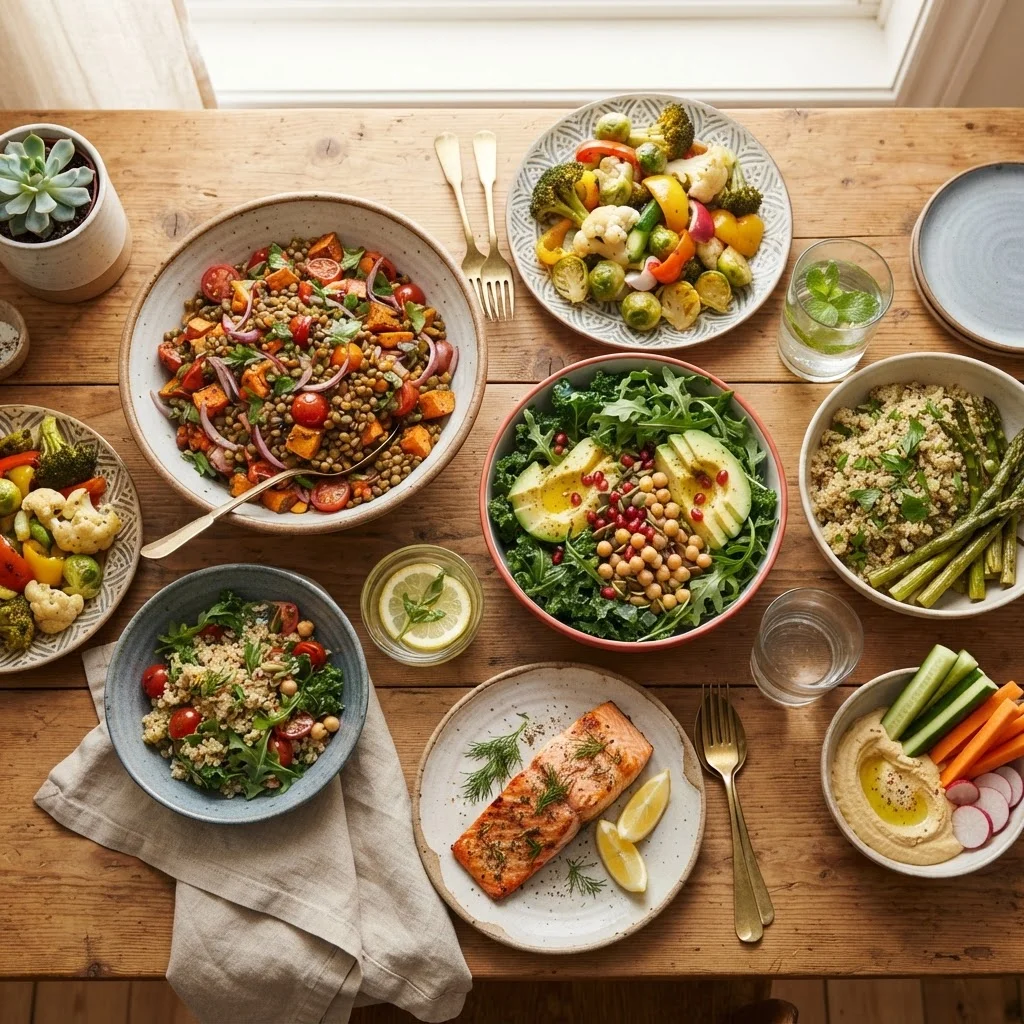
Photo credit: PrimeReads.net | Discover Insightful And Creative Blogs
In this article
The flexitarian pattern reduces — rather than eliminates — animal foods. Here's what it involves, who it suits, and what the evidence suggests.
Key Takeaways
- Flexitarianism reduces - but does not eliminate - animal foods, centering plant-based eating instead.
- There is no single rigid rule; the approach is defined by direction and proportion, not strict categories.
- Research associates predominantly plant-based diets with several favorable health markers, though evidence is observational.
- Nutritional gaps are possible at lower animal-food intake; a few nutrients deserve deliberate attention.
- Flexitarianism is more adaptable than fully plant-based frameworks, which suits many everyday eating contexts.
What Flexitarianism Actually Means
The word flexitarian is a portmanteau of flexible and vegetarian. It describes an eating pattern that places plant foods at the center - vegetables, legumes, whole grains, fruits, nuts, and seeds - while allowing animal foods in reduced, intentional amounts rather than eliminating them entirely.
Unlike vegetarianism or veganism, flexitarianism has no single governing definition or official certification. What unites the various descriptions used by researchers and dietitians is the direction of change: away from animal-heavy eating and toward predominantly plant-based meals, without a hard prohibition on meat, poultry, seafood, eggs, or dairy.
This distinguishes it from the whole-food plant-based (WFPB) framework, which excludes all animal products. Flexitarianism is better understood as a spectrum than a binary category.
Flexitarianism
An eating pattern that emphasizes plant foods while allowing animal foods in reduced, occasional amounts rather than excluding them completely.
Plant-based diet
A broad term for any diet where plants form the majority of food intake; it does not necessarily mean all animal foods are excluded.
Legumes
A family of plants including lentils, beans, chickpeas, and peas that are high in protein, fiber, and micronutrients - a cornerstone of plant-forward eating.
Non-heme iron
The form of iron found in plant foods, which the body absorbs less efficiently than heme iron from meat; absorption improves when eaten with vitamin C.
Observational study
A type of research where scientists track existing behaviors and health outcomes without assigning participants to specific diets; it shows associations, not proven cause and effect.
Bioavailability
The proportion of a nutrient that the body actually absorbs and uses; it varies by food source and can be influenced by other foods eaten at the same meal.
How the Eating Pattern Works Day-to-Day
In practice, a flexitarian plate looks recognizably plant-forward. Legumes - lentils, chickpeas, black beans - take the protein role that meat often fills in a conventional omnivore diet. Whole grains provide sustained energy. Vegetables occupy a large share of the plate at most meals, consistent with guidance from the Healthy Eating Habits principles underpinning sound dietary planning.
Animal foods appear in smaller portions and lower frequency. A typical weekly pattern might include:
- Fish or seafood one or two times
- Poultry or eggs on one or two occasions
- Red or processed meat rarely or not at all
- Dairy as a minor ingredient rather than a dietary staple
There is no rigid meal template. The approach tolerates restaurant meals, social gatherings, and cultural food traditions far more easily than stricter plant-based frameworks, which is a deliberate feature, not a loophole.
For readers curious about how vegetable intake looks across different dietary patterns, our vegetable intake comparison offers useful context.
What the Evidence Suggests
Research on flexitarian and predominantly plant-based diets is largely observational - meaning scientists track what people already eat and look for associations with health outcomes, rather than assigning diets in controlled experiments. With that caveat in mind, the findings are broadly consistent.
Large cohort studies, including analyses drawing on data from tens of thousands of participants, tend to find that people who eat less meat and more plants have lower average rates of type 2 diabetes, cardiovascular disease, and certain diet-related cancers compared with heavy meat consumers. Body weight also tends to be lower on average in plant-forward eaters.
The 2020-2025 Dietary Guidelines for Americans acknowledge that multiple healthy eating patterns - including those that limit or reduce animal foods - can support long-term health. The guidelines do not prescribe flexitarianism by name, but the pattern aligns with their emphasis on vegetables, legumes, whole grains, and limited saturated fat.
Prioritize Food Quality, Not Just Categories
The research benefits linked to plant-forward diets are most strongly associated with whole, minimally processed plant foods - not simply the absence of meat. When building a flexitarian plate, focus on vegetables, legumes, whole grains, nuts, and seeds as your foundation. Swapping steak for heavily processed meat-free alternatives every day is a very different nutritional proposition.
It is worth noting that the health benefits observed in research may reflect the quality of plant foods consumed, not merely the absence of meat. A flexitarian diet built around highly processed plant foods would not carry the same advantages as one centered on whole, minimally processed ingredients.
Nutritional Considerations to Keep in Mind
A well-planned flexitarian diet can meet most nutrient needs without difficulty. However, as animal-food intake decreases, a handful of nutrients deserve deliberate attention:
- Vitamin B12
- Found almost exclusively in animal foods. At very low intakes of meat, dairy, and eggs, B12 intake may fall short. This is less of a concern for people who consume eggs and dairy regularly than for those eating animal foods only occasionally.
- Iron
- Plant sources (non-heme iron) are absorbed less efficiently than the heme iron in meat. Pairing iron-rich plant foods with vitamin C sources improves absorption. Needs vary by individual, and iron status is worth monitoring, especially for menstruating individuals.
- Omega-3 fatty acids
- EPA and DHA - the long-chain forms linked to cardiovascular and cognitive health - are concentrated in oily fish. People who eat little fish may benefit from algae-derived omega-3 supplements, though this is a decision best made with a healthcare provider.
- Zinc and calcium
- Both are present in plant foods but in forms that are less bioavailable. Varied eating and adequate overall food intake typically address this, but it is worth tracking if animal food frequency is very low.
Exploring the Ingredients & Nutrients hub can help readers understand these nutrients in more depth.
Who Flexitarianism Tends to Suit
Flexitarianism is particularly practical for people who want to shift toward a more plant-forward diet without the social friction or logistical complexity of eliminating animal foods entirely. It fits households where different members have different preferences, cultures where shared meals are central, and lifestyles where dining out is frequent.
It is also a reasonable starting point for people moving away from a heavily meat-centered diet incrementally - reducing rather than eliminating, and building plant-cooking skills over time rather than all at once.
Flexitarianism is not an ideal fit for everyone. People with specific health conditions, those in certain life stages (pregnancy, early childhood, older adulthood), or anyone with complex nutritional needs should work directly with a registered dietitian before making significant dietary changes. General eating frameworks are not medical prescriptions, and individual needs vary considerably.
If you are evaluating whether this - or any - dietary pattern is right for your situation, our article on questions to ask before trying a new diet offers a practical checklist.
This article is for general informational purposes only and does not constitute medical or nutritional advice. Consult a qualified healthcare professional or registered dietitian before making significant changes to your diet, especially if you have an existing health condition.
Frequently Asked Questions

Author
Food Editorial Team
Food Editorial Team is the collective byline for our editorial team and contributor network. Articles published under this byline or an editorial pen name are researched, written, and reviewed according to our editorial standards for clarity, consistency, and independence before publication.
View all articles →