
Owning Your Car's Maintenance: What You Can Reasonably Do Yourself vs. When to See a Mechanic
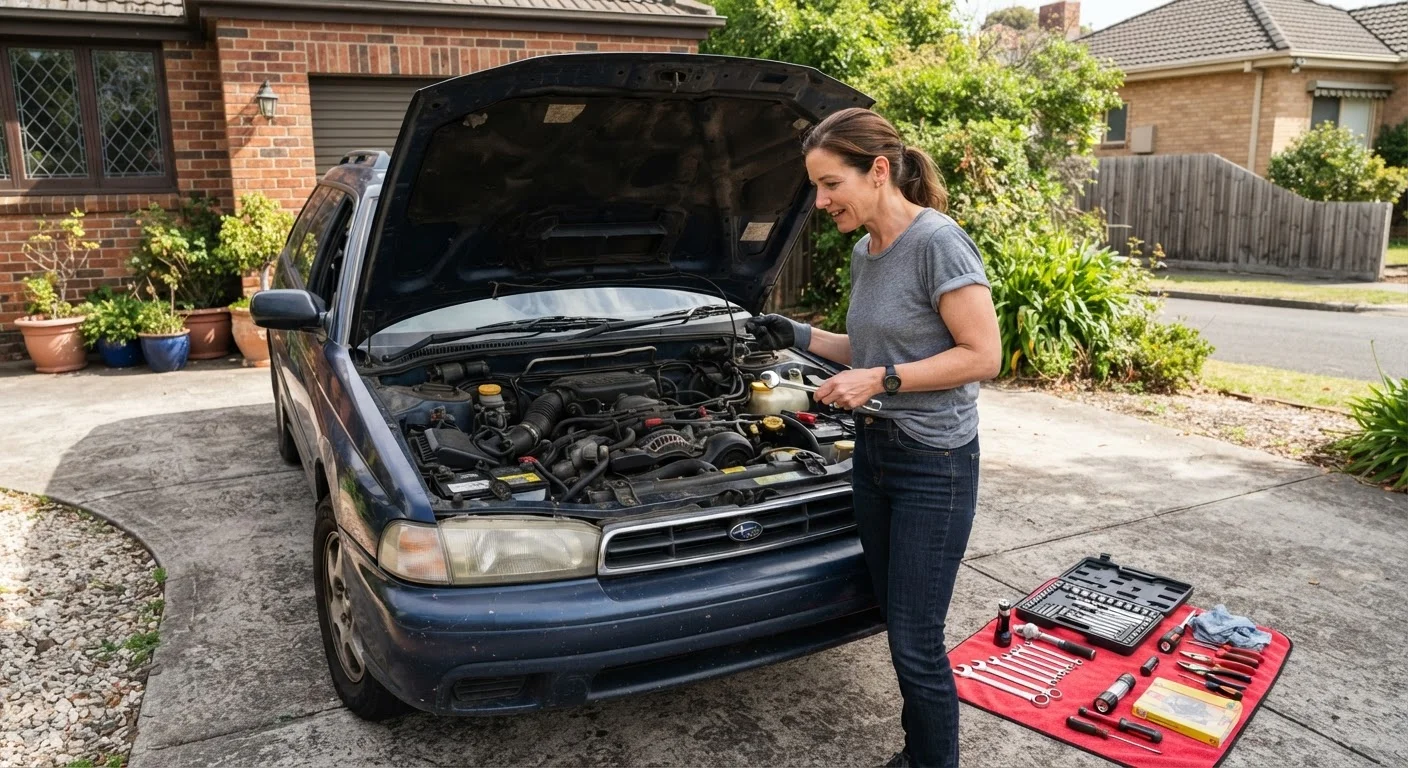
Photo credit: PrimeReads.net | Discover Insightful And Creative Blogs
In this article
A grounded look at which routine checks any owner can handle safely at home — and which jobs genuinely call for a qualified mechanic.
Key Takeaways
- Several routine checks - tire pressure, fluid top-offs, air filters - are genuinely safe for most owners to do at home.
- Brake system work, suspension repairs, and anything involving the fuel system should go to a qualified mechanic.
- DIY maintenance only pays off when done correctly; a mistake can create a larger, costlier problem.
- Keeping a record of every service - professional or DIY - protects resale value and helps diagnose future issues.
- Your owner's manual is the most reliable guide to your specific vehicle's service needs.
Saves money on basic, low-risk service tasks
Checks like tire pressure, fluid levels, and air filter swaps cost very little to do yourself and require no special training, reducing routine shop visits.
Builds working knowledge of your vehicle
Owners who regularly inspect their car are more likely to notice early warning signs - unusual noises, fluid leaks, or wear - before they become expensive repairs.
Gives you control over service timing
You can address small items on your schedule rather than waiting for a shop appointment, which can be especially useful for straightforward checks before long trips.
Reduces dependence on others for minor upkeep
Understanding the basics means you're less vulnerable to being upsold unnecessary services, and better equipped to evaluate what a mechanic recommends.
Mistakes on critical systems carry serious risk
Errors on brakes, suspension, or fuel components can compromise vehicle safety in ways that may not be immediately obvious but could have severe consequences on the road.
Specialist tools are often required for proper work
Many jobs demand torque wrenches, OBD-II scanners, or lift equipment that most owners don't own - improvising without them frequently leads to incomplete or incorrect repairs.
DIY errors can void warranties or complicate insurance claims
Improper repairs or modifications may affect powertrain warranty coverage or create disputes if a related failure occurs later.
Time and disposal requirements add hidden costs
Tasks like oil changes require proper disposal of used fluids, which involves time and travel to a recycling facility - narrowing the actual cost advantage over a shop visit.
Difficult to diagnose modern electronic faults without equipment
Contemporary vehicles rely on networked control modules; dashboard warning lights often require a professional scan tool to interpret accurately, making DIY diagnosis unreliable.
The Case for Doing Some Maintenance Yourself
Taking an active role in your car's upkeep isn't about avoiding mechanics - it's about becoming a more informed owner. Routine checks keep small issues from escalating, and several of them require nothing more than a few minutes and basic tools.
Saves money on basic, low-risk service tasks
Checks like tire pressure, fluid levels, and air filter swaps cost very little to do yourself and require no special training, reducing routine shop visits.
Builds working knowledge of your vehicle
Owners who regularly inspect their car are more likely to notice early warning signs - unusual noises, fluid leaks, or wear - before they become expensive repairs.
Gives you control over service timing
You can address small items on your schedule rather than waiting for a shop appointment, which can be especially useful for straightforward checks before long trips.
Reduces dependence on others for minor upkeep
Understanding the basics means you're less vulnerable to being upsold unnecessary services, and better equipped to evaluate what a mechanic recommends.
Tasks that consistently fall within a careful owner's reach include:
- Tire pressure checks: A gauge costs a few dollars and under-inflation is one of the most common - and preventable - causes of uneven wear and reduced fuel economy.
- Topping off washer fluid and coolant reservoirs: Most vehicles make these reservoirs clearly accessible with marked fill lines.
- Replacing cabin and engine air filters: On most models, this involves unclipping a housing, swapping the filter, and snapping it back - no special tools needed.
- Checking and replacing wiper blades: Manufacturers typically include instructions on the blade packaging itself.
- Inspecting tire tread depth: A simple tread depth gauge (or the coin test as a rough indicator) can flag tires approaching the end of their safe life.
None of these tasks involve high-risk systems, and they map directly onto the kind of preventive habits covered in our guide to maintenance habits that pay off long-term.
Where DIY Has Real Limits
The appeal of saving labor costs can push owners toward jobs that genuinely require professional expertise, calibrated equipment, or both. Attempting these without the right background is where well-intentioned DIY becomes a liability.
Mistakes on critical systems carry serious risk
Errors on brakes, suspension, or fuel components can compromise vehicle safety in ways that may not be immediately obvious but could have severe consequences on the road.
Specialist tools are often required for proper work
Many jobs demand torque wrenches, OBD-II scanners, or lift equipment that most owners don't own - improvising without them frequently leads to incomplete or incorrect repairs.
DIY errors can void warranties or complicate insurance claims
Improper repairs or modifications may affect powertrain warranty coverage or create disputes if a related failure occurs later.
Time and disposal requirements add hidden costs
Tasks like oil changes require proper disposal of used fluids, which involves time and travel to a recycling facility - narrowing the actual cost advantage over a shop visit.
Difficult to diagnose modern electronic faults without equipment
Contemporary vehicles rely on networked control modules; dashboard warning lights often require a professional scan tool to interpret accurately, making DIY diagnosis unreliable.
Jobs that should go to a qualified mechanic include:
- Brake system work: Pads, rotors, calipers, and brake fluid all interact in ways where an error can directly compromise stopping ability. This is not an area for guesswork.
- Suspension and steering components: Worn ball joints, tie rods, or struts affect vehicle control. Diagnosis typically requires a lift and alignment equipment.
- Timing belt or chain replacement: Timing errors during this job can cause catastrophic engine damage. Intervals and procedures vary significantly by engine design.
- Transmission service: Fluid changes on some automatics are relatively straightforward, but internal transmission work is not a home repair.
- Fuel system repairs: Any work involving fuel lines, injectors, or the fuel tank carries fire risk and often requires pressure-relief procedures.
- Electrical diagnosis: Modern vehicles rely on complex control modules; tracing faults without a scan tool and wiring diagrams is largely guesswork.
When to Get a Second Opinion
If a mechanic recommends a repair you weren't expecting, it's entirely reasonable to ask for a written estimate and get a second opinion before authorizing work. Reputable shops will explain what they found, show you the worn component where possible, and give you time to decide. Pressure to authorize repairs immediately - especially on non-safety-critical items - is worth treating with caution.
When in doubt, a diagnostic visit - where a mechanic inspects the vehicle without necessarily completing a full repair - can clarify exactly what's needed and help you weigh costs. See our article on when repair costs stop making sense for a broader framework.
The Middle Ground: Oil Changes and Battery Checks
Two tasks often fall into a contested middle zone: oil changes and battery maintenance.
Oil changes are technically within reach for many owners - you need a drain pan, the correct oil type and quantity (specified in your owner's manual), and a new filter. The complication is disposal: used oil must be taken to a designated recycling point, and skipping that step is both environmentally harmful and, in most states, illegal. Labor charges at shops have also dropped enough that the cost advantage of DIY is narrower than it once was. It's worth checking whether the real savings justify the hassle. Our article on common maintenance myths addresses how often oil actually needs changing, which affects how you weigh this decision.
Battery terminals can be cleaned safely by most owners - disconnect the negative terminal first, clean corrosion with a baking soda solution, and reconnect. Testing battery health with a multimeter gives a rough voltage reading, though a proper load test at a shop gives a much more reliable picture of remaining capacity.
Whatever you do yourself, log it. A documented service record - whether work was done at home or at a shop - adds credibility when selling and helps any future mechanic understand the vehicle's history. See our guide on keeping a vehicle service record for a practical approach.
Making the Decision: A Practical Framework
Before starting any job yourself, run through a short checklist:
- Do you have the right tools? Borrowing specialized equipment or improvising with the wrong tool often creates new problems.
- Is the task clearly documented for your specific vehicle? Procedures vary between makes and models. Your owner's manual and - for more involved work - a model-specific repair manual are the baseline.
- What's the consequence of getting it wrong? A misaligned wiper blade is a minor inconvenience. An improperly torqued lug nut is a safety hazard. Weight risk proportionally.
- Are you confident enough to complete it correctly, not just start it? Half-finished jobs left overnight - or a reassembled component that doesn't feel right - can make the mechanic's eventual job harder and more expensive.
For a fuller picture of what ownership involves across the vehicle's life, the complete overview of vehicle ownership and reading your service schedule are useful starting points. Understanding what the service intervals actually cover - and why - makes every maintenance decision more straightforward.
This article provides general educational information about vehicle maintenance. It is not a substitute for advice from a qualified mechanic about your specific vehicle. Always consult a professional when safety systems are involved.

Author
Cars Editorial Team
Cars Editorial Team is the collective byline for our editorial team and contributor network. Articles published under this byline or an editorial pen name are researched, written, and reviewed according to our editorial standards for clarity, consistency, and independence before publication.
View all articles →