
Seasonal Car Care: Preparing Your Vehicle for Changing Conditions
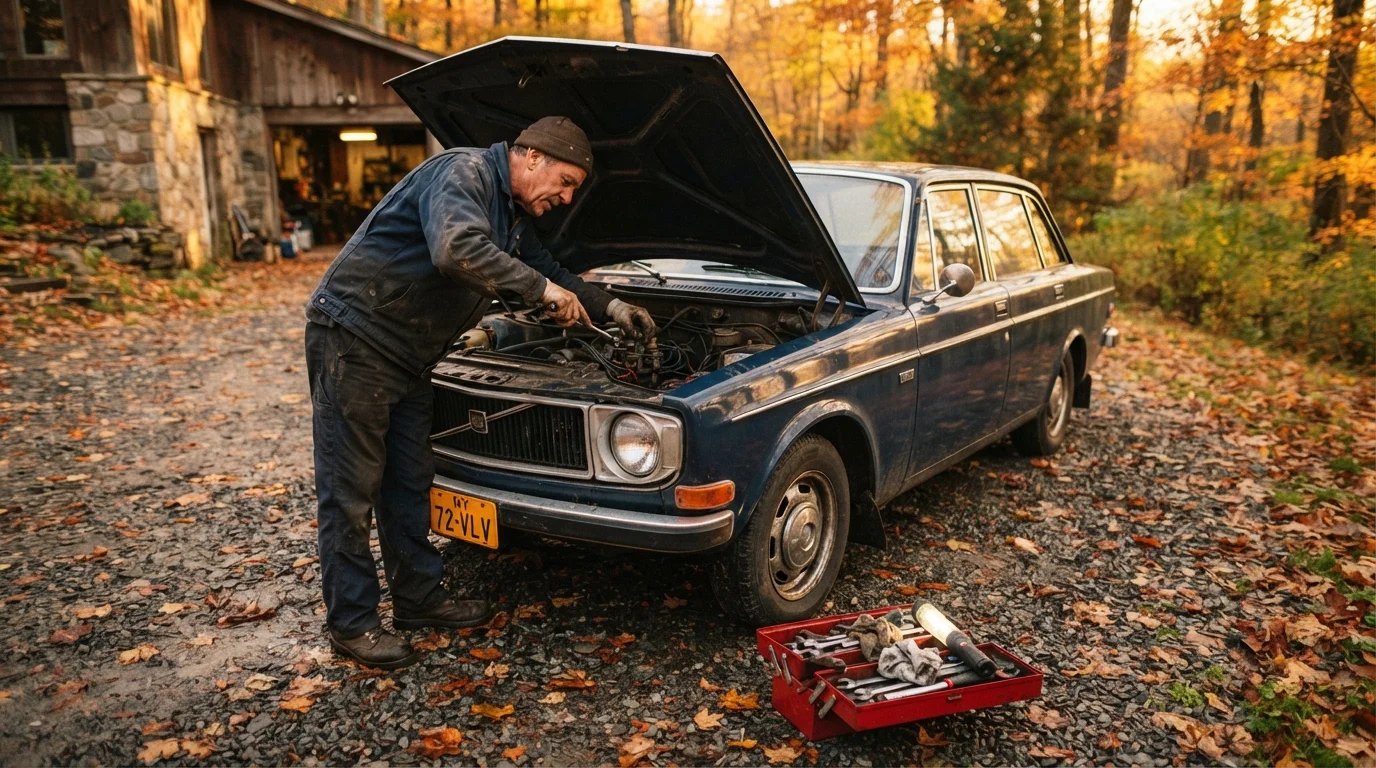
Photo credit: PrimeReads.net | Discover Insightful And Creative Blogs
In this article
What to check and adjust as the seasons change — from battery performance in cold weather to cooling systems in summer heat.
Key Takeaways
- Cold weather stresses batteries, tires, and fluids - check all three before winter arrives.
- Summer heat accelerates coolant degradation and tire pressure fluctuation.
- Wiper blades and lights are quick wins often overlooked during seasonal transitions.
- Many seasonal checks can be done at home in under an hour with basic tools.
- Addressing small issues early typically costs far less than emergency repairs later.
Why Seasonal Checks Matter More Than You Think
Most vehicle problems don't appear without warning - they develop gradually, then surface at the worst possible moment: a February cold snap, a July highway stretch, or a rainy mountain pass. Seasonal transitions are the most reliable trigger for latent issues because temperature swings, road conditions, and driving patterns all shift at once.
This checklist is designed to help you get ahead of those transitions rather than react to them. It's organized by seasonal focus but many items overlap - a battery check in fall, for example, is just as important as one in spring. Use this alongside your owner's manual and the guidance in your car's maintenance schedule for a complete picture of what your specific vehicle needs and when.
Some tasks here are straightforward DIY checks. Others - particularly those involving brake lines, suspension, or cooling system pressure - are better handled by a qualified mechanic. This guide will flag the difference.
Battery and Electrical
Tires and Brakes
Fluids and Cooling System
Filters and Air Systems
Visibility and Safety Systems
Tools and Resources to Have on Hand
You don't need a full workshop to complete most of these checks. A few inexpensive tools and a copy of your owner's manual will cover the majority of items on this list.
Tire pressure gauge
Accurately measure tire PSI when tires are cold, at least once per season and after significant temperature changes.
Owner's manual
Look up manufacturer-specified fluid types, filter part numbers, and service intervals specific to your vehicle.
Coolant tester or test strips
Measure the antifreeze-to-water ratio in your coolant to confirm freeze protection is adequate for your climate.
OBD-II scanner
Read stored fault codes before or after a warning light appears, helping you communicate more precisely with a mechanic.
Flashlight or work light
Inspect tires, engine bay, and undercarriage in low-light conditions during a walk-around inspection.
For deeper diagnostics - especially if a warning light is on - an OBD-II scanner (available at most auto parts stores) can read fault codes before you visit a mechanic. Understanding what the codes mean is a separate step, but having them can save time and money at the shop. See warning signs your car is overdue for a service for a plain-language breakdown of what common symptoms indicate.
Know When to Call a Professional
Several items on this checklist - including brake inspection, cooling system pressure testing, and suspension checks - require proper equipment and training to perform safely. Attempting these without the right tools can result in injury or vehicle damage. When in doubt, a pre-season inspection at a qualified repair shop is money well spent.
Putting It All Together
Seasonal maintenance isn't about doing everything at once - it's about building a rhythm. A quick 20-minute walk-around each season, combined with the targeted checks above, will catch the vast majority of issues before they become expensive. Keep a simple log of what you checked and when; this also helps if you sell the vehicle or need warranty support.
Weather directly affects how your car handles, so pairing these mechanical checks with updated driving habits is smart. If you regularly drive in rain, ice, or fog, adapting your driving to adverse weather conditions covers the technique side of the equation. And if a long trip is coming up, run through the pre-drive safety checklist before you leave the driveway.
Finally, don't let persistent myths derail good habits. Some long-held beliefs - like needing to idle extensively in winter to warm up a modern engine - can actually work against you. Persistent car maintenance myths that can cost you money is worth a read if you want to separate fact from folklore.

Author
Cars Editorial Team
Cars Editorial Team is the collective byline for our editorial team and contributor network. Articles published under this byline or an editorial pen name are researched, written, and reviewed according to our editorial standards for clarity, consistency, and independence before publication.
View all articles →