
Persistent Car Maintenance Myths That Can Cost You Money
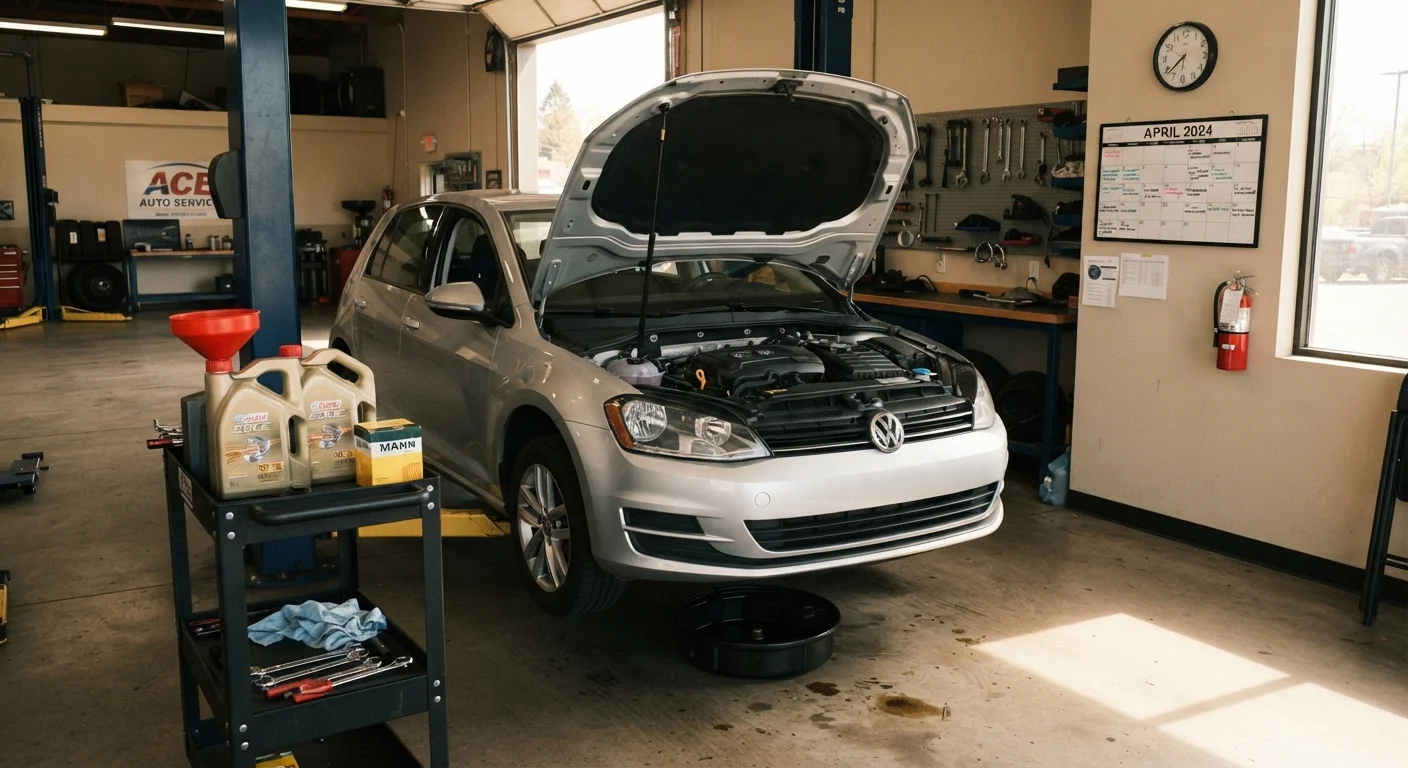
Photo credit: PrimeReads.net | Discover Insightful And Creative Blogs
In this article
From the 3,000-mile oil change rule to warming up your engine in winter — separating car care fact from long-outdated fiction.
Key Takeaways
- Modern engines and synthetic oils mean most vehicles don't need oil changes every 3,000 miles.
- Idling your engine to warm it up in winter is unnecessary and wastes fuel in fuel-injected vehicles.
- Premium fuel provides no benefit to engines not specifically designed to require it.
- Tire pressure should be set to your vehicle's specification, not the number printed on the tire sidewall.
- Flushing all fluids at fixed intervals regardless of condition can be wasteful and unnecessary.
Why Outdated Advice Persists - and What It Costs
Car maintenance myths tend to outlive the technology that originally made them reasonable. Advice that was sound practice for carbureted engines from the 1970s gets passed down as gospel, even as vehicle engineering has fundamentally changed. The result: American drivers collectively spend money on services they don't need while sometimes skipping maintenance that actually matters.
The good news is that your owner's manual - not folklore - is the most reliable guide to maintaining your specific vehicle. Understanding which myths are costing you money is a practical first step. For a broader look at how misconceptions catch new owners off-guard, see common surprises for new car owners.
Myth
You need to change your oil every 3,000 miles, no exceptions.
Fact
Most modern vehicles with conventional oil can go 5,000-7,500 miles between changes; those using full synthetic oil may go 10,000-15,000 miles, depending on the manufacturer's specification.
The 3,000-mile rule dates to an era of older engine designs and lower-quality oil formulations. Today's engines are built to tighter tolerances, and oil technology has advanced considerably. Your owner's manual specifies the correct interval for your engine - following it protects your warranty and your wallet. Changing oil more often than necessary doesn't extend engine life; it just drains your budget. See our plain-language breakdown of oil change intervals and viscosity grades for the full picture.
Myth
You should let your engine idle for several minutes to warm up before driving in cold weather.
Fact
Modern fuel-injected engines warm up faster and more efficiently under light load than sitting at idle - most manufacturers recommend driving gently within about 30 seconds of starting.
Extended idling made sense for carbureted engines that needed time to stabilize fuel delivery. Fuel injection systems, which have been standard on passenger vehicles since the late 1980s, don't have this limitation. Prolonged idling in winter actually allows unburned fuel to wash oil off cylinder walls, increasing wear. It also burns fuel for no productive purpose. A gentle start and easy driving for the first few minutes is the recommended approach for virtually all modern vehicles. For cold-weather preparation more broadly, our seasonal car care guide covers what actually matters.
Myth
Premium fuel makes any car run better and last longer.
Fact
Premium fuel only benefits engines specifically designed and calibrated to require it - putting it in a standard engine provides no measurable performance or longevity advantage.
Higher-octane fuel resists premature ignition (knock) under high compression. If your engine doesn't produce that level of compression - which most everyday passenger vehicles don't - there is no combustion benefit. Your owner's manual will clearly state whether your engine requires premium or merely recommends it. "Requires" means the engine may knock on regular fuel; "recommends" typically means you may see marginal performance gains, but regular fuel is acceptable. Spending the premium-grade price difference on a car that doesn't need it is a straightforward drain on your budget with no return.
Myth
The tire pressure number on the sidewall is the correct inflation level for your car.
Fact
The number on the sidewall is the maximum pressure the tire is rated to handle - your vehicle's correct inflation target is found on the driver's door jamb sticker or in your owner's manual.
Inflating tires to the sidewall maximum typically overinflates them for real-world use, reducing the contact patch with the road, degrading handling, and causing uneven tread wear in the center of the tire. Conversely, underinflation increases rolling resistance, raises fuel consumption, generates excess heat, and accelerates wear on the tire's outer edges. The correct pressure is vehicle-specific, not tire-specific. Check cold inflation against the door jamb specification regularly - monthly is a reasonable habit. Our article on tire pressure and its broader effects covers the safety and handling dimensions in more detail.
Myth
You should flush all your vehicle's fluids - brake, transmission, coolant - on a strict annual schedule.
Fact
Fluid service intervals vary significantly by fluid type and vehicle, and replacing fluids before they've degraded wastes money without providing a maintenance benefit.
Brake fluid, transmission fluid, and coolant each have different service lives and degradation characteristics. Many manufacturers specify transmission fluid intervals of 60,000-100,000 miles under normal driving conditions; coolant may last several years or more depending on type. Blanket annual fluid flushes are not a manufacturer-recommended standard for most vehicles - they are a common upsell. Check your owner's manual for each fluid's service schedule. If a shop recommends a flush outside those intervals, it's reasonable to ask what specific condition or test result prompted the recommendation. For coolant specifics, see our overview of engine cooling and antifreeze.
Applying What You Know: Practical Takeaways
The consistent thread across these myths is the same: consult your owner's manual first, and treat interval recommendations from service providers with healthy skepticism unless they align with the manufacturer's guidance. A documented maintenance history - tracking what was actually done and when - also helps you avoid duplicate services and spot genuine patterns. Our guide on keeping a vehicle service record explains exactly how to build one.
Knowing which jobs you can handle yourself and which require a qualified mechanic is equally valuable. Our DIY vs. mechanic guide offers a grounded breakdown. The goal isn't to be suspicious of every service recommendation - it's to be an informed owner who asks the right questions and makes decisions based on your vehicle's actual needs, not outdated assumptions.
When in Doubt, Check the Manual - Not the Internet
Your vehicle's owner's manual is written by the engineers who designed your specific engine and drivetrain. Generic online advice - including interval recommendations on service reminder stickers - may not match your vehicle's actual requirements. Before paying for any service, cross-reference it against the manufacturer's maintenance schedule in your manual or the automaker's official website. Skipping genuinely required maintenance is equally costly, so the goal is accuracy in both directions.

Author
Cars Editorial Team
Cars Editorial Team is the collective byline for our editorial team and contributor network. Articles published under this byline or an editorial pen name are researched, written, and reviewed according to our editorial standards for clarity, consistency, and independence before publication.
View all articles →