
Night Driving Demands a Different Skillset - Here's What to Know
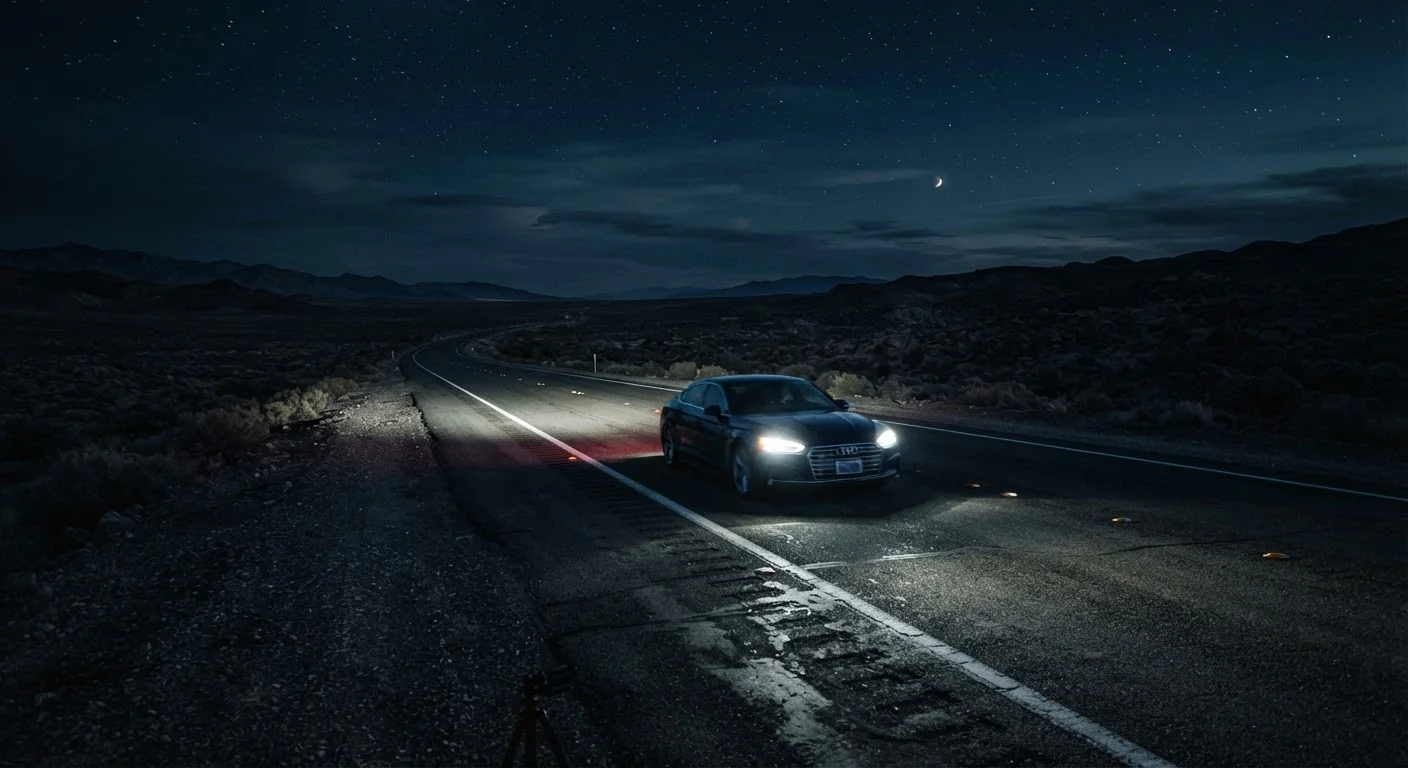
Photo credit: PrimeReads.net | Discover Insightful And Creative Blogs
In this article
Reduced visibility, altered depth perception, and driver fatigue make night driving uniquely risky. Learn the habits that experienced drivers rely on after dark.
Key Takeaways
- Night driving fatalities are disproportionately high relative to miles driven after dark.
- Reduced visibility, impaired depth perception, and driver fatigue compound each other at night.
- Adjusting speed, headlight use, and following distance are the highest-impact defensive habits.
- Keeping your windshield clean and eyes moving actively counters the brain's tendency to zone out.
- Recognizing early signs of drowsiness - not pushing through them - is a critical safety skill.
Why Night Driving Is Statistically More Dangerous
Darkness doesn't just make it harder to see - it fundamentally changes the driving environment. According to the National Safety Council, traffic fatality rates per mile driven are roughly three times higher at night than during daylight hours. Yet traffic volume is significantly lower after dark, which means the danger isn't about congestion; it's about impaired visual conditions and compromised driver state.
Human eyes are not optimized for driving at speed in low light. Peripheral vision narrows, depth perception becomes less reliable, and color recognition fades. Oncoming headlights can cause temporary glare that takes several seconds to recover from - seconds during which a driver is effectively navigating blind. Add fatigue into the mix, and the risk compounds quickly. Understanding why night driving is harder is the first step toward driving it better.
For new drivers especially, building solid nighttime habits early matters enormously. See our foundational road awareness guide for the core scanning and anticipation skills that translate directly to night conditions.
Core Practices for Safer Night Driving
The following practices reflect what experienced, safety-conscious drivers consistently apply after dark. None require special equipment - just deliberate habit adjustment.
Use your high beams on unlit roads - and know when to switch back.
High beams can extend your visible range from roughly 160 feet to 350-400 feet, giving you significantly more time to react to hazards. Many drivers underuse them out of habit, then fail to dim them promptly for oncoming traffic, which causes dangerous glare for other drivers.
Increase your following distance and reduce speed after dark.
Your headlights illuminate a fixed distance ahead of you, but your stopping distance increases with speed. At 60 mph, a vehicle needs roughly 180 feet to stop - yet standard low beams illuminate only about 160 feet. Slowing down and adding space to the car ahead closes that gap between what you can see and what you need to stop in time.
Keep your windshield and mirrors clean - inside and out.
A film of grime on the inside of a windshield that's nearly invisible in daylight creates significant glare and hazing at night when struck by oncoming headlights. The same applies to mirrors. Dirty glass is a stealth visibility hazard most drivers never address.
Scan actively and keep your eyes moving across the road ahead.
In low light, the brain tends toward tunnel vision - fixating on the lit area directly ahead. Active scanning - deliberately moving your eyes from side to side and checking mirrors regularly - helps you detect movement at the edges of your headlight range and reduces the zoning-out effect common on monotonous night roads.
Dim your instrument cluster and avoid interior light sources.
Bright dashboard lights or a lit phone screen impair your eyes' ability to adapt to darkness - a process called dark adaptation. The brighter your cabin, the less your pupils dilate, reducing your ability to perceive low-light detail outside the vehicle.
Fatigue: The Invisible Night Hazard
Drowsiness is one of the most underestimated risks behind the wheel, and it peaks in the hours most people drive at night - particularly between midnight and 6 a.m. The brain's circadian rhythm suppresses alertness during these windows regardless of how rested a driver feels at the start of the trip.
Warning signs include difficulty keeping eyes focused, drifting between lanes, missing exits, and the unsettling experience of not remembering the last few miles. Crucially, many drowsy drivers believe they are performing adequately right up until a microsleep episode - a brief, involuntary lapse of consciousness lasting seconds. At highway speeds, seconds cover hundreds of feet.
Our article on how fatigue affects reaction time breaks down the specific cognitive and physical impairments that tiredness causes - many of which mirror alcohol impairment in measurable ways. If you feel drowsy, the only reliable fix is rest. Caffeine and open windows provide temporary relief at best.
Environmental Factors That Make Night Driving Harder
Beyond personal fatigue and visibility, the road environment itself shifts at night. Wildlife crossings spike after dusk - deer, in particular, are far more active at dawn and dusk. Pedestrians and cyclists are dramatically harder to spot, especially if they're not wearing reflective gear. Road hazards like potholes, debris, and unmarked construction zones that are obvious in daylight become genuine surprises in the dark.
Rural roads present a distinct challenge: no streetlights, unpredictable animal crossings, and sharp curves that headlights may not fully illuminate before you're already in them. Our comparison of urban and rural driving environments covers how to adjust your approach depending on road type - advice that becomes especially relevant at night.
Weather compounds all of these factors. Rain and fog scatter headlight beams and reduce effective range significantly. If night driving under adverse conditions is something you encounter regularly, our guide on driving in rain, ice, and fog addresses how each condition changes stopping distances and what compensations are most effective.
This article is for general informational purposes only. Always exercise personal judgment and follow applicable traffic laws when driving.

Author
Cars Editorial Team
Cars Editorial Team is the collective byline for our editorial team and contributor network. Articles published under this byline or an editorial pen name are researched, written, and reviewed according to our editorial standards for clarity, consistency, and independence before publication.
View all articles →