
What Happens to Your Reaction Time When You're Tired
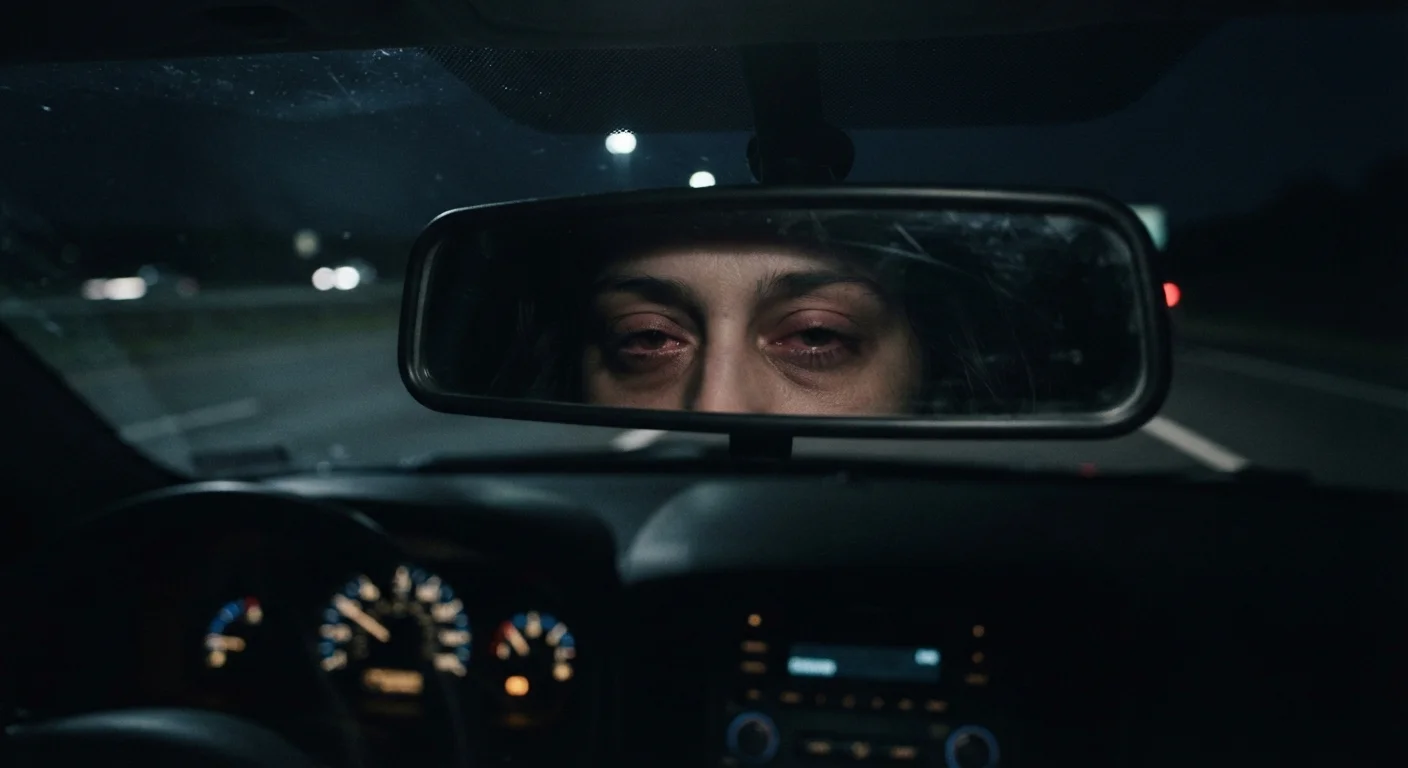
Photo credit: PrimeReads.net | Discover Insightful And Creative Blogs
In this article
Fatigue impairs driving in ways most people underestimate. This article explains how tiredness affects reaction time, decision-making, and lane awareness.
Key Takeaways
- Fatigue slows your reaction time, sometimes by fractions of a second that translate into dozens of extra feet of stopping distance.
- Drowsy drivers often cannot accurately judge their own level of impairment - a key reason fatigue is so dangerous.
- Microsleeps - involuntary sleep episodes lasting 1-4 seconds - can occur without the driver being aware.
- Highway monotony accelerates fatigue onset, making long straight roads particularly risky.
- Caffeine and rest stops help temporarily, but only genuine sleep fully restores cognitive driving ability.
Why Fatigue Is More Than Just Feeling Sleepy
Most drivers think of fatigue as something that happens after a red-eye flight or an all-nighter - an obvious, extreme state they'd recognize immediately. The reality is more complicated. Fatigue exists on a spectrum, and cognitive performance starts degrading before you ever feel dramatically sleepy. By the time your eyelids feel heavy behind the wheel, your reaction time, lane tracking, and decision-making have already been compromised for a while.
The brain doesn't handle drowsiness gracefully. Rather than shutting down uniformly, it begins dropping functions that feel automatic - sustained attention, spatial awareness, and the ability to anticipate hazards rather than just react to them. This is what makes fatigue so insidious: the driver often feels fine right up until they don't.
For a broader look at how multiple factors erode driver awareness, see our comprehensive safe driving guide.
What Happens Inside the Brain and Body
When you're sleep-deprived, the prefrontal cortex - which governs attention, planning, and error correction - becomes less active. Your brain starts relying on more automatic, reactive pathways instead of deliberate ones. The practical result: you respond more slowly, make poorer judgments about gaps in traffic, and are less able to anticipate what other road users are about to do.
Reaction time - measured from the moment a hazard appears to when you begin physically braking - typically sits around 1.5 seconds for a rested, alert driver. Fatigue can stretch this meaningfully. At 60 mph, each additional quarter-second of delay means roughly 22 extra feet traveled before you start slowing down. That gap adds up fast in real traffic situations.
~1.5 sec
Average reaction time for a rested driver
Commonly cited in driver safety research as a baseline for alert, well-rested adults under normal conditions.
350 ft
Distance traveled in a 4-second microsleep at 60 mph
Calculated from basic physics; underscores how brief unconscious episodes become serious hazards at highway speeds.
18 hrs
Hours awake before impairment comparable to 0.05% BAC
Cited in fatigue and driving research; impairment levels vary by individual and sleep quality.
There's also the phenomenon of microsleeps - brief, involuntary episodes where the brain essentially drops offline for 1 to 4 seconds. The driver is unaware this has happened. At highway speeds, even a 2-second microsleep covers over 175 feet of uncontrolled travel. This is one reason fatigue is especially dangerous on monotonous stretches - the kind covered in our guide to motorway driving hazards.
How Fatigue Interacts With Other Driving Conditions
Fatigue doesn't operate in isolation. When tiredness combines with other demanding conditions, the risks multiply. Driving at night compounds fatigue because low light requires more cognitive effort to process visual information, and the circadian rhythm naturally signals the body to sleep in overnight hours. Night driving presents its own hazards even for rested drivers - adding fatigue to that equation significantly raises the stakes.
Similarly, adverse weather forces drivers to make faster, more frequent micro-adjustments - something a tired driver's slower neural processing handles poorly. Wet or icy roads already extend stopping distances; a delayed reaction because of fatigue adds further distance on top of that. See how rain, ice, and fog change driving dynamics for context on those compounding demands.
Even passengers can play a role. A quiet car with little conversation may accelerate drowsiness, while cabin dynamics with passengers can either help or hurt alertness depending on the interaction.
Recognizing the Warning Signs and Managing the Risk
The most reliable early indicators of fatigue-related impairment include: repeated yawning, difficulty holding a consistent lane position, slowed response to traffic signals, mental blankness about the last few miles driven, and a tendency to follow the car ahead too closely without noticing. Any of these is a signal to take a break.
The 20-Minute Nap Technique
If you pull over because fatigue is setting in, a short nap of around 20 minutes can provide a temporary alertness boost before caffeine fully kicks in. Drink a coffee immediately before the nap, then set an alarm - waking up before entering deep sleep leaves you feeling more refreshed. This is a short-term measure only; resume driving only when genuinely safe to do so.
Practical mitigation starts before you get in the car. Prioritizing adequate sleep the night before a long drive is the most effective measure available. If you're already on the road and feel fatigue setting in, options include pulling over and taking a short nap (even 20 minutes can temporarily restore alertness), consuming caffeine and waiting 15-20 minutes for it to take effect, or switching drivers. What none of these does is fully restore the reaction speed and judgment that genuine sleep provides - they buy time, not full recovery.
The broader principle is simple: fatigue is a legitimate impairment, not a personal failing or minor inconvenience. Treating it seriously - before and during a trip - is a core component of defensive driving.
Frequently Asked Questions

Author
Cars Editorial Team
Cars Editorial Team is the collective byline for our editorial team and contributor network. Articles published under this byline or an editorial pen name are researched, written, and reviewed according to our editorial standards for clarity, consistency, and independence before publication.
View all articles →