
Defensive Driving: What It Actually Means Behind the Wheel
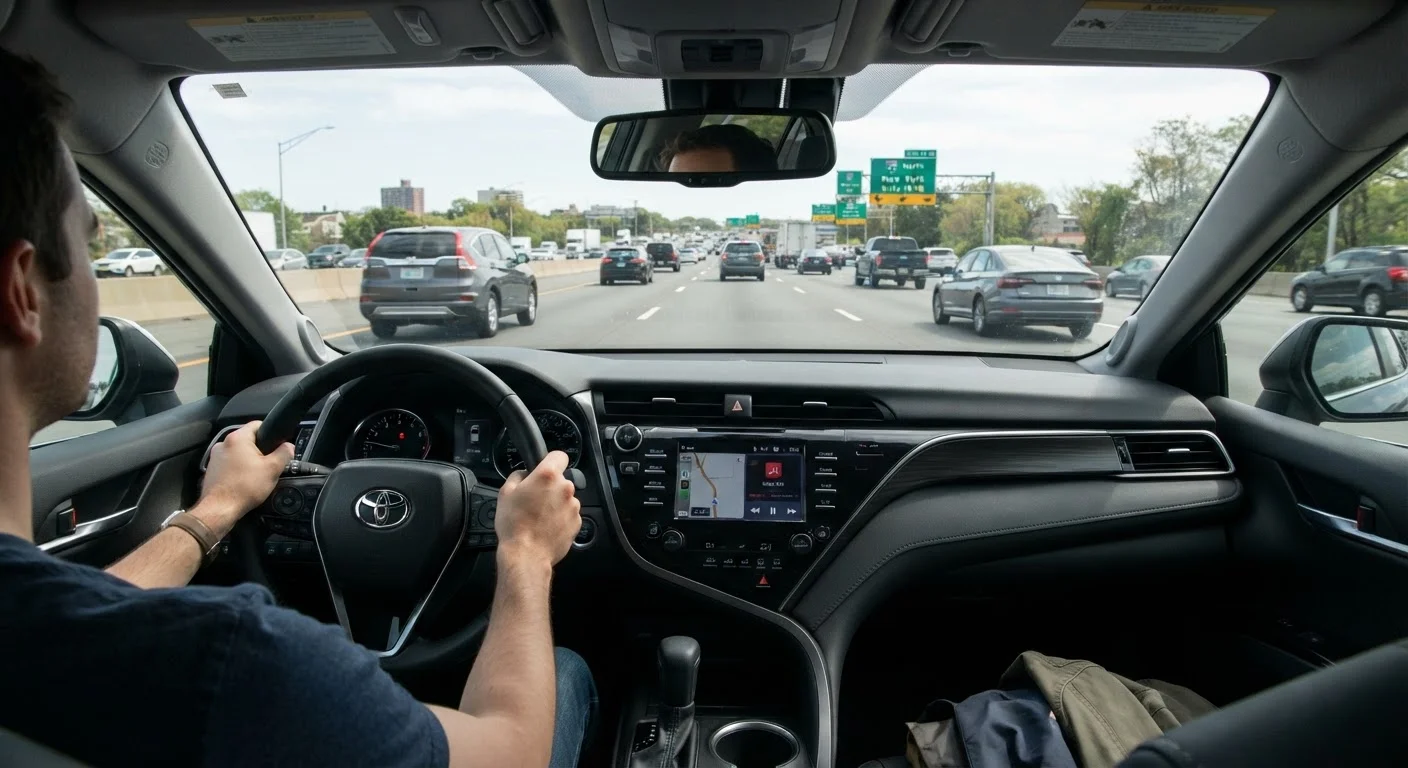
Photo credit: PrimeReads.net | Discover Insightful And Creative Blogs
In this article
Defensive driving goes beyond following rules. Learn the core mindset and habits that help drivers anticipate hazards before they become emergencies.
Key Takeaways
- Defensive driving is proactive, not reactive - it's about anticipating hazards before they develop.
- Following traffic laws is necessary but not sufficient; road conditions and driver behavior require constant judgment.
- Maintaining adequate following distance is one of the most consistently effective defensive habits.
- Scanning well ahead - not just at the car in front - gives you more time to respond.
- Fatigue, distraction, and overconfidence are among the most common barriers to defensive driving.
- The mindset matters as much as the techniques: assume others will make mistakes.
The Core Mindset: Assume Others Will Make Mistakes
The foundation of defensive driving isn't a specific technique - it's a mindset. Defensive drivers operate under the working assumption that someone around them will make an error at some point: a sudden lane change, a rolling stop, a pedestrian stepping off the curb. Rather than responding with frustration, they build in the time and space to respond safely.
This matters because most serious crashes aren't caused by a single failure - they're caused by a chain of small errors that compound. A defensive driver's job is to break that chain early. That means staying out of situations where someone else's mistake becomes your problem.
For new or developing drivers, this mindset is the first thing worth internalizing. See our guide to road awareness for new drivers for a closer look at how scanning and anticipation develop as foundational habits.
“The goal of defensive driving is not to assume the worst about other drivers - it's to give yourself enough time and space that you don't need them to be perfect.”
— National Safety Council, U.S. nonprofit organization focused on eliminating preventable injuries and deaths
Scanning Ahead: What You Look at Changes Everything
One of the most common errors among less experienced drivers is fixating on the vehicle directly in front. Defensive driving demands a wider, further-reaching visual field. Experienced drivers routinely scan 10 to 15 seconds ahead - not to watch every car individually, but to read traffic flow, spot brake lights early, and identify developing hazards in time to respond gradually rather than abruptly.
This includes checking mirrors every five to eight seconds and being aware of your blind spots before any lane change or merge. The goal isn't to monitor everything simultaneously - that's not possible. It's to develop a rhythm of attention that keeps your information current.
Road environment shapes what you need to watch. A busy urban intersection demands attention to pedestrians, cyclists, and turning vehicles simultaneously. A rural highway at night compresses your available reaction distance significantly. How safe driving changes by environment is worth understanding in depth - the hazards shift considerably depending on where you're driving.
Speed, Space, and Following Distance
Two variables you control at all times are your speed and your following distance - and they're closely linked. The faster you travel, the longer it takes to stop, and the less margin you have when something unexpected occurs ahead.
The commonly cited three-second rule offers a practical baseline: choose a fixed roadside point, watch the vehicle in front pass it, and count to three before you pass the same point. If you arrive sooner, you're too close. In wet weather, low visibility, or heavy loads, extending that gap to four or five seconds is appropriate.
Speed limits represent a legal minimum standard for typical conditions - not a target to match regardless of circumstances. Speed limits and safe speed aren't always the same thing - understanding that difference is central to genuine defensive driving rather than just rule-following.
Build the Following Distance Habit First
If you're working on defensive driving skills, following distance is the single easiest habit to improve immediately and one of the most impactful. Next time you drive, consciously count the seconds between you and the car ahead at a consistent road marking. Most drivers discover they're running well under the recommended gap.
Fatigue, Distraction, and Overconfidence: The Hidden Barriers
Technique only works if your attention is fully engaged. Three factors consistently undermine even experienced drivers: fatigue, distraction, and overconfidence.
Fatigue impairs reaction time, narrows attention, and degrades judgment - effects that can match or exceed those of moderate alcohol impairment. Long highway stretches are particularly deceptive because monotony accelerates drowsiness while the absence of immediate hazards creates a false sense of security. Night driving demands its own skill set, partly because fatigue risk compounds after dark.
Distraction - particularly from phones - removes attention precisely when it's needed most. Even hands-free conversation has been shown in research to reduce situational awareness. And overconfidence is subtler: the belief that skill eliminates risk leads drivers to cut safety margins they actually need.
Recognizing these barriers honestly is itself a defensive habit. If you're tired, distracted, or rushing, your ability to manage road hazards drops - regardless of your experience level.
Frequently Asked Questions

Author
Cars Editorial Team
Cars Editorial Team is the collective byline for our editorial team and contributor network. Articles published under this byline or an editorial pen name are researched, written, and reviewed according to our editorial standards for clarity, consistency, and independence before publication.
View all articles →