
Reading Your Vehicle Service Schedule Without the Jargon
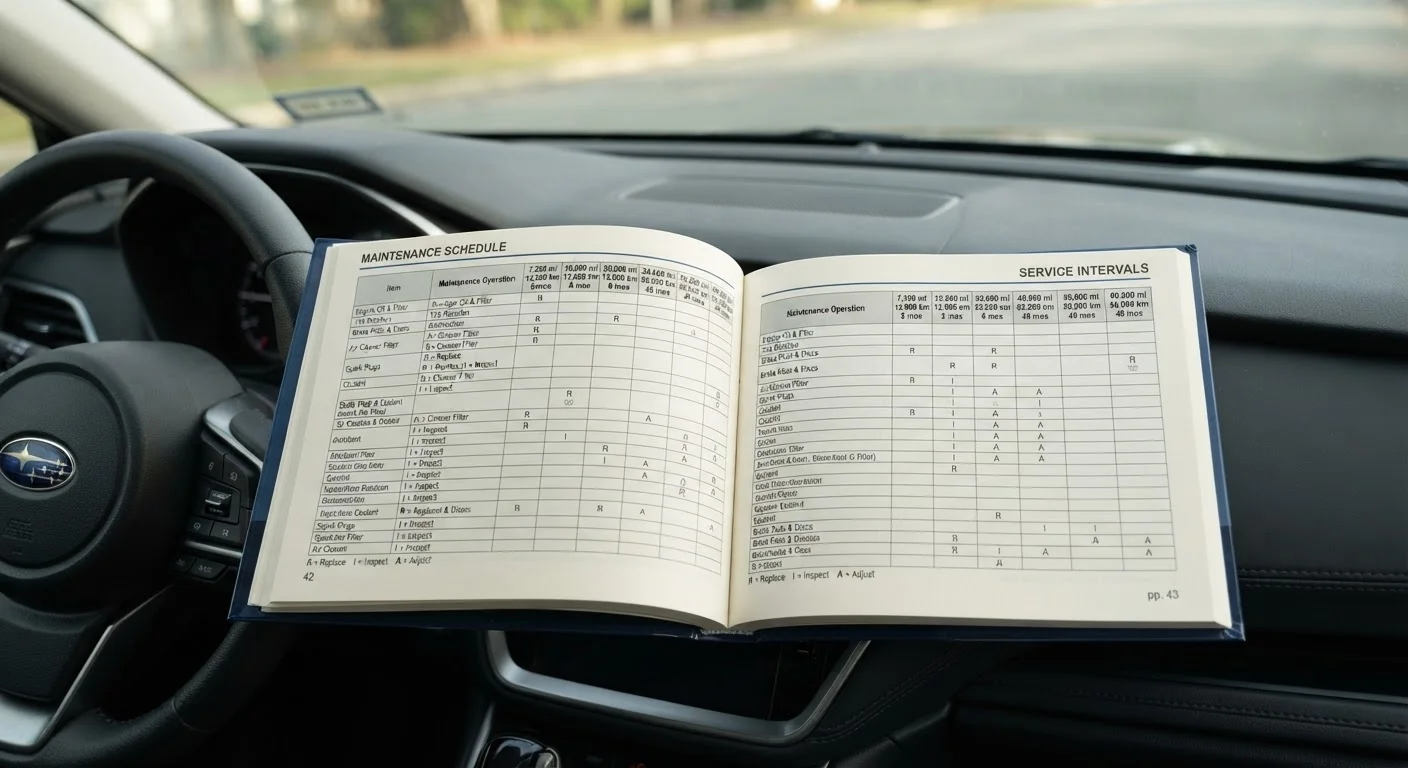
Photo credit: PrimeReads.net | Discover Insightful And Creative Blogs
In this article
Service booklets can feel impenetrable. This guide decodes common service intervals, what each check involves, and why skipping them has real consequences.
Key Takeaways
- Your vehicle's service schedule lives in the owner's manual - not the dealership's recommended menu.
- Service intervals are measured by mileage, time, or both - whichever comes first applies.
- Most routine checks are straightforward; understanding them helps you spot unnecessary upsells.
- Skipping services can void warranties, shorten component life, and create larger repair bills.
- Keeping a written or digital service record protects resale value and simplifies future diagnostics.
What a Service Schedule Actually Is
A vehicle service schedule is a manufacturer-defined maintenance plan specifying which checks and replacements your car needs, and how often. It lives in your owner's manual - typically under a heading like "Maintenance Schedule" or "Scheduled Maintenance" - and it's based on your vehicle's engineering, not on a shop's revenue targets.
Two versions of a schedule often appear side by side: one for normal driving conditions and one for severe duty conditions. Severe duty accounts for driving patterns that accelerate wear - lots of short trips, heavy towing, dusty environments, or extreme hot or cold climates. If most of your driving fits that profile, the shorter severe-duty intervals apply to you.
For a broader look at how maintenance fits into the full picture of vehicle ownership, the Car Maintenance hub is a practical starting point.
Decoding Common Service Intervals
Service intervals are expressed in miles, months, or both. The standard rule: whichever comes first is the one that counts. Here's what the most common benchmarks typically mean:
- Every 3,000-7,500 miles (or 3-12 months): Oil and filter change. Interval varies significantly depending on whether your car uses conventional or full-synthetic oil - check your manual for the exact figure.
- Every 15,000-30,000 miles: Air filter inspection or replacement, cabin air filter, tire rotation, brake inspection.
- Every 30,000-60,000 miles: Transmission fluid, coolant flush, spark plugs (in many vehicles), and drive belts.
- Every 60,000-100,000 miles: Timing belt (if equipped - not all vehicles have one), battery, and fuel system inspection.
These are general reference points. Your owner's manual supersedes all of them for your specific vehicle.
Service interval
The mileage or time period after which a specific maintenance task is due - for example, every 5,000 miles or every 6 months.
Severe duty conditions
Driving patterns that put above-average strain on a vehicle, such as frequent short trips, towing, or extreme temperatures, requiring shorter maintenance intervals.
Synthetic oil
A type of engine oil made from chemically engineered compounds that typically lasts longer and performs better at temperature extremes than conventional mineral oil.
Coolant flush
A service where old engine coolant (the liquid that prevents overheating and freezing) is drained and replaced with fresh fluid.
Timing belt
A rubber belt inside the engine that keeps key components synchronized. If it fails, it can cause serious engine damage - replacement is a critical milestone for vehicles that have one.
Brake rotor
The metal disc that brake pads clamp onto to slow the vehicle. Rotors can warp or wear thin over time, especially if pads are left too long before replacement.
What Each Service Check Involves
Knowing what actually happens during a service appointment helps you confirm the work was done - and recognize when something on the menu isn't necessary.
- Oil and filter change
- Old engine oil is drained and replaced with fresh oil matched to your engine's specification. The filter, which traps contaminants, is also swapped out.
- Tire rotation
- Tires are moved between positions (front to rear, side to side) to even out wear patterns. Uneven wear shortens tire life and can affect handling.
- Brake inspection
- A technician measures pad thickness and checks rotors for wear, warping, or corrosion. This is a safety check, not just a mileage formality.
- Fluid top-offs
- Coolant, brake fluid, power steering fluid, and windshield washer fluid are checked and topped up as needed. Some - like brake fluid - degrade over time and need full replacement on a longer cycle.
- Air filter replacement
- A clogged engine air filter reduces fuel efficiency and engine performance. Cabin air filters affect interior air quality and HVAC performance.
For tasks you may be able to handle yourself versus those that genuinely need a professional, see what you can reasonably do yourself vs. when to see a mechanic.
Why Skipping Services Has Real Costs
Deferred maintenance compounds. A missed oil change accelerates engine wear. A neglected coolant flush can cause overheating. Worn brake pads left unchecked eventually damage rotors - turning a relatively modest replacement job into a significantly more expensive one.
There are also warranty implications. Most new-vehicle warranties require documented proof that scheduled maintenance was performed. Skipping services and lacking records can give a manufacturer grounds to decline a warranty claim - even if the failure seems unrelated.
Resale value is another practical concern. A vehicle with a complete, documented service history commands more buyer confidence and, generally, a better price. Keeping a vehicle service record explains how to build and maintain that history in a way that actually pays off.
Check the Manual Before Approving Any Add-On
When a service advisor recommends an item not on your schedule, ask them to point to where your owner's manual recommends it. Most advisors are acting in good faith, but some upsells - like frequent fuel injector cleaning - aren't required by the manufacturer. Verifying against your manual is a simple, polite way to make sure you're paying only for what your vehicle actually needs.
How to Stay on Top of Your Schedule
Consistency is easier when you have a system. A few straightforward approaches:
- Note your mileage thresholds. After each service, write the next due mileage on a sticky note in the glove box or add it to your phone's calendar with a reminder.
- Use a service log. Whether a physical booklet in the glovebox or a simple spreadsheet, logging each service with the date, mileage, and work done creates the paper trail that protects your warranty and resale value.
- Cross-reference with the seasons. Some maintenance tasks align naturally with season changes - battery checks before winter, cooling system checks before summer. Seasonal car care covers this in more detail.
- Know the warning signs. If something feels or sounds wrong between scheduled services, don't wait for the next interval. Warning signs your car is overdue for a service lists what to watch for.
A service schedule isn't bureaucratic paperwork - it's a maintenance contract between you and your vehicle. Reading it clearly is the first step to getting real value from it.
Frequently Asked Questions

Author
Cars Editorial Team
Cars Editorial Team is the collective byline for our editorial team and contributor network. Articles published under this byline or an editorial pen name are researched, written, and reviewed according to our editorial standards for clarity, consistency, and independence before publication.
View all articles →