
Buying a Used Car: What to Verify Before You Commit
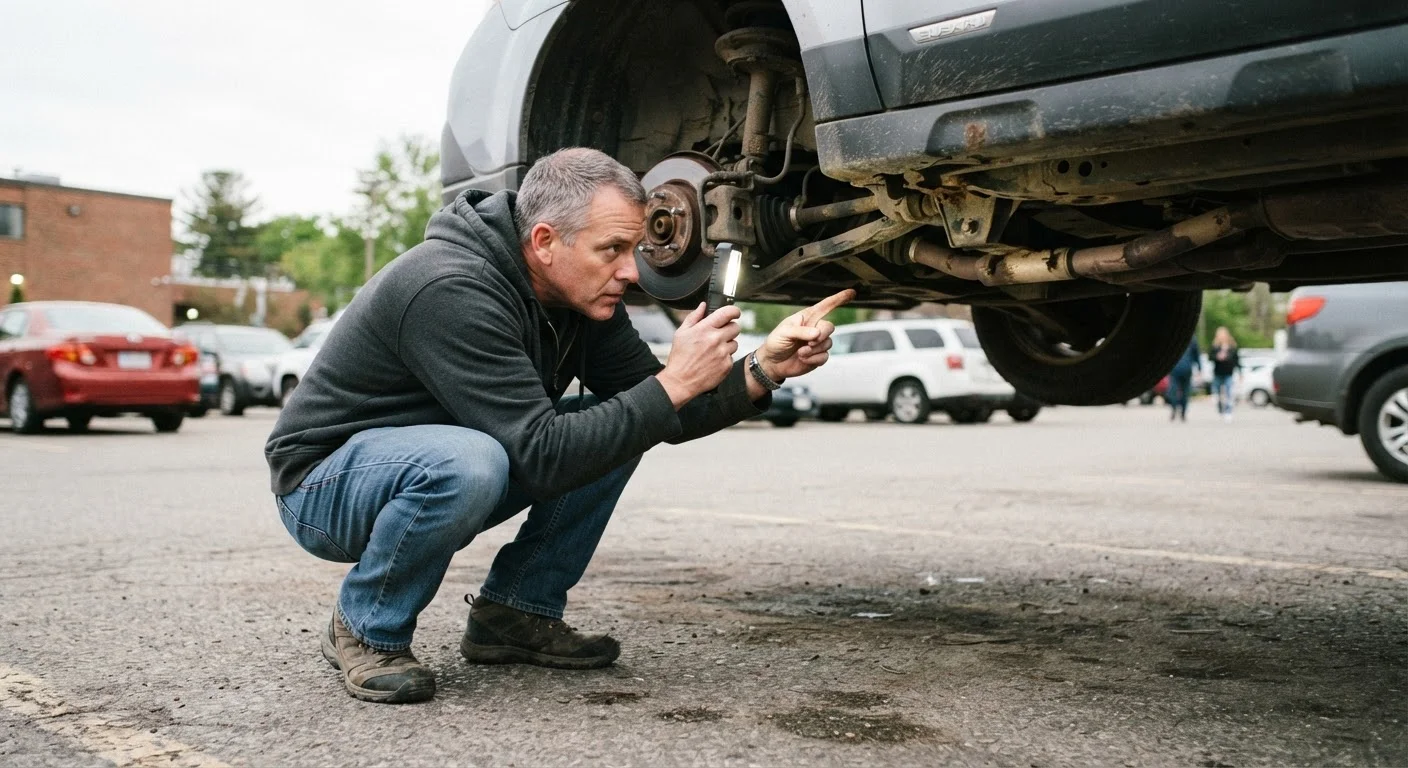
Photo credit: PrimeReads.net | Discover Insightful And Creative Blogs
A secondhand vehicle carries history you can't always see. Use this checklist to systematically assess condition, documentation, and ownership records.
Key Takeaways
- A vehicle history report is a baseline tool, not a guarantee - physical inspection still matters.
- Unresolved liens on a used car can transfer financial liability to the new owner.
- A pre-purchase inspection by an independent mechanic is one of the highest-value steps in any used car purchase.
- Odometer discrepancies between documents and the dashboard are a serious red flag.
- Matching VIN numbers across the car, title, and history report confirms the vehicle's identity.
Why Verification Matters Before Signing Anything
A used car is someone else's chapter - and you're inheriting everything that happened during it. Some of that history is visible; most isn't. Rust hides under floor mats. Accident repairs are masked by fresh paint. Odometer fraud still occurs. And liens that the seller never mentioned can follow the title directly to your name.
This checklist is designed to work systematically, so you're not relying on gut feel or a seller's assurances. It covers documentation, physical condition, mechanical health, and financial encumbrances. Work through it in order, and bring someone with you when possible - a second set of eyes catches things a single viewer misses under time pressure.
For context on the full scope of what vehicle ownership involves financially and legally, see this overview of vehicle ownership costs and responsibilities.
Documentation Review
Identity and VIN Verification
Exterior and Structural Inspection
Interior and Electrical
Mechanical Assessment
Financial and Legal Considerations
What to Bring and How to Prepare
Arriving prepared changes the dynamic of the inspection. You'll spend less time scrambling and more time evaluating. Print or download this checklist in advance, and gather the tools and information listed below before you visit.
VIN history report service
Pulls accident records, ownership history, title status, and odometer readings tied to the vehicle's VIN.
Flashlight or work light
Illuminates the undercarriage, engine bay, and interior corners that aren't visible in ambient light.
OBD-II diagnostic scanner
Reads stored trouble codes from the vehicle's computer that may not trigger a visible dashboard warning light.
Paint depth gauge
Detects unusually thick paint layers that suggest bodywork or filler has been applied after a collision.
Independent mechanic
Conducts a professional pre-purchase inspection, including a lift inspection of the undercarriage and drivetrain.
One step that many buyers skip: requesting the vehicle's service records from the seller before the visit. A seller who genuinely has them will share them without hesitation. If records are missing or vague, factor that into your assessment. Understanding why documented maintenance history matters is worth reviewing - keeping a vehicle service record explains what a complete record should contain and why gaps are significant.
Never Skip the Independent Inspection
A vehicle that looks clean and drives acceptably during a short test drive can still carry significant hidden problems - worn suspension components, hairline frame cracks, or a failing transmission in early stages. An independent mechanic's inspection typically costs between $100 and $200 and can surface issues that would cost far more to fix after purchase. If a seller refuses to allow an independent inspection, treat that refusal as a serious warning sign.
Once you've completed your purchase, be aware that first-time ownership brings its own set of financial surprises. Common misconceptions among new car owners covers the assumptions that most frequently lead to unexpected costs.

Author
Cars Editorial Team
Cars Editorial Team is the collective byline for our editorial team and contributor network. Articles published under this byline or an editorial pen name are researched, written, and reviewed according to our editorial standards for clarity, consistency, and independence before publication.
View all articles →