
Southeast Asia on a First Trip: Thailand, Vietnam, or Indonesia?
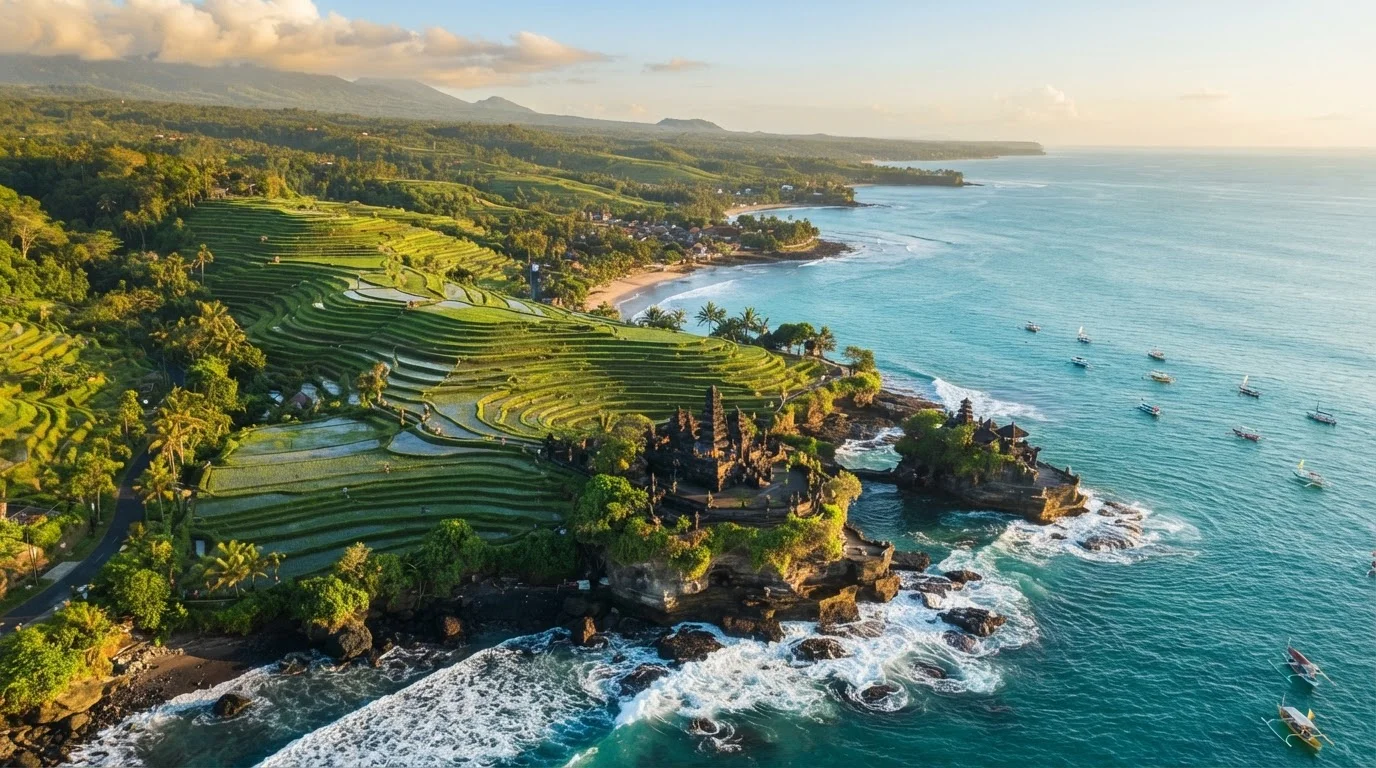
Photo credit: PrimeReads.net | Discover Insightful And Creative Blogs
In this article
A candid comparison of three popular entry points to Southeast Asia, covering infrastructure, pace, and accessibility.
Key Takeaways
- Thailand offers the most developed tourism infrastructure, making it forgiving for first-time international travelers.
- Vietnam rewards curious travelers with a clear north-to-south route and strong food culture, though logistics require more planning.
- Indonesia's scale demands careful itinerary choices - Bali is accessible, but the archipelago's breadth can overwhelm without preparation.
- Entry requirements, visa policies, and health recommendations vary - always verify with official government sources before booking.
- Your travel style, pace preference, and available time are the most reliable guides to choosing between these three destinations.
Why These Three Countries Come Up First
When first-time visitors research Southeast Asia, Thailand, Vietnam, and Indonesia consistently appear at the top of the list - and for good reason. Each country has invested meaningfully in visitor infrastructure, offers a wide range of experiences within its borders, and has an established community of English-speaking guides, guesthouses, and transport options. But they are not interchangeable. Understanding what makes each destination distinct will save you from choosing one that doesn't match your travel style or available time.
Before committing to any destination, it helps to go through the fundamentals of international trip planning. Our ground-up guide to planning your first international trip walks through passports, visas, and budgeting in practical terms.
Thailand: The Established Entry Point
Thailand has the most mature tourism infrastructure in the region. Major hubs like Bangkok, Chiang Mai, and Phuket are well connected by domestic flights, reliable trains, and organized bus networks. English is widely used in restaurants, hotels, and transit hubs in tourist-heavy areas. This reduces the friction that can make first international trips stressful.
The country also offers clear geographic variety within a manageable area: urban energy in Bangkok, cultural depth in the north, and coastline in the south. A two-week itinerary can realistically cover two or three distinct regions without feeling rushed.
The trade-off is that Thailand's most popular corridors can feel heavily touristed. Travelers seeking off-the-beaten-path solitude will need to plan more carefully or travel during shoulder seasons.
Timing Matters More Than You Think
Each country has a distinct monsoon season that significantly affects travel conditions. Thailand's regions experience different wet seasons - the south and the north are often offset by months. Vietnam's center and south follow separate rainfall patterns from the north. Bali's dry season (roughly May through September) is the most popular window. Research weather patterns by specific region and month, not just by country, before locking in your travel dates.
Vietnam: Structure Rewards the Prepared Traveler
Vietnam's long, narrow geography creates a natural north-to-south (or reverse) travel corridor - from Hanoi in the north through Hội An and Đà Nẵng in the center, down to Hồ Chí Minh City in the south. This built-in structure is genuinely helpful for itinerary planning, though it also means most travelers cover significant ground and need to budget time accordingly.
Food culture is a standout feature: regional dishes vary considerably between cities, and eating well is often inexpensive. Urban street food scenes in Hanoi and Hội An are widely considered among Southeast Asia's strongest.
Vietnam requires slightly more logistical preparation than Thailand. Domestic transport options - including sleeper trains and budget airlines - are plentiful but benefit from advance booking. Visa requirements have changed in recent years, so travelers should check current entry requirements directly with official Vietnamese government sources or their home country's foreign affairs department before travel.
| Thailand | Vietnam | Indonesia (Bali focus) | |
|---|---|---|---|
| Infrastructure for first-timers | Highly developed tourist trail | Well-organized, requires planning | Strong in Bali, variable elsewhere |
| English language accessibility | Widely spoken in tourist areas | Common in tourist zones, less rural | Widely spoken in Bali |
| Recommended trip length | 1-3 weeks | 2-3 weeks minimum | 1-2 weeks (Bali-focused) |
| Itinerary complexity | Flexible, easy to self-navigate | Linear route suits most travelers | Requires island-hop planning |
| Cultural variety within country | High - urban, mountain, coast | High - regional culture shifts | Enormous, but spread across islands |
| Food scene accessibility | Strong, diverse, widely available | Exceptional, regionally distinct | Strong in Bali, varies by island |
Indonesia: Scale Is Both the Appeal and the Challenge
Indonesia is the world's largest archipelago nation, spanning over 17,000 islands. For a first trip, this scale is the central planning consideration. Most first-time visitors anchor in Bali, which functions almost as a self-contained destination: it has a well-developed hospitality sector, diverse landscapes (beaches, rice terraces, volcanic peaks), and a cultural identity shaped by Balinese Hinduism that distinguishes it from much of the region.
Travelers who want to extend beyond Bali - to Lombok, the Gili Islands, Java, or further east - will encounter a wide range of infrastructure quality. Inter-island transport relies heavily on domestic flights and ferries, and schedules can be affected by weather and demand. Planning conservatively and building flexibility into your itinerary is particularly important here.
For travelers drawn to nature, slow travel, and immersive cultural experiences rather than city-hopping efficiency, Indonesia - and Bali in particular - can be a deeply rewarding first Southeast Asia destination.
Practical Considerations Before You Book
Regardless of which country you choose, several pre-departure steps apply universally. Visa requirements, entry conditions, and health recommendations (including vaccinations) change periodically and vary by nationality. Always verify current requirements through your government's official travel advisory and the destination country's embassy or consulate - not third-party booking sites.
Travel health preparation is also worth taking seriously. Consult a travel medicine professional or your primary care provider well in advance of your departure date regarding relevant vaccinations and any prophylactic medications.
For a structured pre-departure checklist covering visas, insurance, and health prep, see our international trip preparation guide. And if you're still working through the broader planning framework, understanding the anatomy of a well-planned trip can help you organize your approach from research through departure.
Finally, consider whether you'll be traveling solo or with others - the answer affects logistics, cost, and the kind of experiences you'll gravitiate toward. Our look at solo vs. group travel trade-offs is worth reading before you finalize your plans.
This article provides general travel information for educational purposes. Entry requirements, health recommendations, and travel conditions can change. Always verify current requirements with official government and public health sources before making travel arrangements.

Author
Travel Editorial Team
Travel Editorial Team is the collective byline for our editorial team and contributor network. Articles published under this byline or an editorial pen name are researched, written, and reviewed according to our editorial standards for clarity, consistency, and independence before publication.
View all articles →