
The Anatomy of a Well-Planned Trip
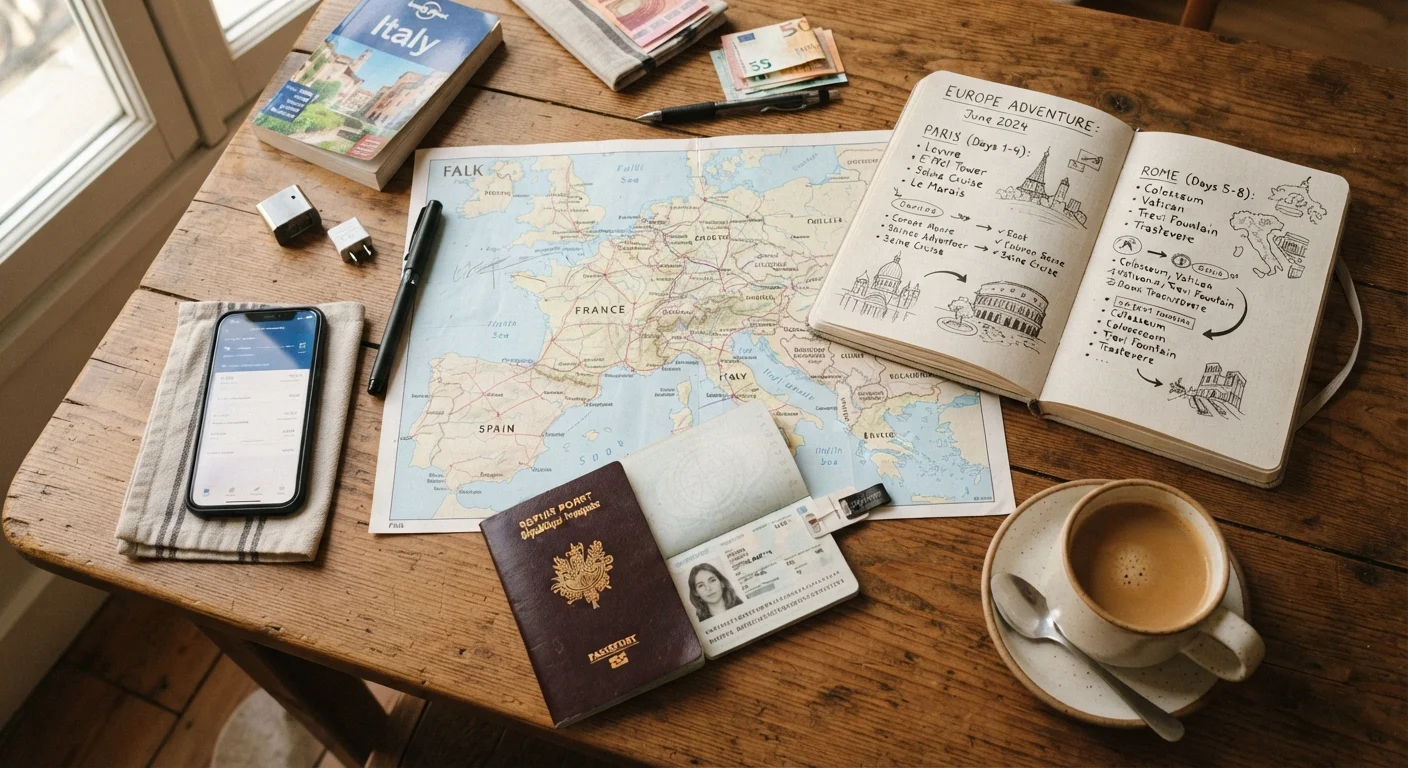
Photo credit: PrimeReads.net | Discover Insightful And Creative Blogs
In this article
Understand the key stages of trip planning — from initial research to departure day — and why each one matters for a smoother journey.
Key Takeaways
- Trip planning happens in distinct stages, each building on the last.
- Setting a realistic budget early shapes every decision that follows.
- Entry requirements, travel advisories, and health considerations must be verified through official sources.
- A flexible day-by-day itinerary balances structure with room to adapt on the ground.
- Confirming all bookings and documents 72 hours before departure prevents last-minute crises.
- Both package and self-planned trips benefit from the same core planning anatomy.
Stage One: Clarify Your Vision and Set a Budget
Every well-planned trip begins with two questions: What kind of experience do I want? and What can I realistically spend? These aren't sequential - they're intertwined. A dream destination that wrecks your finances creates a different kind of stress than staying closer to home within a comfortable budget.
Start by defining your trip's purpose: rest and relaxation, cultural immersion, adventure, family bonding, or some combination. This shapes everything from destination choice to the pace of your itinerary. Then build a working budget that accounts for flights or transport, accommodation, food, activities, travel insurance, and a contingency buffer - typically 10-15% of your total estimate for unexpected costs.
If you're weighing whether to plan independently or use a package, see our comparison of package holidays vs. self-planned trips for a clear breakdown of the trade-offs involved.
Write Your Budget Before You Browse
It's tempting to start by searching flights or hotels, but doing so before setting a budget tends to anchor your expectations to prices you find rather than what you can actually afford. Write down your total budget and a rough allocation by category first - then start researching. You'll make cleaner, faster decisions and avoid the frustration of falling for options outside your range.
Stage Two: Research Your Destination Thoroughly
Once you have a destination in mind and a budget framework, research moves from general to specific. This stage covers four critical areas:
- Entry requirements: Visas, passport validity, and any biometric or electronic travel authorizations. Always verify directly with the destination country's official embassy or consulate and your own government's travel advisory service - requirements change and third-party sites may lag behind.
- Health and vaccinations: Some destinations require proof of certain vaccinations; others strongly recommend them. Consult a healthcare professional or travel medicine clinic well in advance, as some vaccine courses take weeks to complete. This is health-adjacent information - personal medical decisions should involve a qualified professional.
- Safety and local conditions: Review current travel advisories from official sources (such as travel.state.gov for U.S. citizens) to understand any regional risks or restrictions.
- Climate and seasonality: Knowing when rainy season peaks, when crowds swell, or when certain attractions close shapes both your packing list and your activity planning.
Our destination guides cover many of these factors for popular U.S. and international locations.
72%
Travelers who research before booking report higher satisfaction
According to a travel consumer survey by the U.S. Travel Association, travelers who plan in advance consistently report more satisfying experiences than those who arrange trips last-minute.
3-6 months
Recommended lead time for international trip planning
Travel advisors and government travel portals generally recommend this window to allow time for visas, vaccinations, and flexible booking options.
10-15%
Suggested contingency buffer as a share of total trip budget
Financial planning guidance for travelers commonly cites this range to cover unexpected costs like medical expenses, itinerary changes, or currency fluctuations.
Stage Three: Lock In Logistics
With a clear picture of your destination, it's time to commit to the structural elements of your trip. These are the bookings and arrangements that everything else depends on:
- Transportation: Flights, trains, rental vehicles, or intercity buses. Book main routes early for more options; connecting transport within the destination can often wait.
- Accommodation: Confirm cancellation policies before booking. Refundable rates cost slightly more but provide flexibility if plans shift.
- Travel insurance: Consider a policy that covers trip cancellation, medical emergencies, and lost luggage. Read the fine print - coverage limits and exclusions vary significantly between providers.
At this stage, also arrange any pre-trip logistics: airport transfers, childcare or pet care at home, and notifying your bank of travel dates to avoid card blocks abroad.
Stage Four: Build Your Itinerary
An itinerary isn't a rigid script - it's a navigational framework. The goal is to know roughly what you're doing each day without boxing yourself in. Sequence activities logically by geography to avoid unnecessary backtracking, and alternate high-energy days with slower ones to prevent burnout.
For a deeper walkthrough of structuring daily plans, see our guide on building a travel itinerary you'll actually want to follow. You'll also find practical travel hacks that help streamline your on-the-ground experience.
Leave buffer time between flights and excursions - what looks fine on paper can unravel quickly with a late train or a longer-than-expected museum visit. Consider, too, whether you prefer solo travel's flexibility or the shared logistics of group travel. Our piece on solo travel vs. group travel explores the practical differences.
Stage Five: Pre-Departure Review
In the 72 hours before you leave, run through a structured final check. Confirm all bookings and save digital and paper copies of confirmations, reservations, and emergency contacts. Verify your passport and any visa documents are valid and accessible. Check in online for flights where available, and review your destination's current conditions one more time - weather, local events, or transport disruptions can shift quickly.
Pack according to your researched climate and planned activities, not habit. Carry essential medications in your carry-on rather than checked luggage. Inform a trusted contact of your itinerary and accommodation details.
Finally, keep perspective: even the most carefully planned trips encounter the unexpected. The value of thorough preparation isn't eliminating uncertainty - it's ensuring that when surprises arise, you have the bandwidth to handle them calmly. For a reality check on common planning assumptions, see the real truths behind common trip planning myths.
Frequently Asked Questions

Author
Travel Editorial Team
Travel Editorial Team is the collective byline for our editorial team and contributor network. Articles published under this byline or an editorial pen name are researched, written, and reviewed according to our editorial standards for clarity, consistency, and independence before publication.
View all articles →