
Secured vs. Unsecured Debt: What Sets Them Apart
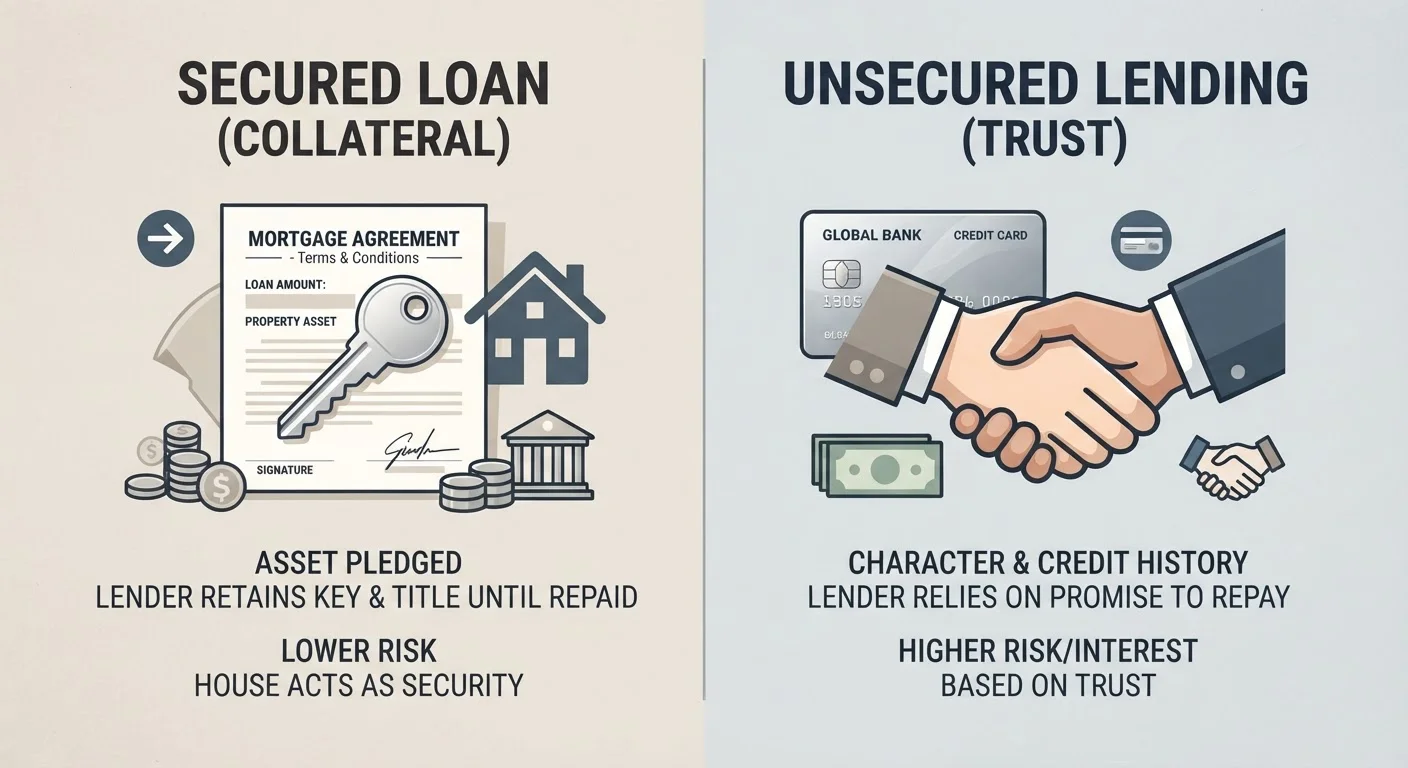
Photo credit: PrimeReads.net | Discover Insightful And Creative Blogs
In this article
Learn how secured and unsecured debt differ, what's at stake with each, and why the distinction matters when borrowing.
Key Takeaways
- Secured debt requires collateral; unsecured debt relies on your creditworthiness alone.
- Lenders can seize collateral if you default on secured debt, making the stakes higher.
- Unsecured debt typically carries higher interest rates to compensate lenders for added risk.
- Both debt types affect your credit score - missed payments on either can cause lasting damage.
- Choosing between them depends on your financial situation, risk tolerance, and borrowing purpose.
The Core Distinction: Collateral
Every loan or credit arrangement falls into one of two fundamental categories: secured or unsecured. The difference comes down to a single concept - collateral.
With secured debt, you pledge a specific asset to the lender. If you stop making payments, the lender has a legal right to take that asset to recover what they're owed. A mortgage is a classic example - your home secures the loan. An auto loan works the same way with your vehicle.
With unsecured debt, there's no asset backing the loan. The lender extends credit based on your creditworthiness - primarily your credit score, income, and debt history. Credit cards, personal loans, and student loans (in most cases) fall into this category.
This distinction isn't just technical - it shapes the interest rate you pay, the consequences of missing payments, and what a lender can legally do if you default. Understanding it is foundational to making sound borrowing decisions. For a broader look at how debt fits into your financial picture, see our complete debt and credit reference.
| Criterion | Secured Debt | Unsecured Debt |
|---|---|---|
| Collateral required | Yes - an asset backs the loan | No - based on creditworthiness |
| Typical interest rates | Generally lower | Generally higher |
| Common examples | Mortgage, auto loan, secured personal loan | Credit card, personal loan, student loan |
| Default consequence | Asset seizure (foreclosure, repossession) | Collections, judgments, credit damage |
| Lender risk level | Lower - asset provides a recovery option | Higher - no asset to fall back on |
| Credit score impact | Missed payments damage credit | Missed payments damage credit |
| Accessibility | May suit borrowers with thinner credit | Typically requires stronger credit profile |
Risk, Rates, and Real-World Consequences
Because secured lenders can recoup losses by seizing collateral, they take on less risk - and they typically pass some of that reduced risk to borrowers in the form of lower interest rates. A secured personal loan will generally carry a lower rate than an equivalent unsecured one, all else being equal.
Unsecured lenders have no such safety net. If a borrower defaults, they must pursue repayment through collections or legal action - a slower, more uncertain process. To compensate, they charge higher interest rates and apply stricter credit requirements.
~$17T
Total US household debt outstanding
According to the Federal Reserve Bank of New York, total US household debt has exceeded $17 trillion, with mortgages - a form of secured debt - making up the largest share.
20%+
Average credit card APR
The Federal Reserve reports that average credit card interest rates - a common form of unsecured debt - have exceeded 20% annually in recent periods.
6-7%
Typical 30-year mortgage rate range
Mortgage rates, secured by real property, have historically remained well below unsecured consumer credit rates, illustrating the collateral-driven rate advantage.
The consequences of default also differ meaningfully. With secured debt, the most immediate risk is losing the pledged asset - your home through foreclosure, or your car through repossession. With unsecured debt, there's no single asset to seize, but lenders can pursue judgments, wage garnishment, or send accounts to collections - all of which damage your credit significantly.
Neither outcome is harmless. It's worth weighing not just the cost of borrowing, but what you stand to lose if circumstances change. That framing connects directly to how financial educators distinguish good debt from bad debt.
How to Think About Your Own Borrowing
Knowing the difference between secured and unsecured debt helps you ask better questions before you borrow. Consider:
- What are you borrowing for? Large purchases like homes or vehicles typically involve secured financing by design. Everyday shortfalls or smaller needs often fit unsecured products better.
- What's your risk comfort level? Pledging your home or car amplifies the downside of financial hardship. If that feels uncomfortable, unsecured debt - despite higher rates - keeps specific assets out of the equation.
- What does your credit profile look like? Strong credit opens more unsecured options at competitive rates. Thinner credit histories may make secured products easier to access, or necessary to get reasonable terms.
Before committing to any new borrowing, it helps to work through a structured self-assessment. Our financial readiness checklist covers the key questions worth answering first. And once debt is in place, understanding how to manage it efficiently - whether through the avalanche or snowball approach - matters just as much. See debt repayment strategies explained for a side-by-side breakdown.
This article is for general informational and educational purposes only and does not constitute personalized financial, legal, or investment advice. Consult a qualified financial professional for guidance specific to your circumstances.

Author
Money Editorial Team
Money Editorial Team is the collective byline for our editorial team and contributor network. Articles published under this byline or an editorial pen name are researched, written, and reviewed according to our editorial standards for clarity, consistency, and independence before publication.
View all articles →