
Debt Repayment Strategies: Avalanche vs. Snowball
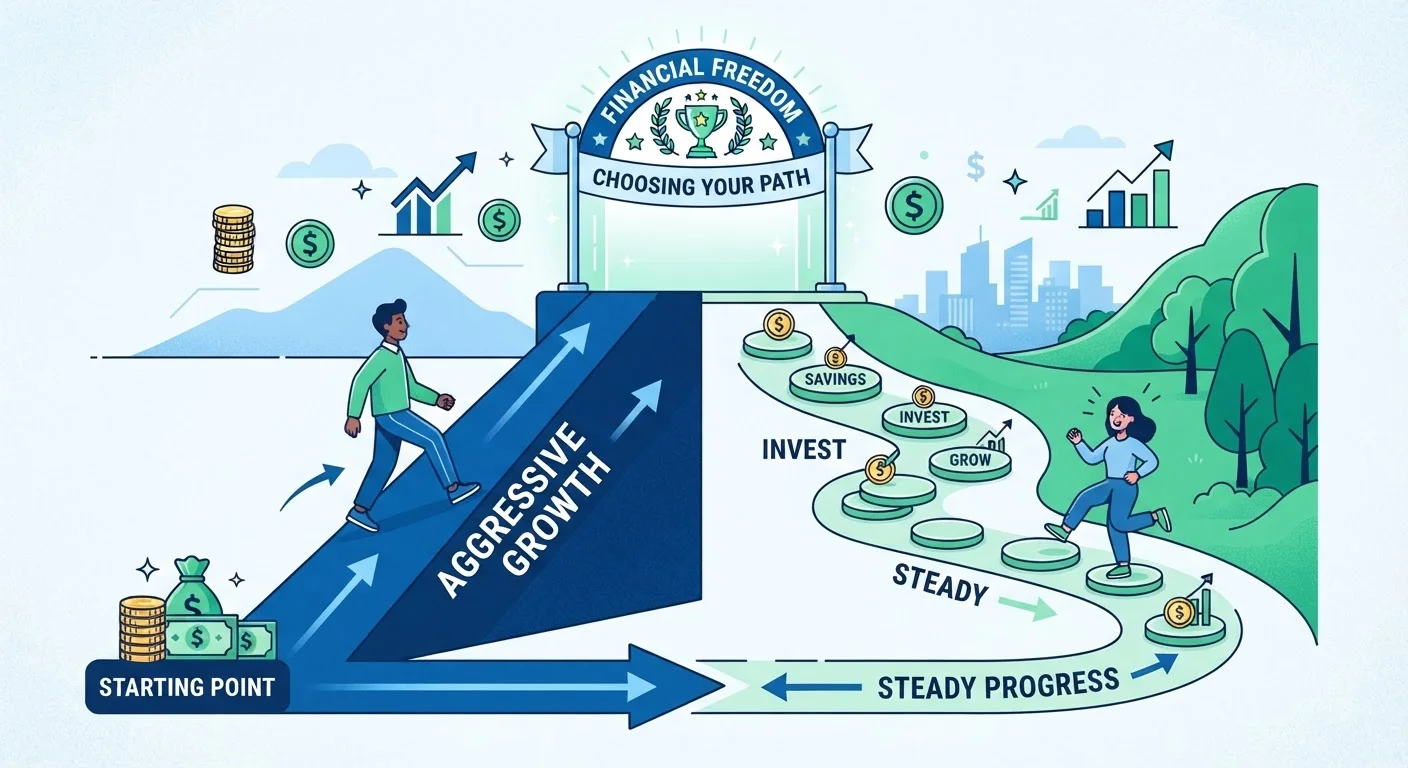
Photo credit: PrimeReads.net | Discover Insightful And Creative Blogs
In this article
Two popular methods for paying down debt explained side by side — how each works, what they cost over time, and which suits different situations.
Key Takeaways
- The avalanche method targets the highest-interest debt first, minimizing total interest paid over time.
- The snowball method targets the smallest balance first, generating early wins that can sustain motivation.
- Research suggests the snowball method may improve follow-through for some borrowers, despite costing more in interest.
- Both methods require paying at least the minimum on all debts while directing extra funds to the priority account.
- The best strategy is the one you will actually stick with - consistency matters more than mathematical perfection.
- Consulting a nonprofit credit counselor can help tailor a repayment plan to your specific financial situation.
How Each Method Works
Both the debt avalanche and the debt snowball follow the same foundational rule: pay the minimum required on every debt each month, then direct any extra money - even a small amount - toward one designated target account. The methods differ only in how that target is chosen.
Debt Avalanche: You rank all your debts by annual percentage rate (APR) from highest to lowest, then focus extra payments on the highest-rate balance first. Once that debt is eliminated, you redirect its payment to the next-highest-rate debt, creating a cascade of increasing payments. This approach is mathematically optimal because interest accrues fastest on high-rate balances - attacking them early limits how much compounds against you.
Debt Snowball: You rank debts by outstanding balance from smallest to largest, regardless of interest rate, and target the smallest balance first. When that account reaches zero, you roll that freed-up payment into the next-smallest debt, growing your repayment momentum like a snowball gathering mass. The emotional lift of fully eliminating a debt account is the method's core feature.
For a broader grounding in how debt and credit mechanics work together, see our complete reference for everyday borrowers.
| Criterion | Debt Avalanche | Debt Snowball |
|---|---|---|
| Payoff priority | Highest interest rate first | Smallest balance first |
| Total interest paid | Lower (often significantly) | Higher (rate-dependent) |
| Time to first full payoff | Often longer before first win | Faster first account closure |
| Motivational design | Numbers-driven, delayed reward | Quick wins, emotional momentum |
| Complexity | Requires tracking APRs closely | Simple balance ranking |
| Best scenario | Large APR gap between debts | Many accounts or similar rates |
The Real Cost Difference - and the Motivation Factor
In pure dollar terms, the avalanche method almost always results in less total interest paid. The gap can be modest or substantial depending on how different your interest rates are and how long repayment takes. When rates across your debts are very similar, the cost advantage of the avalanche shrinks significantly.
The snowball's trade-off - paying somewhat more in interest - is justified by its documented behavioral benefit. Academic research in consumer behavior has found that people tackling debt repayment are more likely to persist when they experience early account closures, even if the math isn't optimal. Motivation that keeps someone in the plan beats a perfect strategy they abandon.
~$1,000+
Potential interest savings with avalanche method
The exact savings vary widely by debt amount, rates, and repayment timeline, but the gap can be meaningful on high-rate consumer balances held over several years.
22%+
Average credit card APR in the US
According to Federal Reserve data, average credit card interest rates have risen sharply in recent years, making high-rate debt increasingly costly to carry.
Higher
Snowball completion rate vs. non-structured repayment
Consumer behavior research has found that structured, momentum-based repayment plans like the snowball tend to improve follow-through compared to unstructured approaches.
If you are also thinking about restructuring debt rather than just paying it down, it is worth understanding how debt consolidation works and when it makes sense before choosing a repayment path.
Choosing the Right Strategy for Your Situation
Neither method is universally superior. Several factors should shape your choice:
- Interest rate spread: If one debt carries a significantly higher rate than the rest, the avalanche's advantage grows. Narrow rate differences make the snowball more competitive.
- Number of accounts: Many small accounts may favor the snowball - you can close several quickly, reducing complexity. Fewer large debts may suit the avalanche better.
- Your behavioral history: If you have previously abandoned repayment plans, the psychological scaffolding of the snowball may be the more practical choice.
- Income stability: Consistent extra cash each month is essential for either method to work. If your income is irregular, building a small emergency buffer before aggressively paying down debt can prevent you from accumulating new balances during shortfalls.
It is also worth framing your debt in context. Understanding how financial educators distinguish good debt from bad debt can help you prioritize which balances most urgently need attention. High-rate consumer debt generally warrants faster action than lower-rate, asset-building debt.
Whichever method you choose, pairing it with a clear budget strengthens results. Our comparison of budgeting approaches can help you identify where extra repayment dollars might come from each month.
This article is for general informational and educational purposes only and does not constitute personalized financial, tax, or legal advice. For guidance tailored to your circumstances, consult a qualified financial professional or nonprofit credit counselor.

Author
Money Editorial Team
Money Editorial Team is the collective byline for our editorial team and contributor network. Articles published under this byline or an editorial pen name are researched, written, and reviewed according to our editorial standards for clarity, consistency, and independence before publication.
View all articles →