
Debt & Credit: A Complete Reference for Everyday Borrowers
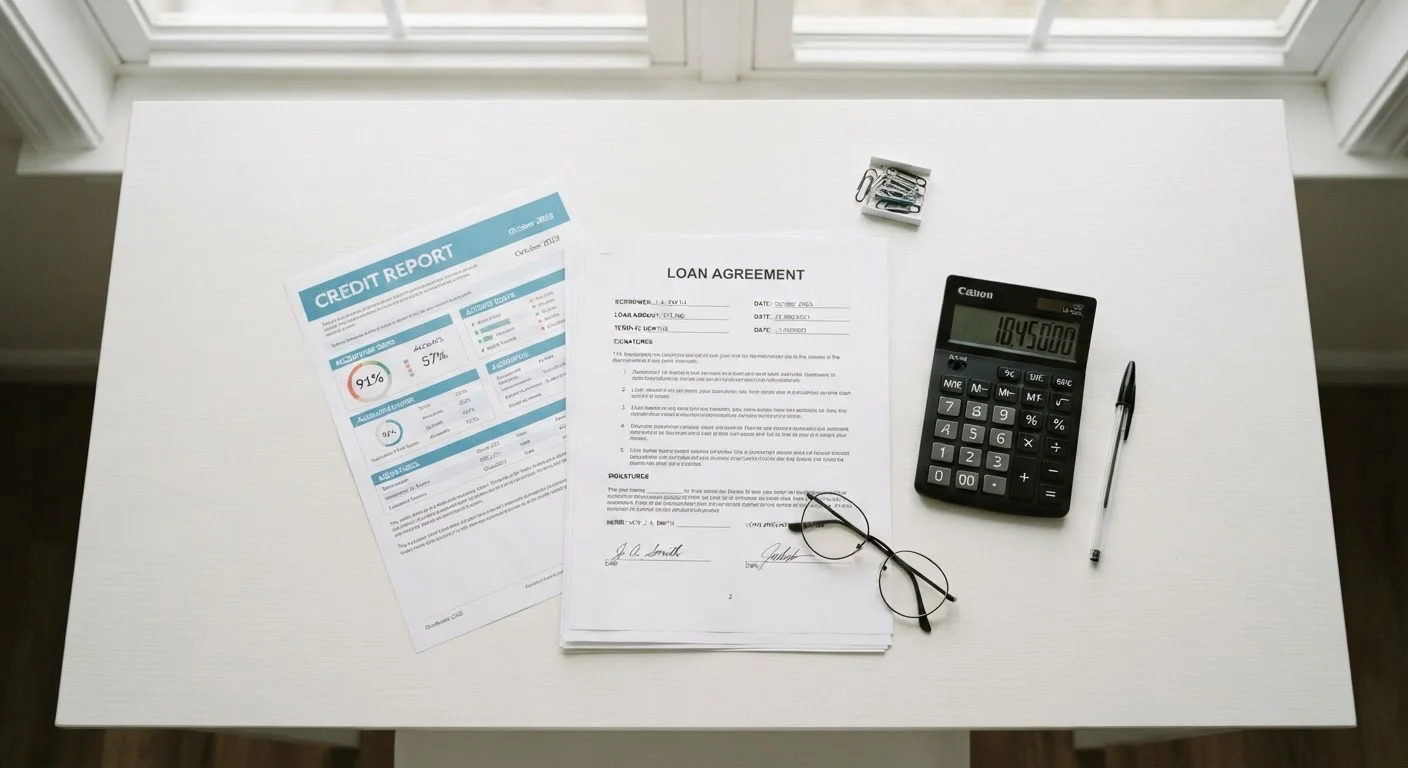
Photo credit: PrimeReads.net | Discover Insightful And Creative Blogs
In this article
Key terms, concepts, and mechanics of credit and debt in one place — from credit reports and scoring models to loan types and repayment structures.
Key Takeaways
- Credit reports and scores are distinct: your report is a record; your score is a numerical summary.
- Payment history carries the most weight in most credit scoring models - typically around 35%.
- Revolving debt like credit cards and installment debt like loans behave differently and affect your credit differently.
- Understanding APR, amortization, and minimum payments helps you see the true cost of borrowing.
- Responsible borrowing habits - not just avoiding debt - build lasting credit health.
What Is Credit and Why Does It Matter?
Credit is an agreement in which a lender provides money, goods, or services to a borrower now, with the expectation of repayment later - usually with interest. In everyday life, credit enables people to finance a home, pay for education, or handle unexpected expenses without needing the full amount available upfront.
Beyond borrowing power, your credit history can influence areas you might not expect: landlords commonly review credit before approving leases, some employers check credit reports for financially sensitive roles, and utility providers may require a deposit if your credit history is thin or negative.
Understanding how credit and debt work - the terminology, the mechanics, and the trade-offs - is a foundational personal finance skill. This guide walks through every major concept so you can borrow more confidently and manage what you owe more effectively. For budgeting strategies that complement smart borrowing, see the Budgeting Basics hub.
Credit Reports: Your Financial Track Record
A credit report is a detailed record of your borrowing history compiled by the three major consumer reporting agencies in the U.S. - Equifax, Experian, and TransUnion. Lenders regularly submit data to these agencies, and the resulting report includes:
- Account history: Open and closed accounts, including credit cards, mortgages, auto loans, and student loans.
- Payment history: Whether payments were made on time, late, or missed entirely.
- Public records: Bankruptcies or civil judgments that may appear on the report.
- Credit inquiries: Records of who has requested your report, split into hard inquiries (from applications) and soft inquiries (such as pre-approval checks).
Federal law under the Fair Credit Reporting Act (FCRA) entitles every U.S. consumer to at least one free credit report per year from each bureau. Reviewing your reports regularly helps you catch errors, which are more common than many people expect, and dispute inaccuracies through the bureau's formal process.
Check all three credit bureau reports separately - not just one. Creditors don't always report to all three, so errors or missing accounts may appear on only one report.
Each bureau maintains its own database. A discrepancy on one report could affect your score with lenders who pull from that specific bureau.
If you're building credit from scratch, a secured credit card or a credit-builder loan are practical starting points - they create a payment history without requiring existing credit.
Lenders need a history to evaluate. These products are specifically designed to establish a track record safely and within manageable limits.
Credit Scores: How They're Calculated
A credit score is a three-digit number - typically ranging from 300 to 850 - that summarizes your creditworthiness based on data in your credit report. The most widely used scoring model is FICO®, though VantageScore is also common.
FICO scores are generally weighted across five factors:
- Payment history (~35%): Whether you pay on time. A single missed payment can have a significant negative impact.
- Amounts owed (~30%): How much of your available credit you're using, known as your credit utilization ratio. Keeping this below 30% is a commonly cited guideline.
- Length of credit history (~15%): How long your accounts have been open. Longer histories generally support higher scores.
- Credit mix (~10%): Holding a variety of account types - cards, loans, and lines of credit - can help your score modestly.
- New credit (~10%): Applying for multiple accounts in a short period can signal risk and temporarily lower your score.
Scores are not static - they change as the underlying data changes. Habits that quietly erode your score are examined in detail in Borrowing Habits That Quietly Damage Your Credit.
35%
Weight of payment history in FICO score
According to FICO's published scoring breakdown, on-time payment history is the single largest component of a standard FICO score.
1 in 5
Consumers with credit report errors
A Federal Trade Commission study found that approximately one in five consumers had an error on at least one of their three major credit reports.
30%
Commonly cited utilization guideline
Credit experts and bureaus widely suggest keeping your credit utilization ratio below 30% of available credit to support a healthy score.
Types of Debt and How Each Works
Not all debt is structured the same way. Understanding the key categories helps you compare obligations clearly.
Revolving Credit
Revolving accounts - primarily credit cards and lines of credit - let you borrow up to a set limit, repay some or all of it, and borrow again. The balance can change month to month. If you carry a balance past your due date, interest is typically charged on the remaining amount.
Installment Loans
Installment debt involves borrowing a fixed sum and repaying it in regular, equal payments over a set term. Mortgages, auto loans, personal loans, and student loans all fall into this category. The interest rate may be fixed (stays the same throughout) or variable (fluctuates with a benchmark rate).
Secured vs. Unsecured Debt
Secured debt is backed by collateral - an asset the lender can claim if you default. Mortgages and auto loans are secured. Unsecured debt has no collateral, so lenders rely entirely on your promise to repay; credit cards and most personal loans are unsecured. Because unsecured lending is riskier for lenders, it typically carries higher interest rates.
Repayment Structures and Key Loan Terms
Knowing how repayment works prevents surprises and helps you compare borrowing options clearly.
Amortization
Amortization is the process of paying off a loan through scheduled payments over time. In the early months of an amortized loan, most of each payment goes toward interest; later, more goes toward the principal. This is why paying down a loan faster - if your loan permits it without penalties - can meaningfully reduce your total interest cost. For a deeper look at how borrowing costs accumulate, see Understanding Interest: How Borrowing Costs Add Up Over Time.
APR vs. Interest Rate
The interest rate is the cost of borrowing expressed as a percentage of the principal. The Annual Percentage Rate (APR) is broader - it includes the interest rate plus most fees associated with the loan, making it a more complete measure of cost when comparing offers.
Minimum Payments
On revolving accounts, a minimum payment is the smallest amount you must pay to keep the account in good standing. Paying only the minimum extends repayment significantly and increases the total interest paid - sometimes by a substantial margin depending on the balance and rate.
Managing Debt Responsibly
Carrying debt isn't inherently harmful; how you manage it determines its impact on your finances and credit profile. A few foundational principles apply broadly:
- Pay on time, every time. Payment history is the single largest factor in most scoring models. Setting up automatic minimum payments prevents accidental missed payments.
- Keep utilization low. Even if your limit is high, using a large portion of it can weigh on your score. Paying down balances before the statement closing date can help manage reported utilization.
- Avoid taking on debt without a clear repayment plan. Know your monthly payment obligation before you borrow, and verify it fits your budget.
- Review your credit reports periodically. Errors or signs of identity theft can surface in credit reports and affect your standing if left uncorrected.
Managing debt is a long-term practice, not a single decision. Building financial habits that support your credit health - while staying within a budget that you control - is the most reliable path to borrowing power when you genuinely need it.
This article is for general informational and educational purposes only. It does not constitute personalized financial or legal advice. For guidance specific to your situation, consult a qualified financial professional.

Author
Money Editorial Team
Money Editorial Team is the collective byline for our editorial team and contributor network. Articles published under this byline or an editorial pen name are researched, written, and reviewed according to our editorial standards for clarity, consistency, and independence before publication.
View all articles →