
Personal Budgeting from the Ground Up
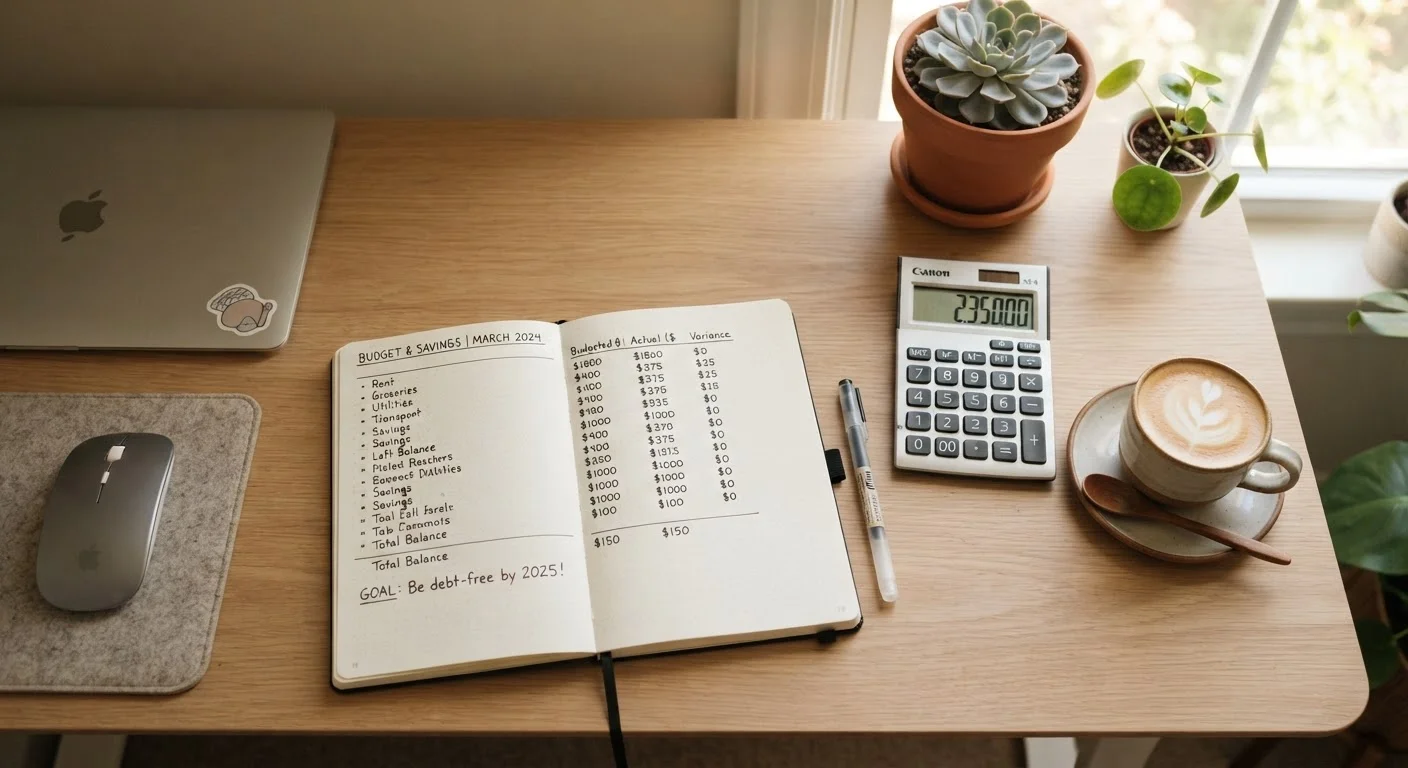
Photo credit: PrimeReads.net | Discover Insightful And Creative Blogs
In this article
New to budgeting? This comprehensive introduction covers every core concept, from tracking income to setting spending limits that actually hold.
Key Takeaways
- A budget is a spending plan, not a restriction - it gives every dollar a purpose.
- Start by identifying your true take-home income before setting any spending limits.
- Separating fixed costs from variable ones makes your budget far easier to manage.
- No single budgeting method works for everyone - pick one that matches how you actually live.
- Reviewing your budget regularly is what turns a plan into lasting financial habit.
What a Budget Actually Is (and Isn't)
A budget is simply a written plan for how you intend to use your money over a given period - most commonly a month. It tells your dollars where to go before you spend them, rather than leaving you wondering where they went afterward.
What a budget is not is a punishment. Many people avoid budgeting because they associate it with deprivation or rigid rules. In reality, a good budget includes spending on things you enjoy - it just does so deliberately. The goal is alignment between your spending and your actual priorities.
If you want to understand the vocabulary behind budgeting before diving deeper, the budgeting terms glossary breaks down key concepts - from net income to discretionary spending - in plain English. For a broader, end-to-end perspective, The Complete Guide to Personal Budgeting in America covers every stage of the process.
Net income
The amount of money you actually take home after taxes and other deductions are removed from your paycheck - the figure you should use when building a budget.
Fixed expense
A recurring cost that stays the same from month to month, such as rent, a car payment, or a loan minimum - easy to plan for because the amount doesn't change.
Variable expense
A spending category where the amount changes each month, like groceries, gas, or dining out - these require averaging across past months to estimate accurately.
Discretionary spending
Money spent on non-essential purchases - things you want but don't strictly need, such as entertainment, hobbies, or dining at restaurants.
Irregular expense
A cost that doesn't occur every month but is predictable over the year - like annual insurance renewals or holiday spending - which should be divided into a monthly savings amount.
Zero-based budgeting
A method where you assign every dollar of income to a specific category so that your income minus all planned uses equals zero - meaning no dollar is left without a purpose.
Know Your Numbers: Income and Expenses
Before you can allocate money, you need to know exactly how much comes in and how much goes out. This is the foundation every budget is built on.
Start with take-home income. Use your net income - the amount deposited into your bank account after taxes and payroll deductions - not your gross salary. If your income varies month to month (freelance work, tips, hourly wages), use a conservative average based on your three to six most recent months.
Then list your expenses in two groups:
- Fixed expenses - costs that are the same every month: rent or mortgage, car payment, insurance premiums, loan minimums.
- Variable expenses - costs that fluctuate: groceries, gas, utilities, dining out, entertainment.
Don't guess at variable costs. Pull up two or three months of bank and credit card statements to find realistic averages. Many people are surprised by what they find. For a thorough breakdown of categories you may be overlooking, see spending categories every budget should include.
Choosing a Budgeting Method That Fits Your Life
Once you know your income and expenses, you need a framework for organizing them. Several well-established approaches exist, each with different logic and trade-offs.
The 50/30/20 Rule
Divide take-home pay into three buckets: 50% for needs (housing, food, utilities, transportation), 30% for wants (dining, subscriptions, hobbies), and 20% for savings and debt repayment. It's simple, requires minimal tracking, and is a solid starting point for beginners.
Zero-Based Budgeting
Assign every dollar of income a specific job - spending, saving, or debt - so that income minus all allocations equals zero. This method demands more detail but leaves no money unaccounted for.
Pay-Yourself-First
Move a savings contribution out of your account on payday before spending anything else, then budget freely with what remains. This approach prioritizes saving without requiring detailed category tracking.
Each method has its strengths depending on your personality and how variable your income is. A side-by-side look at these and other frameworks is available in budgeting approaches compared.
Try One Method for a Full Month First
Resist the urge to switch budgeting methods partway through a month if things feel imperfect. Each approach has a learning curve, and one full month gives you enough real data to judge whether the method fits your life. Switching too early usually means starting over without ever getting useful feedback.
Building Spending Limits That Actually Hold
A budget only works if your spending limits are realistic. Limits that are too tight get abandoned within weeks. The goal is to set limits based on how you actually spend, then adjust gradually rather than overhauling your lifestyle overnight.
Use the expense data you collected and compare it against your income. If your current spending exceeds your income, identify one or two variable categories to reduce first - these are usually more flexible than fixed costs. Small, consistent reductions are more sustainable than dramatic cuts.
Don't forget irregular expenses - annual insurance bills, car registration, holiday gifts, medical co-pays. Divide their annual cost by 12 and treat that amount as a monthly line item. This is one of the most common gaps in beginner budgets. For a practical walkthrough of this process, building a monthly budget that survives real life offers step-by-step guidance.
If you're also thinking about saving for the first time, building a savings habit from zero pairs well with this stage of the process.
Staying on Track After Day One
Creating a budget is the easy part. Returning to it consistently is where most people struggle. A few habits make the difference between a budget that lasts and one that gets forgotten by week two.
Schedule a monthly review. Set a recurring time - the last Sunday of each month works well - to compare what you planned against what you actually spent. Look for patterns, not perfection.
Do brief weekly check-ins. A five-minute look at your spending mid-month can catch problems before they compound. Many people find this prevents end-of-month surprises.
Adjust without guilt. Life doesn't follow a spreadsheet. When an unexpected expense hits, update your budget to reflect reality rather than abandoning it entirely. A budget that gets adjusted is still working. One that gets ignored is not.
Use the monthly budget setup checklist as a reference each time you reset or rebuild your plan. If you're also working on other personal systems alongside budgeting, personal productivity fundamentals can complement the habits you're building here.
This article is for general informational and educational purposes only and does not constitute personalized financial advice. Consult a qualified financial professional for guidance specific to your circumstances.
Frequently Asked Questions

Author
Money Editorial Team
Money Editorial Team is the collective byline for our editorial team and contributor network. Articles published under this byline or an editorial pen name are researched, written, and reviewed according to our editorial standards for clarity, consistency, and independence before publication.
View all articles →