
Spending Categories Every Personal Budget Should Include
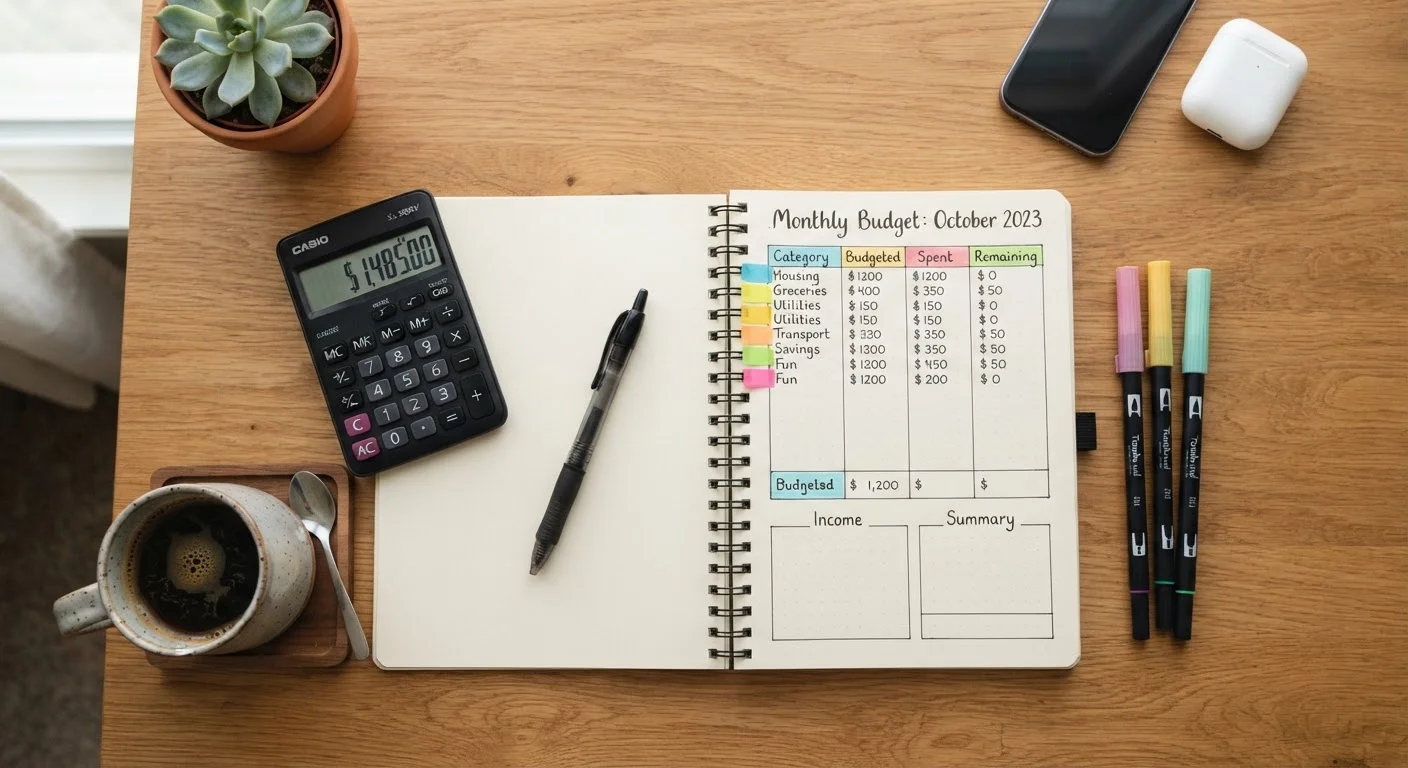
Photo credit: PrimeReads.net | Discover Insightful And Creative Blogs
A curated breakdown of the budget categories most people overlook — from annual subscriptions to car maintenance — and why each one matters.
Key Takeaways
- Most budget failures trace back to missing categories, not overspending in visible ones.
- Irregular and annual expenses - like car registration or holiday gifts - need their own budget line.
- Healthcare, personal care, and home maintenance are commonly skipped but reliably costly.
- A complete category list reduces financial surprises and makes saving goals more achievable.
- Review and update your categories whenever your income or life circumstances change.
Why Missing Categories Sink Budgets
Most people who struggle with budgeting aren't spending recklessly - they're simply working from an incomplete map. When a category is missing, that spending doesn't disappear; it quietly drains whatever slack exists in the budget, making it feel like the numbers never add up.
Building a solid budget foundation starts with identifying every area where money actually leaves your accounts - including the ones that only show up twice a year. The categories below represent the spending areas most commonly left off household budgets, along with why each one deserves its own line.
Categories Will Vary by Household
No two households have identical spending patterns. A budget built around a single person in an apartment will look different from one covering a family with a mortgage, children, and two cars. Use this list as a starting point, not a rigid template. Add, combine, or rename categories to reflect how money actually moves through your life. For a deeper look at how to structure the process from scratch, see our monthly budget setup checklist.
The Spending Categories Your Budget Needs
Housing and Utilities
Rent or mortgage payments are rarely forgotten, but the full cost of housing goes further. Budget separately for electricity, gas, water, internet, and trash collection. These costs fluctuate seasonally - heating bills rise in winter, cooling costs in summer - so using a 12-month average per utility line helps smooth the planning.
Renters should also factor in renter's insurance, and homeowners need to account for property taxes and homeowners association fees if applicable.
Housing costs extend well beyond rent - utilities, insurance, and fees add up fast.
Groceries and Household Supplies
Food budgets often run over because people combine groceries and household supplies into a vague "miscellaneous" line. Keep these separate. Household supplies - cleaning products, paper goods, personal hygiene items - are a consistent monthly expense that deserves its own category so you can track both accurately.
Separating groceries from household supplies makes both categories easier to track and control.
Transportation
This category goes beyond a car payment or transit pass. A complete transportation budget includes fuel, parking fees, tolls, routine maintenance (oil changes, tire rotations), and an allocation toward less-frequent but predictable costs like tires, brakes, and annual registration fees.
If you rely on rideshare services, those costs belong here too. Transportation is one of the most underestimated line items in household budgets because the irregular costs - repairs, registration - are easy to forget until they arrive.
Routine maintenance and registration fees are predictable costs that still catch most budgets off guard.
Healthcare and Medical Expenses
Even with insurance, healthcare costs can be significant. Budget for monthly premiums, expected co-pays, prescription costs, dental care, and vision expenses. If you have a high-deductible health plan, factor in your deductible as a worst-case planning scenario.
Preventive care visits, eyeglasses, and dental cleanings are predictable enough to plan for. Setting aside a monthly amount toward a health savings account (HSA), if you're eligible, is one way to prepare for both expected and unexpected medical costs.
Premiums are just the start - co-pays, dental, and vision costs need their own budget line.
Subscriptions and Recurring Memberships
Subscription costs have grown substantially as streaming services, apps, gym memberships, and software licenses have multiplied. The problem is that individually, each fee feels minor - but collectively, they can represent a meaningful monthly outflow.
List every recurring charge: streaming platforms, cloud storage, news subscriptions, gym memberships, meal kit services, and any software tools. Review the list quarterly and cancel anything you're not actively using. Strict category limits work especially well here because the costs are fixed and controllable.
Small recurring fees rarely feel significant individually, but together they add up quickly.
Irregular and Annual Expenses
This is the category most responsible for budget disruptions. Annual or semi-annual expenses - holiday gifts, back-to-school costs, car registration, insurance premiums paid in lump sums, professional memberships - are entirely foreseeable, yet most people treat them as surprises.
The fix is straightforward: total your expected irregular expenses for the year, divide by 12, and set that amount aside monthly in a dedicated savings bucket. When the expense arrives, the money is already there. A monthly budget that accounts for irregular costs is far more resilient than one built on monthly averages alone.
Dividing annual costs by 12 and saving monthly eliminates most so-called budget emergencies.
Personal Care
Haircuts, skincare products, toiletries beyond basic household supplies, and other personal care services are regular spending that often gets absorbed into a catch-all category. Giving personal care its own line makes it easier to see whether you're spending in line with your values and income.
Personal care is a consistent monthly expense that deserves its own clearly defined budget line.
Savings and Emergency Fund Contributions
Savings belong in the budget as a non-negotiable category - not as whatever is left over at month's end. Whether you follow the 50/30/20 framework or another approach, treating savings as a fixed expense rather than a discretionary one is one of the most impactful habits in personal finance.
Include contributions toward an emergency fund, retirement accounts, and any specific savings goals - travel, a home purchase, education - as separate line items if possible.
Treating savings as a fixed expense, not an afterthought, is a cornerstone of financial stability.
Dining and Entertainment
These are the categories where many people experience the largest gap between planned and actual spending. Dining out, takeout, coffee, concert tickets, movies, and hobbies all belong here. Be honest when building this category - underestimating it simply pushes the gap elsewhere in the budget.
Rather than cutting it dramatically, set a realistic ceiling and track it actively. If you consistently exceed it, that's useful data - it may mean your other categories need to flex, or that dining out is a genuine priority worth reallocating toward.
Honest dining and entertainment estimates prevent budget gaps from silently appearing elsewhere.
Home Maintenance and Repairs
Homeowners frequently underestimate how much ongoing maintenance costs. A commonly cited planning guideline suggests setting aside roughly 1% of your home's value annually for maintenance - though actual costs vary widely based on the home's age, condition, and location. Renters aren't exempt either: replacing small appliances, purchasing furniture, or handling minor repairs can add up over a year.
Treat this like the irregular expenses category: accumulate a monthly amount so the money is ready when a repair is needed.
Regular monthly contributions toward home maintenance prevent large repair bills from derailing your budget.
Once these categories are in place, the next step is assigning realistic dollar amounts to each. If you're unsure where to start, understanding how Americans typically allocate their income can help you calibrate your own targets against broader spending patterns.
This article is for general informational purposes only and does not constitute personalized financial advice. Consult a qualified financial professional for guidance specific to your situation.

Author
Money Editorial Team
Money Editorial Team is the collective byline for our editorial team and contributor network. Articles published under this byline or an editorial pen name are researched, written, and reviewed according to our editorial standards for clarity, consistency, and independence before publication.
View all articles →