
Hidden Sources of Added Sugar in Everyday Foods
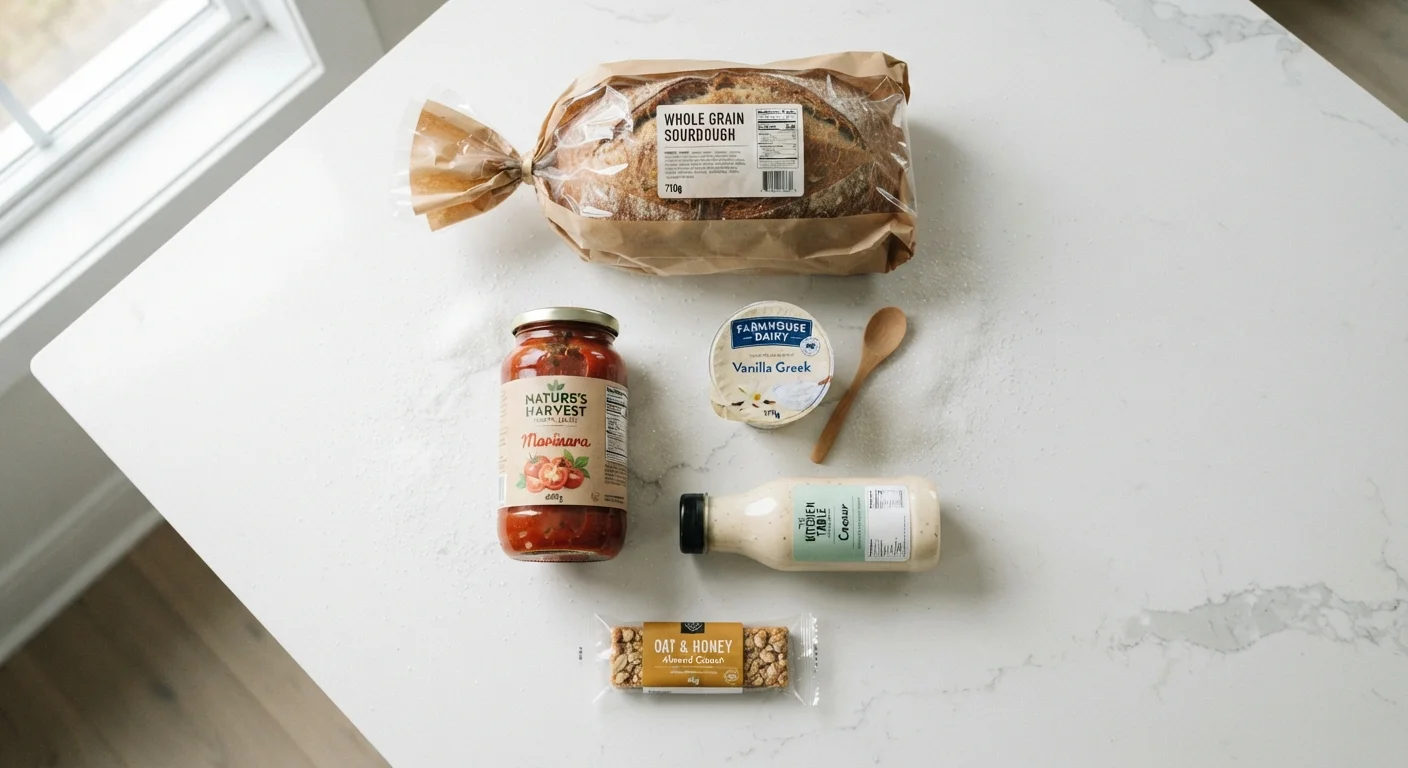
Photo credit: PrimeReads.net | Discover Insightful And Creative Blogs
Added sugar shows up in foods that don't taste sweet at all. A walkthrough of where it commonly hides and how to spot it on ingredient lists.
Key Takeaways
- Added sugar appears in dozens of savory and "healthy" foods that don't taste sweet.
- Manufacturers use over 60 different names for sugar on ingredient lists.
- The FDA's Nutrition Facts panel now includes a dedicated "Added Sugars" line to help consumers.
- Condiments, bread, flavored yogurt, and pasta sauces are among the highest hidden-sugar offenders.
- Checking ingredient position - not just total grams - helps reveal how much sugar a product actually contains.
Why Added Sugar Is So Easy to Miss
Most people associate added sugar with candy bars and sodas - foods that announce their sweetness upfront. But a substantial portion of the added sugar in the average American diet comes from foods that taste savory, tangy, or entirely neutral. Bread, pasta sauce, salad dressing, and even deli meat can all carry meaningful amounts of added sugar without a single bite tasting sweet.
The U.S. Dietary Guidelines for Americans recommend that added sugars make up less than 10 percent of daily calorie intake - roughly 50 grams on a standard 2,000-calorie diet. Staying within that threshold becomes significantly harder when sugar is embedded in foods you wouldn't think to scrutinize. Learning to read ingredient lists is the first line of defense, and our guide to reading nutrition labels walks through exactly how to do that systematically.
Below are some of the most common and least obvious places added sugar accumulates in everyday eating.
Bread and Baked Staples
Sandwich bread, hamburger buns, English muffins, and even whole-wheat loaves frequently contain added sugars - often in the form of high-fructose corn syrup, honey, or cane sugar - to improve texture, browning, and shelf life. A single slice can contain 2-4 grams of added sugar, meaning a sandwich contributes more sugar than most people realize before they've added any condiments. Ingredients like "enriched flour" and sugars appearing in the first five listed ingredients are signals worth noting.
A single slice of sandwich bread can quietly deliver 2-4 grams of added sugar.
Pasta Sauce and Canned Tomato Products
Tomatoes are naturally acidic, and manufacturers routinely add sugar to balance that tartness in jarred pasta sauces. Some popular marinara varieties contain 8-12 grams of added sugar per half-cup serving - the equivalent of two to three teaspoons. Canned tomato soups follow the same pattern. Look for "tomato purée," "water," and "tomatoes" leading the ingredient list, with sugar appearing further down or not at all, as a useful baseline comparison when choosing between products.
Jarred marinara can pack the sugar equivalent of multiple teaspoons per serving.
Flavored Yogurt
Plain yogurt is nutritionally dense and relatively low in sugar - most of what it contains is naturally occurring lactose. Flavored yogurts, however, frequently include fruit preparations, syrups, or sweeteners that push total added sugar well above what most consumers expect from a food marketed as healthy. Some single-serving fruit-flavored yogurt cups contain 15-20 grams of added sugar. Choosing plain yogurt and adding fresh fruit is a straightforward way to retain the protein and probiotic benefits while controlling sugar content.
Flavored yogurt is often one of the highest-sugar items in the dairy aisle.
Salad Dressings and Marinades
Reduced-fat dressings are a particularly common source of added sugar - fat removal often comes at the cost of added sugar and starches to preserve palatability and mouthfeel. Sweet-style dressings like honey mustard, French, and raspberry vinaigrette can deliver 5-8 grams per two-tablespoon serving, and portions in restaurant settings tend to run larger than the stated label serving. Oil-and-vinegar-based dressings with simple ingredient lists are generally among the lower-sugar options.
Reduced-fat dressings frequently replace fat with added sugar to maintain flavor.
Breakfast Cereals and Granola
Even cereals branded around whole grains, fiber, or protein can carry significant added sugar loads. Granola is a particular point of confusion - its health associations often lead consumers to underestimate its sugar content, which can exceed 12 grams per serving depending on the variety. Oat-based and "natural" cereals aren't exempt from this pattern. The added sugars line on the FDA-updated Nutrition Facts panel makes it easier to distinguish naturally occurring sugars from those added during processing.
Granola's health image often obscures an added sugar content that rivals dessert foods.
Condiments: Ketchup, BBQ Sauce, and Teriyaki
Condiments concentrate added sugar into small, easy-to-overlook servings. Ketchup typically contains about 4 grams of added sugar per tablespoon. Barbecue sauces can range from 10 to 16 grams per two-tablespoon serving, and teriyaki-style sauces often exceed that. Because these are used as accent flavors rather than primary foods, it's easy to dismiss their sugar contribution - but across multiple meals and portions, condiment sugar accumulates meaningfully in total daily intake.
Condiments add sugar in small servings that can quietly compound throughout the day.
The Many Names Sugar Goes By
One of the main reasons added sugar is difficult to spot is that it appears under dozens of different names on ingredient lists. The FDA has documented more than 60 terms used to describe added sugars, including: cane juice, dextrose, maltose, rice syrup, agave nectar, fruit juice concentrate, barley malt, and evaporated cane syrup, among others. When multiple sugar names appear in a single product's ingredient list - each individually ranking lower than they might if combined - the collective sugar contribution may be higher than the list order implies.
Sugar has over 60 names on ingredient lists - recognizing them is a key label-reading skill.
Building Awareness Without Obsession
Identifying hidden sugar isn't about eliminating every gram or treating food as a source of anxiety. It's about making informed choices - knowing that a "light" salad dressing may carry more sugar than a cookie, or that "whole grain" bread doesn't automatically mean low sugar. Once you understand where sugar tends to hide, you can compare products more effectively and shift toward options that align with your broader dietary goals.
Use the "Added Sugars" Line Directly
Since 2020, the FDA has required most food manufacturers to include a separate "Added Sugars" line beneath total sugars on the Nutrition Facts panel. This is the most reliable single data point for comparing products - it isolates sugars added during processing from those occurring naturally in fruit or dairy. When comparing two options, check the Added Sugars line in grams and as a percentage of the daily value (10% DV = about 20 grams on a 2,000-calorie diet).
For a deeper look at how food manufacturers use language to shape perception, the article on common ingredient label terms is a useful companion read. And if you've ever wondered why some widely praised "healthy" foods deserve a second look, this breakdown of cautiously viewed health foods provides helpful context. Added sugar is also just one hidden dietary concern - hidden sodium in processed foods follows a very similar pattern and is worth understanding alongside it.
This article is for general informational and educational purposes only and is not a substitute for advice from a qualified healthcare or nutrition professional. If you have specific health concerns related to sugar intake or diet, consult a registered dietitian or your healthcare provider.

Author
Food Editorial Team
Food Editorial Team is the collective byline for our editorial team and contributor network. Articles published under this byline or an editorial pen name are researched, written, and reviewed according to our editorial standards for clarity, consistency, and independence before publication.
View all articles →