
Hidden Sodium: Where Salt Accumulates in Everyday Diets
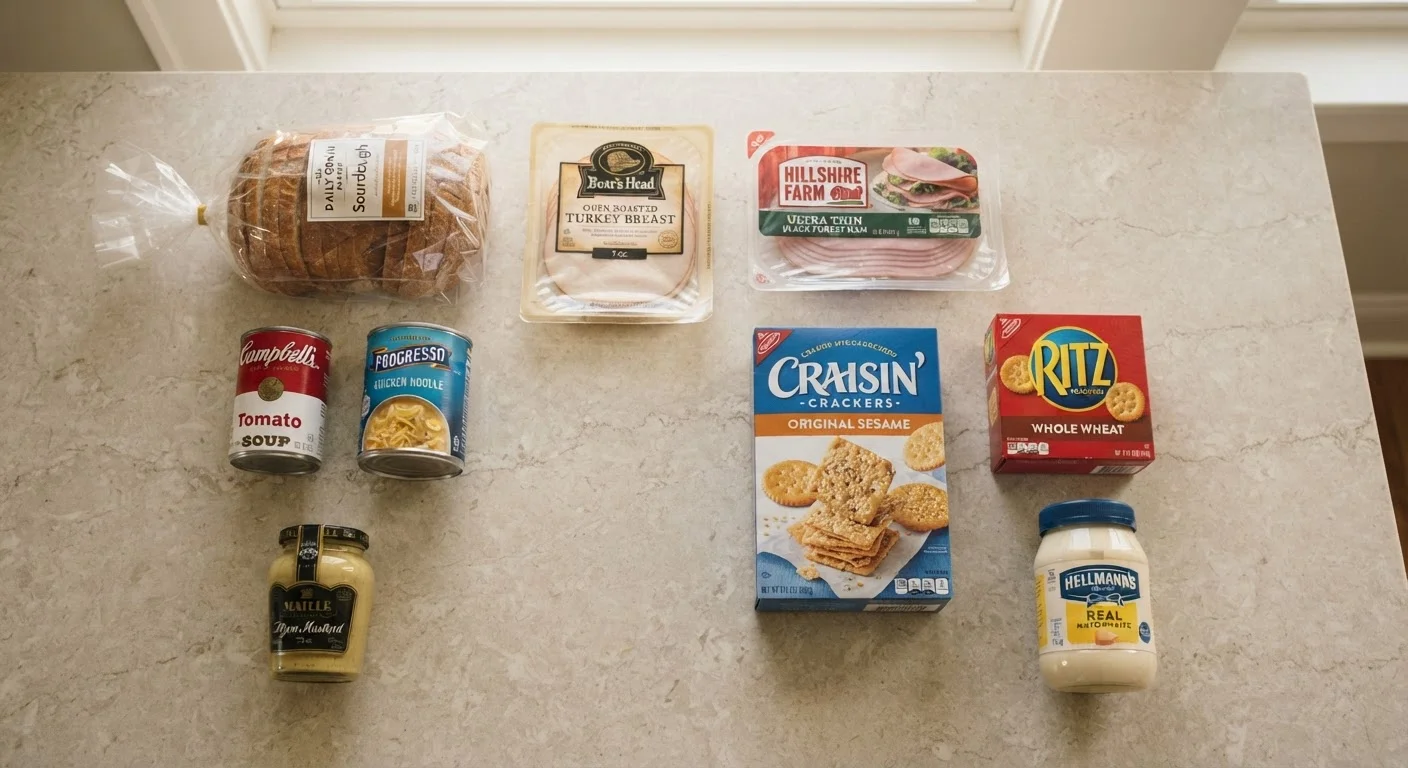
Photo credit: PrimeReads.net | Discover Insightful And Creative Blogs
In this article
Most dietary sodium doesn't come from the salt shaker. A look at the processed and packaged foods where it quietly builds up.
Key Takeaways
- Over 70% of dietary sodium in the U.S. comes from processed and packaged foods, not added table salt.
- Bread, deli meats, canned soups, and condiments are among the most significant hidden sodium sources.
- Comparing nutrition labels is one of the most reliable ways to manage sodium intake.
- The FDA's general guidance targets no more than 2,300 mg of sodium per day for most adults.
- Foods that taste sweet or neutral can still carry surprisingly high sodium levels.
Why the Salt Shaker Isn't the Whole Story
Most people trying to reduce sodium intake put down the salt shaker and assume the job is done. The research tells a different story. According to the CDC, roughly 70% of the sodium Americans consume comes from processed, packaged, and restaurant foods - not from salt added during cooking or at the table.
Sodium functions as a preservative, a flavor enhancer, and a texture stabilizer in manufactured foods, which is why it appears in products that don't taste salty at all. Understanding where it accumulates - across meals and throughout the day - is more useful than any single swap or restriction. The healthy eating habits that genuinely reduce sodium load tend to be built on label literacy and pattern awareness, not just willpower at the table.
Below are the food categories where sodium tends to accumulate most quietly in everyday diets.
Bread and Rolls
Bread is the single largest source of sodium in the American diet, according to the CDC - not because any one slice is extreme, but because most people eat it multiple times a day. A single slice of standard white or whole-wheat sandwich bread can contain 100-200 mg of sodium. Two slices for a sandwich, repeated at breakfast and lunch, adds up quickly without any salty toppings involved.
Artisan and restaurant breads are not necessarily lower. Sodium is added to bread dough to control yeast fermentation and strengthen gluten structure - functional roles that make it difficult to eliminate entirely. Checking the nutrition label and comparing options within the same bread type is the most practical approach.
Bread is the single largest source of sodium in the American diet, eaten multiple times daily.
Cured and Deli Meats
Curing and preservation processes rely heavily on sodium - both as sodium chloride (table salt) and often as sodium nitrate or nitrite. A two-ounce serving of deli turkey, ham, or salami can carry 400-700 mg of sodium, and portions in a typical deli sandwich frequently exceed two ounces. Bacon and sausage follow similar patterns.
Even products labeled "lower sodium" in this category often still contain significant amounts - they're lower relative to standard versions, not necessarily low in absolute terms. Reading the label rather than the front-of-package claim gives a more accurate picture.
A standard deli meat serving can deliver 400-700 mg of sodium before any other ingredient is added.
Canned Soups and Broths
Canned soups are a well-known sodium source, yet the numbers still surprise many consumers. A single one-cup serving of a standard canned chicken noodle soup can contain 800-900 mg of sodium - and the can often holds more than one serving. Broths and stocks used as cooking bases carry similar concentrations and are easy to overlook since they're a background ingredient rather than a finished dish.
Reduced-sodium versions of these products exist and can cut intake meaningfully. Homemade broths with controlled salt additions offer further flexibility, though they require more preparation time.
One cup of standard canned soup can account for nearly half a day's sodium in a single serving.
Condiments and Sauces
Soy sauce is the most obvious example - just one tablespoon contains roughly 900-1,000 mg of sodium. But the category extends well beyond it. Ketchup, barbecue sauce, hot sauce, salad dressings, teriyaki sauce, and Worcestershire sauce all contribute meaningfully, especially when used in restaurant-style quantities.
Because condiments are used in small absolute volumes, the per-serving number on a label can feel reassuring - until you account for how many tablespoons actually land on a plate. Measuring rather than free-pouring is a useful calibration exercise for anyone actively tracking sodium.
A single tablespoon of soy sauce can contain close to a full gram of sodium on its own.
Cheese
Cheese is a fermented, often salt-cured food, and sodium is essential to its production - it affects texture, moisture content, and preservation. Sodium levels vary considerably by type: a one-ounce serving of American processed cheese can exceed 400 mg, while the same serving of fresh mozzarella or Swiss may contain 50-175 mg. Feta and blue cheese tend to sit at the higher end of the range.
Because cheese is frequently used as a topping, filling, or mixed ingredient rather than a standalone food, its sodium contribution is easy to underestimate across the course of a day.
Cheese sodium varies widely by type - processed varieties can deliver over 400 mg per ounce.
Breakfast Cereals and Instant Oatmeal
Breakfast is a less obvious sodium occasion for most consumers, yet many ready-to-eat cereals contain 150-300 mg per serving, and flavored instant oatmeal packets frequently contain 150-250 mg - sometimes more. Sodium in cereals serves multiple functions: it enhances flavor perception, extends shelf life, and in some cases improves texture.
Plain rolled oats prepared with water or unsalted milk have virtually no sodium, making them one of the more straightforward lower-sodium breakfast swaps for consumers who are monitoring their intake.
Flavored instant oatmeal and breakfast cereals add sodium at a meal most people assume is low-risk.
Building a Clearer Picture of Your Sodium Intake
Sodium doesn't arrive in one obvious place - it stacks. A deli sandwich on a high-sodium bread, with a slice of cured meat, a smear of mustard, and a side of canned soup can deliver well over 2,000 mg before dinner. That's close to the FDA's daily reference limit of 2,300 mg for most adults in a single sitting.
How to Read a Sodium Label Effectively
When comparing products, look at the milligrams of sodium per serving alongside the serving size - these two figures together tell the real story. A product with 400 mg per serving at a half-cup portion is very different from one with 400 mg per full cup. The % Daily Value column is calculated against 2,300 mg; anything at or above 20% DV is considered high, while 5% DV or below is considered low, per FDA guidance.
Comparing sodium across similar products on a nutrition label is one of the most actionable skills a consumer can develop. Even within the same category - say, canned tomatoes - sodium content can vary by several hundred milligrams per serving depending on the product. Just as added sugar hides in unexpected places (see our guide to hidden added sugar), sodium often appears where consumers least expect it.
It's also worth noting that sodium interacts with other minerals in the diet. Adequate potassium intake, for example, plays a role in how the body manages blood pressure alongside sodium - a relationship explored further in our piece on commonly overlooked dietary minerals. As always, readers managing blood pressure, kidney function, or cardiovascular conditions should discuss specific dietary targets with a qualified healthcare provider rather than relying solely on general guidance.
This article is for general informational and educational purposes only and is not a substitute for professional medical or dietary advice. Consult a qualified healthcare provider for guidance specific to your health needs.

Author
Food Editorial Team
Food Editorial Team is the collective byline for our editorial team and contributor network. Articles published under this byline or an editorial pen name are researched, written, and reviewed according to our editorial standards for clarity, consistency, and independence before publication.
View all articles →