
Before Every Long Road Trip: A Pre-Drive Safety Checklist
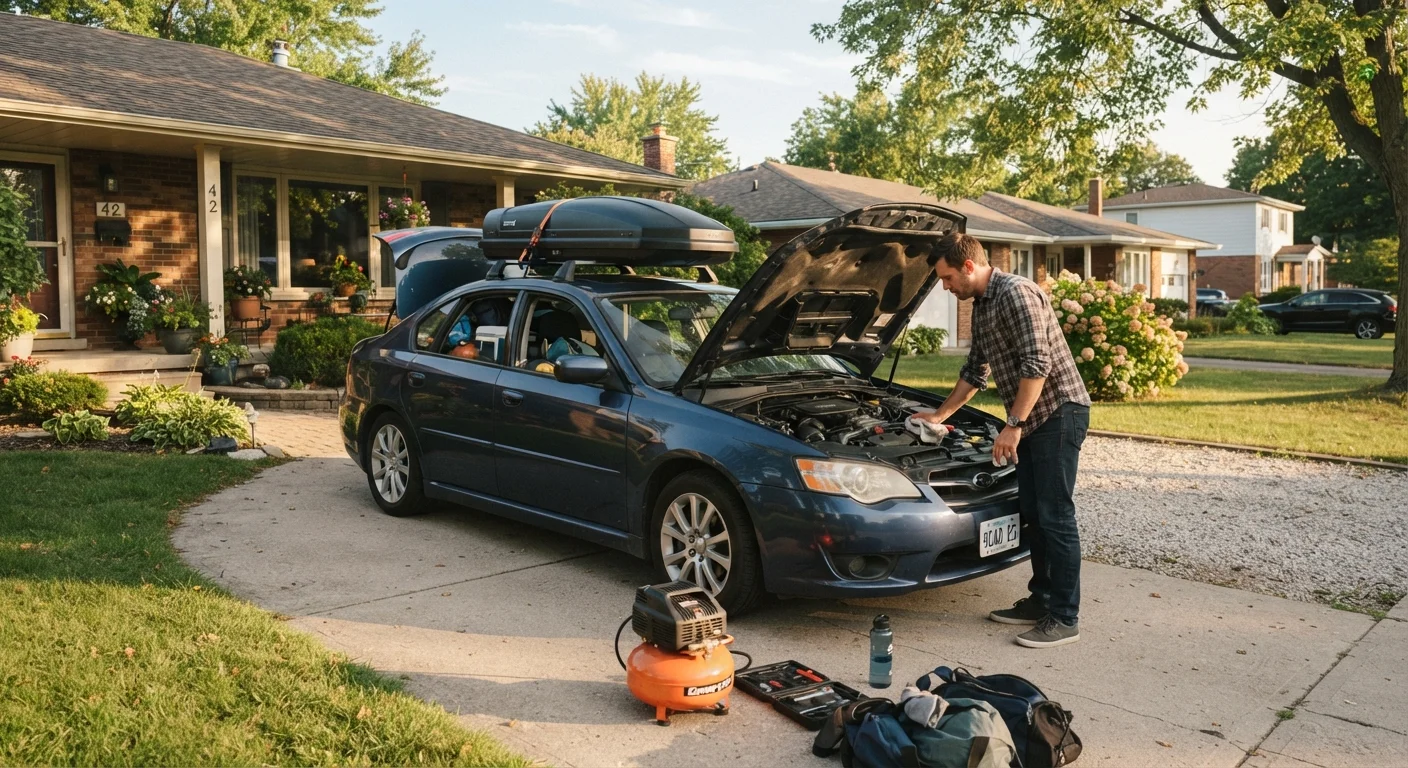
Photo credit: PrimeReads.net | Discover Insightful And Creative Blogs
In this article
Don't wait for a breakdown on the motorway. Run through this pre-departure checklist to catch vehicle and safety issues before you leave the driveway.
Key Takeaways
- Tire pressure and tread depth are among the most critical safety checks before any long drive.
- Fluid levels - oil, coolant, brake fluid - should be verified before highway-distance trips.
- An emergency kit with jumper cables, a first-aid kit, and a flashlight belongs in every vehicle.
- Driver readiness - rest, hydration, and route awareness - matters as much as vehicle condition.
- Many breakdowns are preventable with a consistent pre-trip inspection routine.
Why a Pre-Trip Check Is Worth the Time
Most roadside breakdowns aren't random bad luck - they're the result of a known issue that went unnoticed until highway speed made it impossible to ignore. A flat tire, a failing battery, low brake fluid: none of these develop overnight without warning signs. The problem is that most drivers don't look until something goes wrong.
Running a structured pre-departure check takes less than an hour and dramatically reduces the odds of a breakdown, a fine, or a dangerous situation developing on the road. This checklist is built around the vehicle systems most likely to fail on a long drive, organized by where and how you inspect them. It applies to any personal vehicle - sedan, SUV, pickup, or minivan - on any domestic highway trip.
If you drive in challenging seasons, pair this checklist with our seasonal vehicle care guide for additional cold- and hot-weather considerations. And if you're newer to the road, the habits in road awareness fundamentals for new drivers complement everything covered here.
Tires
Fluids
Lights and Visibility
Under the Hood and Belts
Emergency and Safety Gear
What to Have on Hand Before You Start
You don't need a full mechanic's toolkit to run this checklist, but having a few basic items makes the inspection faster and more accurate. Check these are in your vehicle or accessible before you begin.
Tire pressure gauge
Measures PSI accurately so you can inflate to the correct level rather than guessing by feel.
Tread depth gauge
Provides a precise reading of remaining tread depth; a penny works as a rough substitute.
Flashlight or work light
Lets you inspect under the hood and around the vehicle clearly, especially in low-light conditions.
Vehicle owner's manual
Lists your specific fluid specs, tire PSI recommendations, and maintenance intervals for your model.
Jumper cables or jump starter pack
Allows you to restart a dead battery on the road without waiting for roadside assistance.
Basic first-aid kit
Handles minor injuries at a roadside stop until professional medical help is available if needed.
For a broader look at everything that makes a safe, prepared driver, see our comprehensive safe driving resource. And once your vehicle checks are complete, don't forget the trip logistics side - a pre-trip planning checklist for domestic travel covers accommodation, documents, and packing essentials.
Don't Ignore Dashboard Warning Lights
A check engine light, brake warning indicator, or tire pressure warning light that was already on before your trip is not something to defer until you return. These alerts signal that a system needs attention - not that the vehicle is safe to drive for another 500 miles. Have any active warning lights diagnosed by a qualified mechanic before departing on a long drive, particularly those related to brakes, oil pressure, or engine temperature.
After the Checks: Driver Readiness
A mechanically sound vehicle driven by a fatigued or distracted driver is still a hazard. Before you leave, confirm that you're as road-ready as your car is. Plan your route in advance so you're not navigating unfamiliar interchanges at highway speed. If you're covering more than 300 miles, schedule rest stops every two hours - fatigue impairs reaction time in ways that are difficult to self-detect.
Let someone know your expected route and arrival time. Keep your phone mounted and your audio directions set before you pull out of the driveway. Eating a proper meal before departure reduces decision fatigue on the road. None of this replaces mechanical preparedness - but driver condition is a genuine safety variable that checklists tend to underemphasize.
Fatigue Is a Genuine Road Hazard
Drowsy driving impairs reaction time and judgment in ways that parallel alcohol impairment at certain thresholds, according to general traffic safety research. If you slept poorly the night before departure, consider delaying your start or sharing driving duties. Caffeine can help temporarily, but it is not a substitute for adequate rest on a multi-hour drive.

Author
Cars Editorial Team
Cars Editorial Team is the collective byline for our editorial team and contributor network. Articles published under this byline or an editorial pen name are researched, written, and reviewed according to our editorial standards for clarity, consistency, and independence before publication.
View all articles →