
Engine Oil: Viscosity Grades, Change Intervals, and What the Numbers Mean
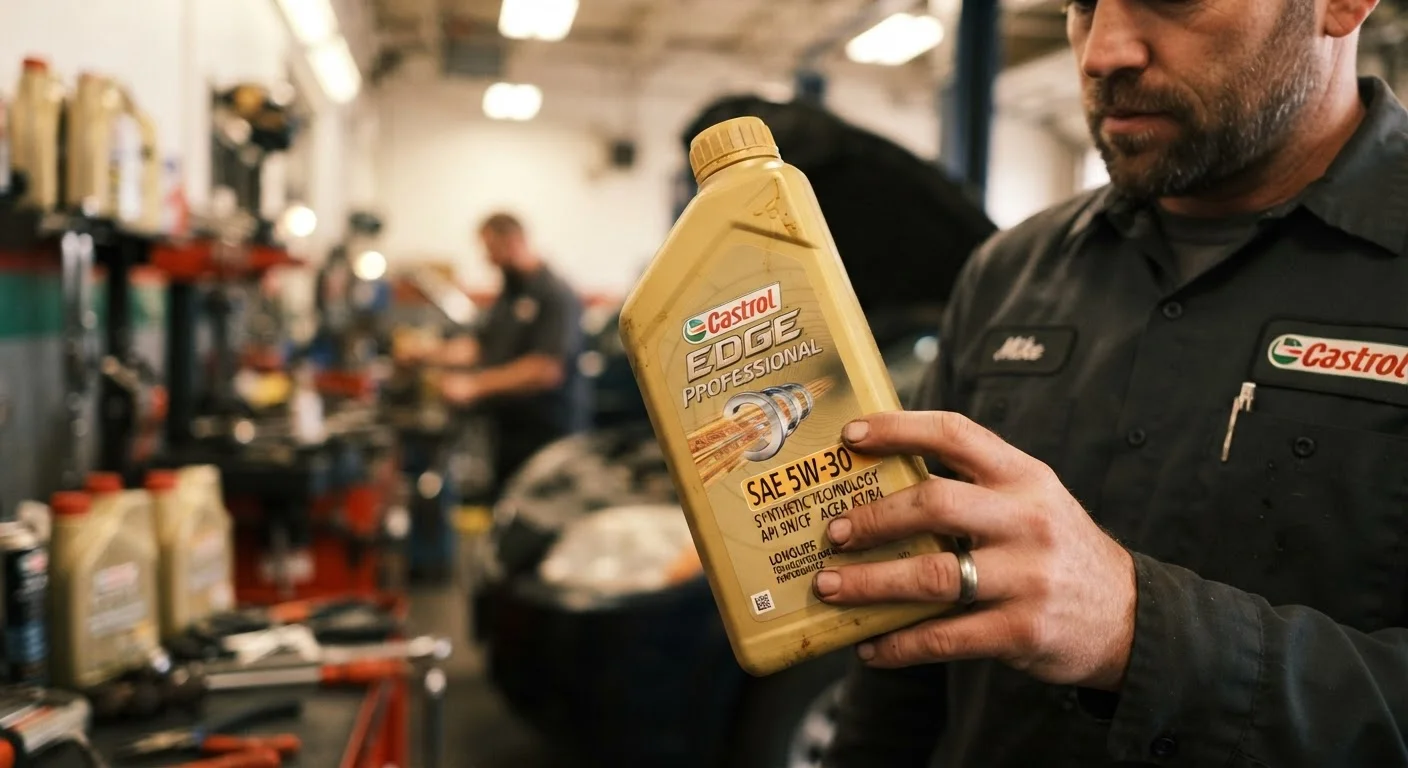
Photo credit: PrimeReads.net | Discover Insightful And Creative Blogs
In this article
A plain-language guide to reading oil specifications, understanding viscosity ratings, and knowing when your engine genuinely needs fresh oil.
What the Numbers on an Oil Bottle Actually Mean
Pick up any bottle of motor oil and you'll see a code like 5W-30 or 10W-40. These aren't arbitrary - they follow a standardized viscosity grading system developed by the Society of Automotive Engineers (SAE). Understanding the code means understanding how your oil behaves across a range of operating temperatures.
The number before the W (which stands for Winter, not weight) describes how the oil flows in cold conditions. A lower number - such as 0W or 5W - means the oil stays thinner and flows more readily at startup when temperatures are low. This matters because most engine wear happens in the first few seconds after a cold start, before oil pressure builds. The number after the W describes viscosity at normal operating temperature (roughly 212°F / 100°C). A higher number means a thicker oil film at heat.
So a 0W-20 oil flows easily in cold weather and maintains a moderately thin film at operating temperature - common in modern fuel-efficient engines. A 10W-40 stays thicker at high heat, which can suit older or high-mileage engines that benefit from a more robust oil film.
Matching Viscosity to Your Engine - Always Start With the Owner's Manual
Your vehicle's manufacturer specifies a recommended viscosity grade for a reason: the internal tolerances and oil passages in your engine are engineered around it. Using the wrong grade won't necessarily cause immediate damage, but it can reduce efficiency and, over time, contribute to wear. A grade that's too thick won't circulate quickly enough on cold starts; one that's too thin may not maintain an adequate film under high load.
Most modern passenger vehicles call for thinner grades - 0W-20 or 5W-30 - because tighter manufacturing tolerances and fuel-economy targets favor low-viscosity oils. Older vehicles and trucks often spec 5W-40 or 10W-40. Climate also plays a role: if you regularly drive in extreme cold, a lower winter weight (the W number) is an advantage. See your complete maintenance schedule guide for a broader look at how oil fits into your vehicle's overall service plan.
If your car has accumulated significant mileage, some manufacturers and oil formulators offer "high-mileage" blends at the same viscosity grade, typically containing seal conditioners and additional anti-wear additives. These aren't a substitute for the correct grade - they're a formulation variation within it.
Change Intervals: When Does Your Engine Actually Need Fresh Oil?
The old rule of changing oil every 3,000 miles has largely been overtaken by improvements in both engine design and oil chemistry. Many vehicles equipped with a factory oil-life monitoring system can go 7,500 to 10,000 miles or more between changes on full synthetic oil - though the right interval depends on your specific vehicle, driving conditions, and the oil type used. The 3,000-mile myth and other outdated service rules are worth understanding so you're not over-maintaining unnecessarily.
Certain conditions accelerate oil degradation and justify shorter intervals:
- Frequent short trips (under 5 miles) - the engine doesn't reach full operating temperature, allowing moisture and combustion byproducts to accumulate in the oil
- Towing or hauling heavy loads - sustained high temperatures break down oil faster
- Stop-and-go city driving - more frequent heat cycles than highway driving
- Dusty or extreme environments - contaminants enter the system more readily
If any of these apply to you regularly, your driving is classified as "severe" by most manufacturers - and the severe-duty interval in your owner's manual (not the normal interval) is the one you should follow. For a detailed breakdown of what service intervals cover, see how to read your vehicle service schedule.
Reading the Condition of Your Oil
Fresh oil is typically amber or honey-colored and translucent on the dipstick. As it ages, it darkens - that's normal and doesn't automatically mean it needs changing. What matters more is whether the oil has become thick and gritty, whether the level has dropped significantly, or whether it smells burnt. Milky or foamy oil can indicate coolant contamination, which requires immediate professional attention.
Oil that looks and smells fine but is due for a change by mileage or time should still be changed - chemical degradation isn't always visible. Additives that prevent corrosion and oxidation deplete over time regardless of how clean the oil appears. Learn more about reading fluid conditions in your vehicle with our guide to what your car's fluids are trying to tell you.
For most drivers, the simplest reliable approach is to follow the manufacturer's interval, check the oil level monthly, and note any sudden changes in appearance or smell between changes. That habit, more than any product claim, is what keeps an engine in good condition over the long term.
This article provides general educational information about engine oil and is not a substitute for guidance from a qualified mechanic or your vehicle's manufacturer specifications.

Author
Cars Editorial Team
Cars Editorial Team is the collective byline for our editorial team and contributor network. Articles published under this byline or an editorial pen name are researched, written, and reviewed according to our editorial standards for clarity, consistency, and independence before publication.
View all articles →