
What Your Car's Fluids Are Trying to Tell You
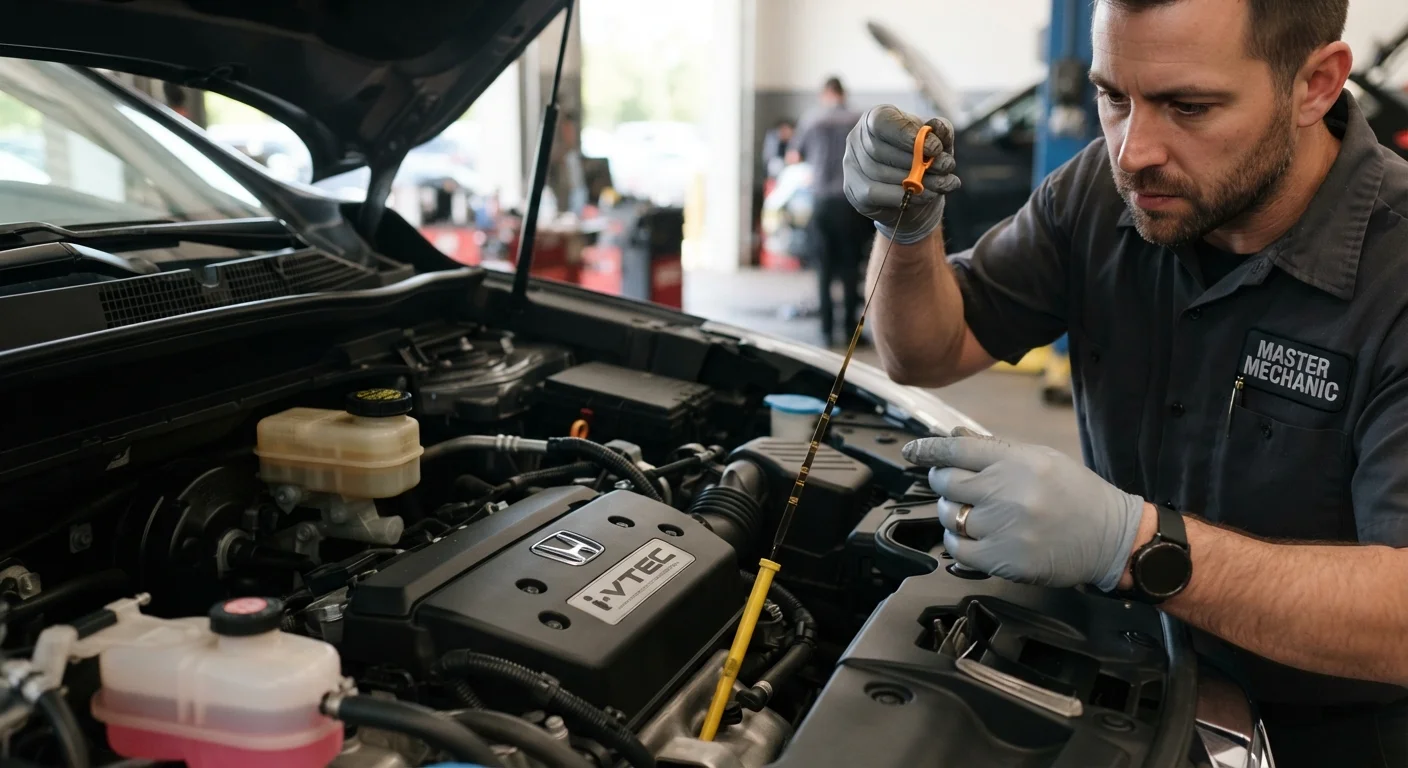
Photo credit: PrimeReads.net | Discover Insightful And Creative Blogs
In this article
From power steering fluid to transmission fluid, colour and consistency reveal a lot about your vehicle's condition. Here's how to read them.
Why Fluid Color and Condition Matter
Your vehicle circulates several different fluids, each engineered for a specific job. When those fluids degrade or become contaminated, they change in ways you can see and smell - long before a warning light appears on your dash. Knowing what normal looks like puts you in control of your car's health instead of waiting for a breakdown to tell you something went wrong.
Checking fluids is straightforward: most require nothing more than pulling a dipstick or looking at a translucent reservoir. The two things to evaluate are color and consistency. Fresh fluid is generally the right color; old or contaminated fluid isn't. Milky, gritty, or burnt-smelling fluid signals a deeper problem. See also: Reading Your Dashboard Warning Lights for the instrument cluster signals that often accompany fluid problems.
| Engine oil check frequency | Monthly or before long trips |
| Brake fluid appearance (new) | Clear to pale yellow |
| Transmission fluid color (healthy) | Red or pink, translucent |
| Coolant colors (varies by formula) | Green, orange, pink, or blue (Refer to owner's manual for correct type) |
| Warning sign across most fluids | Milky, foamy, or burnt-smelling |
| Power steering fluid (healthy) | Clear to light amber or pinkish |
Fluid-by-Fluid Reference Guide
Engine Oil
Fresh motor oil is amber or light brown and feels slippery on your fingers. Dark brown or black oil is used but may still be serviceable - check your owner's manual mileage intervals. Oil that looks milky or foamy indicates coolant contamination, a potential head gasket issue requiring prompt attention. Gritty oil suggests internal engine wear. For a deeper dive on grades and change intervals, see Engine Oil: Viscosity Grades, Change Intervals, and What the Numbers Mean.
Coolant (Antifreeze)
Coolant is typically bright green, orange, pink, or blue depending on the formula - check your owner's manual for the correct type. Healthy coolant is translucent and clean. Rusty, brown, or oily coolant means it's breaking down or contaminated. A sweet smell inside the cabin often points to a coolant leak. Coolant, Antifreeze, and Your Engine's Temperature covers the full cooling system in detail.
Transmission Fluid
Automatic transmission fluid (ATF) starts out red or pink and translucent. As it ages it darkens to a reddish-brown. Dark brown or black fluid with a burnt smell means the fluid has broken down and needs changing. Metal particles or a gritty texture indicate internal transmission wear - that warrants a mechanic's evaluation, not just a fluid swap.
Brake Fluid
New brake fluid is nearly clear to pale yellow. Because brake fluid is hygroscopic (it absorbs moisture from the air), it gradually turns darker and more golden over time. Dark brown brake fluid has absorbed enough moisture to lower its boiling point, which can affect stopping performance. Brake fluid that looks milky has serious contamination and should be addressed by a qualified technician immediately.
Power Steering Fluid
Power steering fluid is typically clear, light amber, or pinkish. Foamy or milky fluid means air or water has entered the system. Dark brown fluid with a burnt odor has degraded and may be causing wear on pump components. If you notice the steering wheel becoming stiff or hear whining when turning, low or degraded power steering fluid is a likely suspect.
Windshield Washer Fluid
This one's straightforward - it should be a consistent blue, green, or orange color with no sediment. While not a mechanical fluid, running the reservoir dry can leave you unable to clear road film safely, particularly in winter driving conditions.
When to Act - and When to See a Mechanic
Some fluid issues are simple top-offs; others point to a leak, seal failure, or internal damage. A good rule of thumb: if a fluid level drops significantly between checks with no obvious external leak, have a mechanic investigate rather than just refilling. Fluids that suddenly change color, develop particles, or smell burnt usually mean a system problem - not just aged fluid.
Routine fluid checks are part of any responsible maintenance rhythm. Your Car's Maintenance Schedule, Explained breaks down service intervals and what each milestone covers. And if unusual smells or sluggish performance accompany what you find, Warning Signs Your Car Is Overdue for a Service helps connect the dots.
Never attempt to service brake fluid lines, transmission internal components, or power steering systems without proper training and equipment - these are best left to a qualified mechanic.

Author
Cars Editorial Team
Cars Editorial Team is the collective byline for our editorial team and contributor network. Articles published under this byline or an editorial pen name are researched, written, and reviewed according to our editorial standards for clarity, consistency, and independence before publication.
View all articles →