
Getting Through Airport Security Faster: What Actually Helps
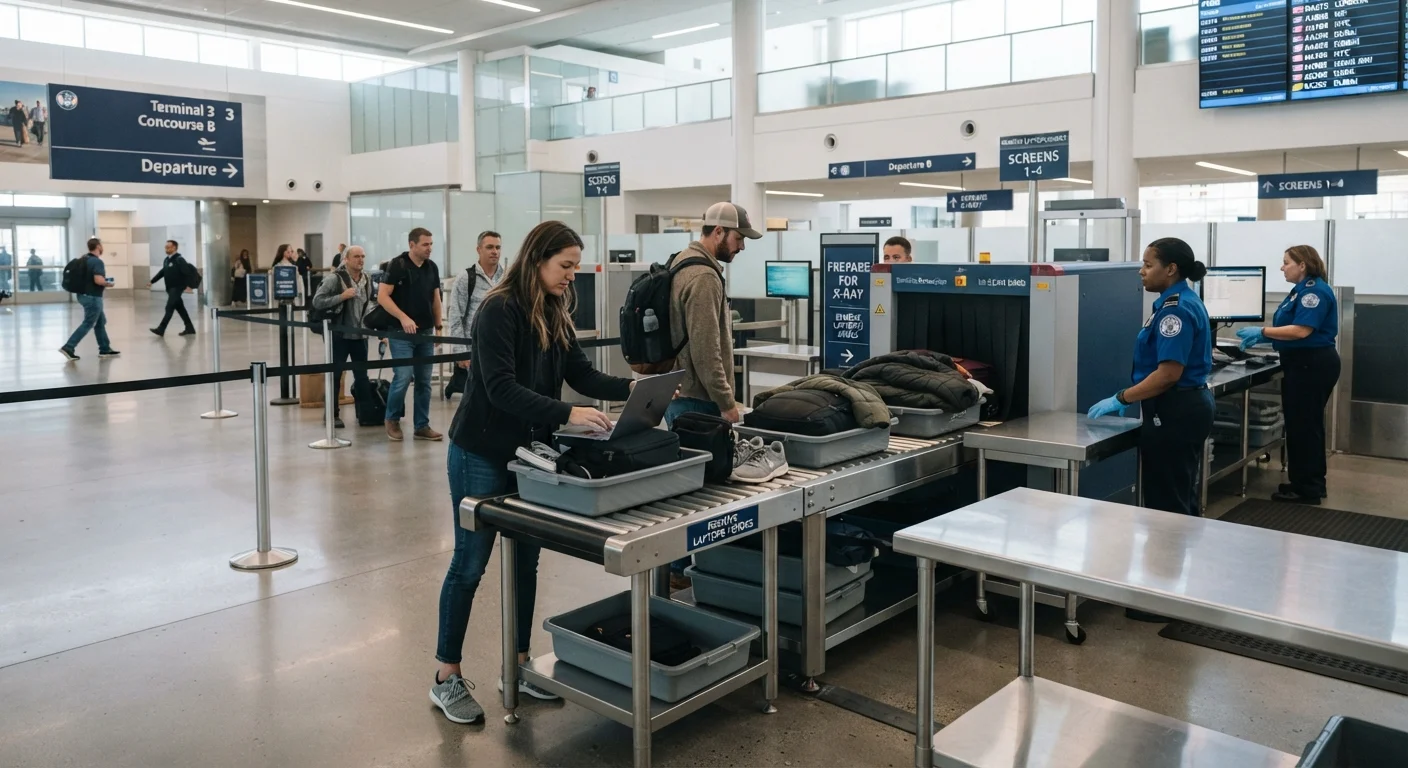
Photo credit: PrimeReads.net | Discover Insightful And Creative Blogs
In this article
Speeding up security isn't about luck. These practical habits and programme options can meaningfully reduce wait times and stress at the checkpoint.
Key Takeaways
- Trusted Traveler programs like TSA PreCheck and Global Entry provide dedicated, faster security lanes.
- How you pack your carry-on directly determines how long screening takes.
- Wearing the right clothing and shoes can shave minutes off checkpoint time.
- Arriving prepared - documents out, liquids accessible - reduces stress and delays.
- Understanding what triggers additional screening helps you avoid it proactively.
Why Security Lines Feel Unpredictable
Airport security wait times vary based on staffing, the time of day, season, and which terminal you're departing from. Peak morning and holiday-travel periods can stretch standard lines to 45 minutes or longer, while the same checkpoint might be nearly empty mid-afternoon. The good news is that the biggest variable you can control is your own preparation.
Two categories of intervention make a measurable difference: enrolling in expedited screening programs before your trip, and adjusting your packing and clothing habits for the day of travel. Neither requires special knowledge - just a bit of advance planning. For a broader pre-departure routine, see the pre-flight checklist that covers documents, packing, and more.
Expedited Screening Programs Worth Knowing
The Transportation Security Administration (TSA) administers two programs that grant access to dedicated, faster lanes at participating U.S. airports:
- TSA PreCheck - Domestic and some international travelers who pass a background check and in-person enrollment can use PreCheck lanes. These lanes typically allow shoes, laptops, and liquids to remain in your bag, which dramatically shortens screening time.
- Global Entry - Designed for frequent international travelers, Global Entry includes TSA PreCheck benefits and adds expedited U.S. Customs processing upon return. It requires a more thorough vetting process, including an in-person interview.
- CLEAR - A separate, privately operated service that uses biometrics (fingerprints or iris scan) to verify identity, letting members skip to the front of the document-check line. CLEAR does not replace TSA screening but can be used alongside PreCheck.
Eligibility requirements and program availability can change, so verify current details directly with the TSA or U.S. Customs and Border Protection before applying. If you're planning international travel, the international trip preparation guide covers entry and documentation requirements in more detail.
Check Program Enrollment Wait Times Early
TSA PreCheck and Global Entry enrollment appointments can book up weeks in advance, especially near major holidays. If you're planning travel in the next few months, check availability and apply as early as possible. Some credit cards include reimbursement for enrollment fees - review your card benefits before paying out of pocket.
How to Move Faster at the Checkpoint
Even without an expedited program, smart habits at the checkpoint cut wait time for everyone - including you.
Organize your carry-on before you leave home
Place electronics (laptop, tablet) at the top of your bag where they're easily accessible. Group liquids into a single clear, quart-sized zip bag and position it near the opening. Remove anything that doesn't need to travel with you - a lighter bag is faster to screen.
Wear slip-on shoes and minimal metal
Standard security lanes require shoes to be removed. Footwear with laces or buckles slows the process considerably. Choose slip-on shoes on travel days. Similarly, leave belts, large jewelry, and metal accessories in your checked bag or pack them in your carry-on rather than wearing them through the checkpoint.
Have your ID and boarding pass ready before you reach the front
Whether using a physical ID, passport, or mobile boarding pass, have it accessible before you join the queue. Fumbling through your bag at the document check slows the line for everyone behind you. If using a phone, make sure the screen brightness is up and the app is already open.
Empty your pockets completely before approaching the bins
Go through every pocket - jacket, pants, carry-on exterior pouches - and place everything in your bag or in the bin. Common forgotten items include coins, receipts, keys, and earbuds. These show up on X-ray and can require a hand-check of your belongings.
Load bins strategically and move through the scanner promptly
Use separate bins for shoes, your laptop, and your liquids bag. Keep your carry-on as one unit in its own bin. Push bins all the way forward on the belt so they flow through without gaps. After clearing the body scanner, collect your items at the end of the belt - not at the machine - so others can move through behind you.
Traveling with only a carry-on also removes the checked-bag variable entirely and keeps you in full control of your belongings. The carry-on only travel guide explains how to pack light without sacrificing essentials.
What Triggers Additional Screening - and How to Avoid It
Secondary screening is time-consuming and often avoidable. Common triggers include:
- Overpacked bags where items are dense or overlapping on the X-ray image
- Forgotten items in pockets (coins, keys, tissues, charging cables)
- Liquids not removed from the bag when required
- Large electronics left in the bag rather than placed separately in a bin
- Food items, especially in opaque containers, that obscure the bag's contents
A messy bag is genuinely harder to screen. Officers may need to physically open and search it, which takes time and creates stress for everyone nearby. Packing deliberately - grouping items by category, keeping the top layer of your bag clear - makes a practical difference.
Once you're through security, the rest of your airport time is yours to use well. If you have a long connection, the layover guide has practical ideas for staying comfortable and productive between flights.

Author
Travel Editorial Team
Travel Editorial Team is the collective byline for our editorial team and contributor network. Articles published under this byline or an editorial pen name are researched, written, and reviewed according to our editorial standards for clarity, consistency, and independence before publication.
View all articles →