
Understanding Interest: How Borrowing Costs Add Up Over Time
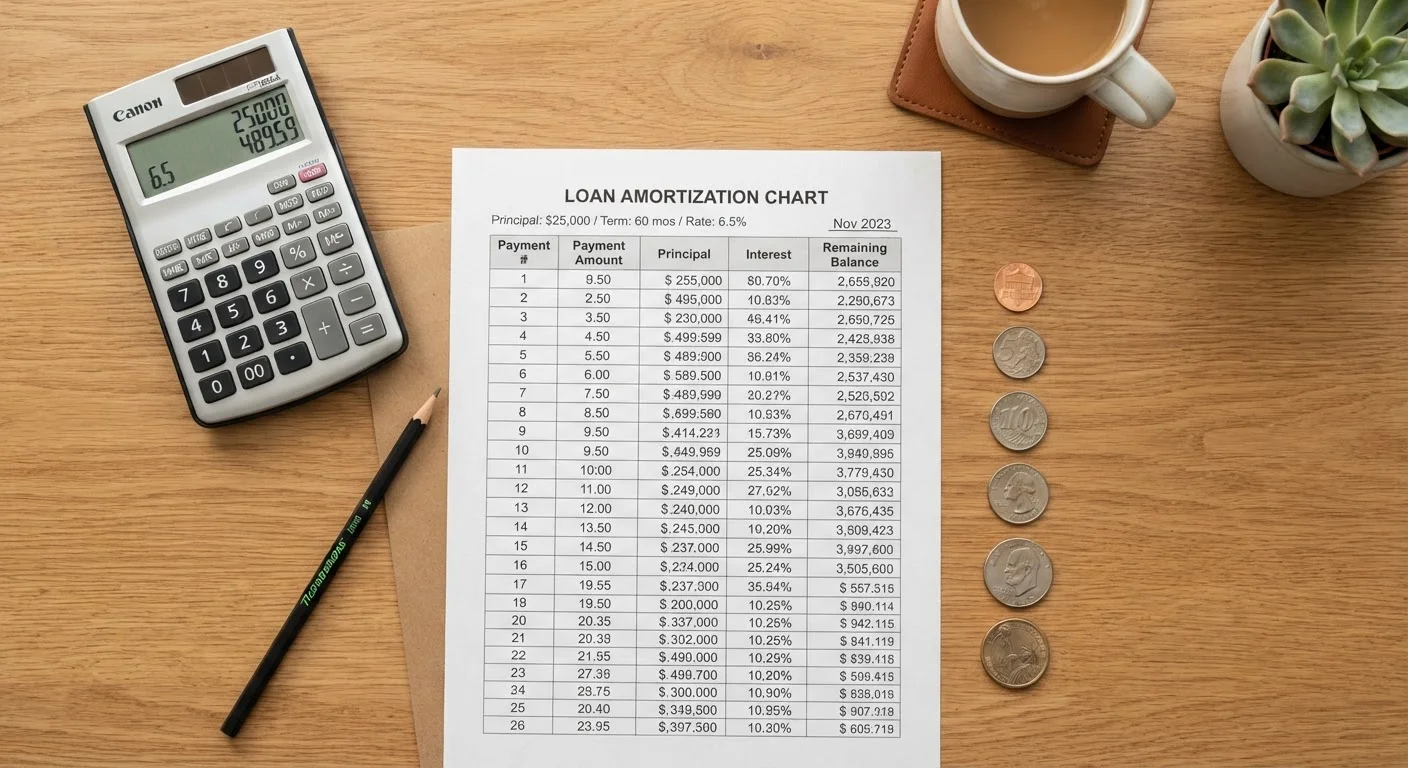
Photo credit: PrimeReads.net | Discover Insightful And Creative Blogs
In this article
A clear guide to how interest works on loans and credit cards, including the difference between APR and flat rates, and how compounding affects what you owe.
Key Takeaways
- Interest is the cost you pay a lender for using borrowed money, expressed as a percentage of the amount owed.
- APR (Annual Percentage Rate) gives a fuller cost picture than a simple flat rate and is better for comparing loans.
- Compounding means interest is calculated on top of previously accumulated interest, causing debt to grow faster over time.
- Credit cards typically use daily compounding, making carrying a balance especially expensive.
- Paying more than the minimum payment - or paying earlier - directly reduces total interest paid.
What Is Interest and Why Does It Exist?
At its most basic, interest is the fee a lender charges you for the privilege of using their money. When you borrow, the lender is taking a risk and giving up the opportunity to use those funds elsewhere. Interest compensates them for both.
The amount of interest you pay depends on three variables: the principal (the amount borrowed), the interest rate (the percentage charged), and time (how long you carry the debt). Even modest rates become significant costs when loans run for years.
For a broader overview of credit and debt mechanics, see this complete reference for everyday borrowers.
Principal
The original amount of money borrowed, before any interest or fees are added.
Interest Rate
The percentage of the principal that a lender charges as a cost of borrowing, typically stated on an annual basis.
APR (Annual Percentage Rate)
The annual cost of a loan expressed as a percentage, including the interest rate and most fees. It gives a more complete picture of what borrowing actually costs than the rate alone.
Compound Interest
Interest calculated on both the original principal and any previously accumulated interest, causing balances to grow faster over time.
Amortization
A repayment structure where fixed loan payments are divided between interest and principal according to a schedule, gradually paying off the debt over a set period.
Daily Periodic Rate (DPR)
The daily interest rate applied to a credit card balance, calculated by dividing the APR by 365. It determines how much interest accrues each day you carry a balance.
APR vs. Flat Rate: Two Very Different Numbers
A flat interest rate is calculated solely on the original principal and stays fixed for the life of the loan. For example, a $10,000 loan at a 5% flat rate means you pay $500 in interest per year, regardless of how much of the principal you've repaid.
The Annual Percentage Rate (APR), by contrast, reflects the true annual cost of borrowing by incorporating the interest rate plus most associated fees - origination charges, mortgage points, or administrative costs. This makes APR a more reliable figure when comparing two seemingly similar loan offers.
A loan advertised at a low flat rate can have a much higher APR once fees are factored in. Federal law (the Truth in Lending Act) requires lenders to disclose APR, so use it as your baseline comparison tool.
How Compounding Makes Debt Grow Faster
Simple interest is charged only on the original principal. Compound interest is charged on the principal and on any interest that has already accumulated. This distinction matters enormously over time.
Consider $5,000 carried on a credit card at an 20% annual rate compounded daily. If no payments are made, the balance after one year isn't simply $6,000 - compounding pushes it noticeably higher because each day's interest becomes part of the next day's balance.
The same mechanism that makes compounding so powerful for savings works against you when you carry debt. The more frequently interest compounds - daily, monthly, or annually - the faster a balance grows. For a deeper look at how this same principle builds wealth on the saving side, see how compound interest drives long-term wealth growth.
Use an Amortization Calculator Before You Borrow
Before signing a loan, run the numbers through a free online amortization calculator. Enter the principal, rate, and term to see your full repayment schedule - including exactly how much you'll pay in interest over the life of the loan. This makes the true cost of borrowing concrete and often reveals how much a slightly lower rate or shorter term can save.
Interest on Credit Cards vs. Installment Loans
Not all debt charges interest the same way. Understanding the structure of your specific debt helps you manage it more effectively.
- Credit cards are revolving debt. The balance fluctuates month to month, and interest is typically compounded daily using a Daily Periodic Rate (DPR) - the APR divided by 365. Pay the full balance each month and you generally owe no interest at all. Carry a balance and compounding begins immediately.
- Installment loans (personal loans, auto loans, mortgages) follow an amortization schedule - a fixed repayment plan where each payment is split between interest and principal. Early payments are weighted more toward interest; later payments pay down more principal. The total interest you'll pay is set at the start, assuming you make payments as scheduled.
Certain borrowing habits - like routinely carrying a credit card balance or only making minimum payments - can quietly accumulate costs over time and affect your financial health. Learn more about borrowing habits that quietly damage your credit.
Practical Steps to Reduce What You Pay
Understanding interest is only useful if it changes how you act. Here are concrete ways to reduce borrowing costs:
- Pay more than the minimum. Every extra dollar paid on principal reduces the balance on which future interest is calculated - shrinking your total cost and repayment timeline.
- Pay early when possible. On daily-compounding debts like credit cards, paying mid-cycle rather than on the due date reduces your average daily balance and the interest charged.
- Compare using APR, not just the advertised rate. A loan with low fees and a slightly higher rate may cost less than one with a low rate but steep origination costs.
- Consider consolidation carefully. Rolling multiple high-rate debts into one lower-rate loan can reduce total interest - but only if you understand the terms and don't accumulate new debt. Explore when debt consolidation makes financial sense before deciding.
- Choose a repayment strategy that fits your situation. Structured approaches can help you pay down debt systematically. Debt repayment strategies like the avalanche and snowball methods each have distinct advantages depending on your balances and motivation.
This article is for general informational and educational purposes only and does not constitute personalized financial or legal advice. For guidance specific to your situation, consult a licensed financial professional.
Frequently Asked Questions

Author
Money Editorial Team
Money Editorial Team is the collective byline for our editorial team and contributor network. Articles published under this byline or an editorial pen name are researched, written, and reviewed according to our editorial standards for clarity, consistency, and independence before publication.
View all articles →