
The 50/30/20 Rule Explained
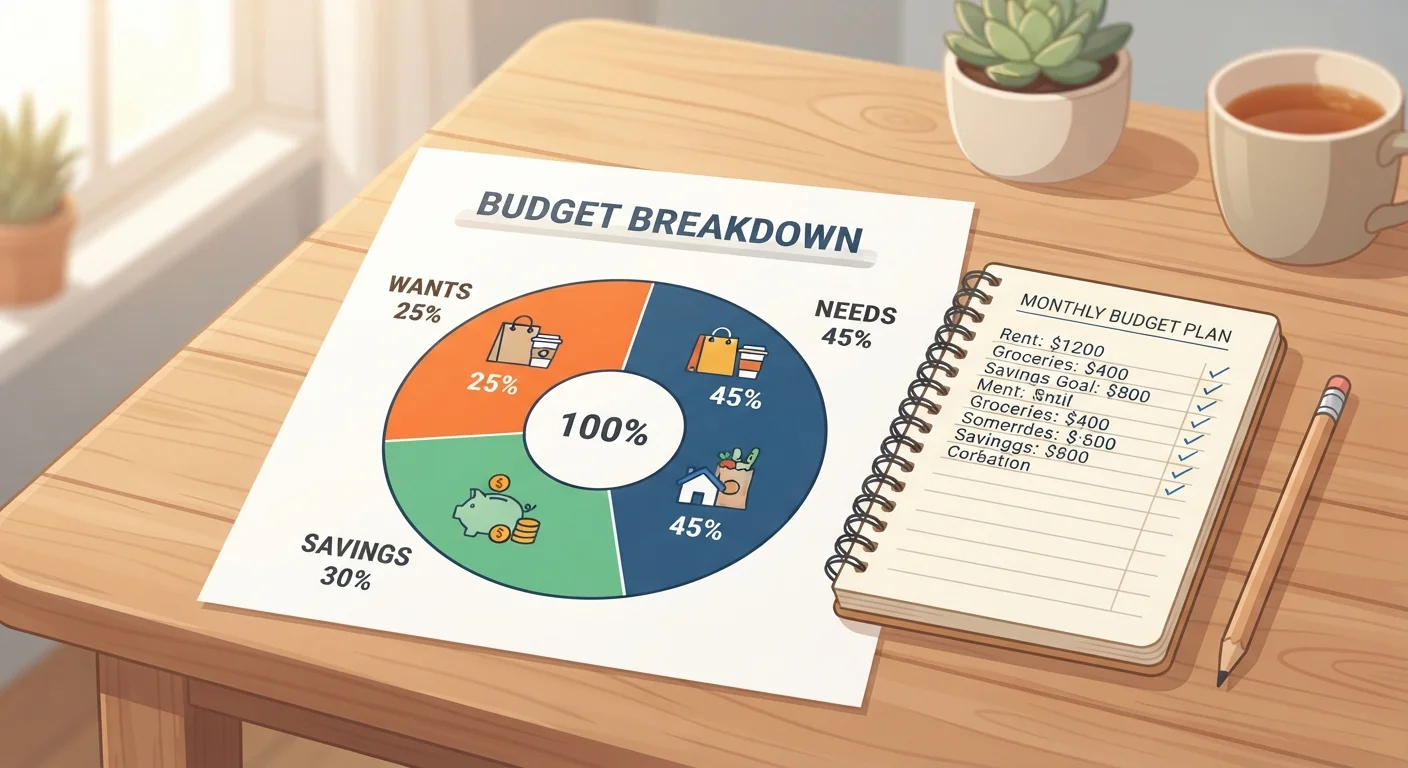
Photo credit: PrimeReads.net | Discover Insightful And Creative Blogs
In this article
Understand the popular 50/30/20 budgeting framework — what the three categories mean, how they're calculated, and when the rule works best.
Key Takeaways
- The 50/30/20 rule splits after-tax income into needs (50%), wants (30%), and savings or debt repayment (20%).
- It works best for people with stable, predictable incomes who want a simple starting framework.
- High cost-of-living areas may make the 50% needs cap difficult to achieve without adjustments.
- The 20% savings category should prioritize high-interest debt payoff and emergency funds first.
- It's a guideline, not a rigid rule - adapting the percentages to your situation is encouraged.
How the Three Categories Are Defined
The 50/30/20 rule organizes your monthly after-tax income into three buckets. Understanding what belongs in each one is the foundation of making the rule work. If you're new to budgeting more broadly, this introduction to personal budgeting covers the core concepts before you apply any specific framework.
Needs - 50%
Needs are non-negotiable expenses - the bills and costs you must pay to maintain basic living and employment. Common examples include rent or mortgage, utilities, groceries, minimum debt payments, health insurance, and transportation to work. The test: if skipping it would seriously harm your health, housing, or ability to earn income, it's a need.
Wants - 30%
Wants are lifestyle choices - things you spend money on because you value them, not because you'd face serious consequences without them. Dining out, streaming subscriptions, gym memberships, vacations, and clothing beyond the basics all fall here. This category gives your budget breathing room and makes it sustainable. A breakdown of common spending categories can help you decide where to slot ambiguous expenses.
Savings and Debt Repayment - 20%
This bucket covers building financial security: contributions to an emergency fund, retirement accounts, investment accounts, and any debt repayment beyond the required minimum. Financial educators generally suggest prioritizing high-interest debt and a starter emergency fund before other savings goals. For guidance on sizing your emergency fund, see how to calculate your emergency fund target.
Calculating Your Numbers in Practice
Start with your monthly after-tax income. If you're salaried, this is your take-home pay after taxes and any pre-tax deductions. If you have irregular income, use a conservative monthly estimate based on recent months.
From there, the math is simple multiplication:
- 50% needs: Monthly take-home × 0.50
- 30% wants: Monthly take-home × 0.30
- 20% savings/debt: Monthly take-home × 0.20
For example, if your take-home pay is $4,000 per month, you'd target $2,000 for needs, $1,200 for wants, and $800 for savings and debt repayment.
Next, total up your current spending in each category and compare it to those targets. Most people discover their needs exceed 50% or their wants exceed 30% - that's normal and useful information. The gap tells you exactly where to focus first.
Automate the 20% first
Setting up an automatic transfer to your savings or debt payment account on payday removes the decision entirely. When the money moves before you see it in your checking balance, you're far less likely to spend it - a principle sometimes called 'paying yourself first.' Even small automated amounts build consistent momentum over time.
Once you have your target numbers, a monthly budget setup checklist can help you organize your income, fixed costs, and savings targets into a working plan.
When the 50/30/20 Rule Works Well - and When to Adjust It
The rule is deliberately simple, which is its greatest strength and its main limitation.
Where it works well
The 50/30/20 rule suits people who earn a stable paycheck, want a low-maintenance budgeting approach, and are starting from scratch with no existing system. It prevents the two most common budgeting failures: over-restricting (which leads to burnout) and under-saving (which leaves no cushion for emergencies or the future).
Where it needs adjustment
In high cost-of-living cities, housing alone can consume 40-50% of take-home pay, making the 50% needs cap unrealistic without significant trade-offs. In those cases, some people shift to a 60/20/20 or 70/20/10 structure temporarily while working to reduce fixed costs. Low-income households may find the 20% savings target unworkable in the short term - in that situation, saving any consistent amount, even 5%, builds the habit that can be scaled later.
If you prefer more precise control over every dollar, a different method may suit you better. A comparison of major budgeting approaches can help you decide which framework fits your habits and goals.
This article is for general informational and educational purposes only and does not constitute personalized financial advice. For guidance specific to your financial situation, consider speaking with a qualified financial professional.
Frequently Asked Questions

Author
Money Editorial Team
Money Editorial Team is the collective byline for our editorial team and contributor network. Articles published under this byline or an editorial pen name are researched, written, and reviewed according to our editorial standards for clarity, consistency, and independence before publication.
View all articles →