
Physical Health Across the Decades: How Exercise Needs Shift with Age
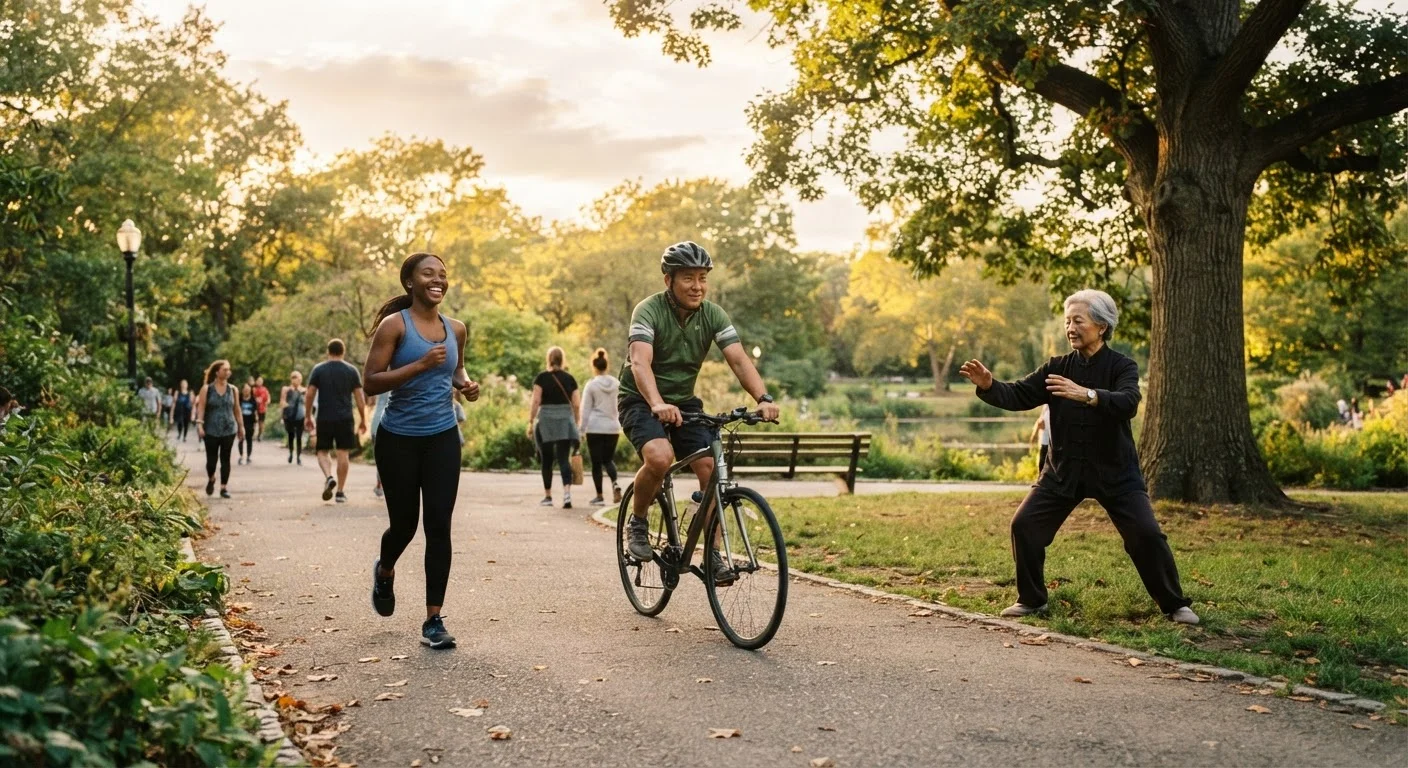
Photo credit: PrimeReads.net | Discover Insightful And Creative Blogs
In this article
From your 20s to your 70s, the body's response to exercise changes. This guide covers what those shifts mean for staying active at every stage.
Key Takeaways
- Muscle mass and bone density begin declining gradually in your 30s, making strength training increasingly important over time.
- The federal Physical Activity Guidelines recommend 150 minutes of moderate aerobic activity weekly for most adults.
- Balance and flexibility training become critical in later decades to reduce fall risk.
- Recovery time between workouts tends to lengthen with age, requiring more intentional rest.
- Consistency across decades matters more than intensity at any single life stage.
Why Exercise Needs Change With Age
The human body is not static. From your early 20s onward, physiology shifts in ways that affect how muscles respond to training, how efficiently the cardiovascular system works, and how long recovery takes. These changes are not reasons to exercise less - they are reasons to exercise smarter.
Key biological shifts include a gradual decline in muscle mass (called sarcopenia) beginning around the mid-30s, a reduction in bone density that accelerates particularly after menopause, slower metabolism, and decreased flexibility in connective tissue. Hormonal changes, including declining levels of testosterone and estrogen, also influence how the body builds and maintains muscle.
Understanding these transitions helps you adjust your approach proactively rather than reactively. For a broader look at how recommended screenings and preventive habits shift alongside exercise needs, see our decade-by-decade preventive care overview.
1-2%
Annual muscle mass loss starting in your 30s
Research published in journals including Age and Ageing estimates age-related muscle loss begins around age 30 without active resistance training.
150 min
Weekly moderate aerobic activity recommended for adults
Per the U.S. Department of Health and Human Services Physical Activity Guidelines for Americans, applicable to adults of all ages.
~30%
Reduction in fall risk with balance training
A Cochrane review of exercise interventions for older adults found balance and functional exercise programs meaningfully reduced fall rates.
Your 20s: Building the Foundation
The 20s represent a physiological peak for most people. Aerobic capacity, muscle-building potential, and recovery speed are all at or near their highest. This makes it an ideal window to establish habits that will pay dividends for decades.
Cardiorespiratory fitness and strength both respond rapidly to training at this stage. The Physical Activity Guidelines for Americans recommend at least 150 minutes of moderate-intensity aerobic activity - or 75 minutes of vigorous activity - per week for adults, along with muscle-strengthening activity on two or more days. In your 20s, many people can meet and exceed these thresholds comfortably.
The most common mistake in this decade is skipping flexibility work and treating rest days as optional. Building habits around mobility and recovery now reduces the risk of overuse injuries that compound over time. Nutrition fuels everything - our guide on how nutritional needs shift with age maps out what to prioritize at each stage.
Your 30s and 40s: Adapting to Life's Demands
These decades often bring competing demands - careers, children, and less discretionary time. Simultaneously, the body begins to change. Muscle mass starts declining at roughly 1-2% per year after age 30 if not actively maintained. Metabolic rate gradually slows. Recovery from intense sessions takes longer than it did at 25.
Strength training becomes especially valuable here. Preserving lean muscle mass supports metabolism, joint stability, and long-term functional independence. Two to three resistance sessions per week, targeting major muscle groups, are widely supported by sports medicine and public health guidance.
Aerobic fitness remains important, but higher-impact activities like running may start to stress joints more noticeably. Many people find that mixing modalities - cycling, swimming, or brisk walking alongside strength work - sustains fitness while reducing cumulative impact.
In your 30s and 40s, treat your two weekly strength sessions as non-negotiable appointments - consistency at this stage does more to protect long-term muscle mass than any single intense workout.
Sarcopenia is gradual and largely preventable with regular resistance training. Early investment creates a protective buffer as natural decline accelerates later.
If joint discomfort is making high-impact cardio feel unsustainable, switch to a modality you'll actually do - swimming or cycling - rather than pushing through pain and risking injury-forced inactivity.
Adherence is the most powerful predictor of exercise's long-term benefits; the best workout is one a person consistently completes without injury.
If you're returning to exercise after a gap in these years, ease in gradually. Our article on starting exercise after a long break outlines how to do that safely.
Your 50s and 60s: Prioritizing Preservation
By the 50s, hormonal shifts are more pronounced. Postmenopausal women experience accelerated bone density loss; men see more gradual but meaningful declines in testosterone. Both changes make resistance training and weight-bearing exercise not just beneficial, but arguably essential.
Balance training - often overlooked in earlier decades - becomes a genuine priority. Falls are a leading cause of injury in older adults, and balance-specific exercise has been shown to reduce fall risk. Activities like yoga, tai chi, and targeted stability drills complement traditional strength and cardio routines effectively.
Joint health also deserves attention. Low-impact aerobic options such as swimming, elliptical training, and cycling allow people to maintain cardiovascular fitness while minimizing stress on hips, knees, and ankles. Flexibility work - dynamic stretching before activity, static stretching after - supports range of motion that otherwise narrows with age.
This is also a decade to stay current on recommended health screenings that intersect with exercise safety, including cardiovascular assessments. Always consult a healthcare provider before making significant changes to your exercise routine, particularly if managing any chronic conditions.
Your 70s and Beyond: Movement as Medicine
The evidence base for exercise in older adults is robust and consistent: regular physical activity in the 70s and beyond is associated with better mobility, reduced cognitive decline, improved mood, and greater independence. The goal shifts from performance to function and quality of life.
The Physical Activity Guidelines note that older adults should follow adult guidelines if able, and when chronic conditions limit this, they should be as physically active as their abilities allow. Even light activity - a daily walk, gentle stretching, chair-based exercises - provides meaningful benefit over sedentary behavior.
Strength training remains relevant and safe when properly adapted. Research supports resistance exercise for older adults as a key tool against sarcopenia and osteoporosis. Working with a physical therapist or certified fitness professional experienced with older adults can help tailor programming appropriately.
Hydration is easy to overlook but especially important during exercise as thirst perception can decrease with age. See our hydration during exercise guide for practical guidance on fluid intake before, during, and after activity.
Principles That Apply at Every Age
Across every decade, a handful of principles hold constant:
- Consistency beats intensity. Regular moderate activity accumulated over years produces better long-term outcomes than sporadic bursts of hard training.
- Rest is part of training. Recovery - sleep, rest days, and proper nutrition - is when adaptation actually occurs.
- Listen to your body. Pain is a signal, not a challenge to push through. Distinguishing muscle fatigue from injury matters at any age.
- Movement quality matters. Proper form reduces injury risk and makes exercise more effective regardless of age or fitness level.
Physical activity is deeply connected to broader health behaviors. How you eat across a lifetime shapes your energy, recovery, and long-term vitality - our guide to nutritional needs across the decades is a useful companion to this one. Similarly, physical and emotional health are intertwined; explore how mental wellness needs shift with age for a fuller picture of lifelong wellbeing.
This article is for general informational and educational purposes only and is not a substitute for personalized medical advice. Always consult a qualified healthcare provider before beginning or significantly changing an exercise program, especially if you have existing health conditions or have been inactive for an extended period.

Author
Health Editorial Team
Health Editorial Team is the collective byline for our editorial team and contributor network. Articles published under this byline or an editorial pen name are researched, written, and reviewed according to our editorial standards for clarity, consistency, and independence before publication.
View all articles →