
Hydration During Exercise: How Much Water Is Actually Enough?
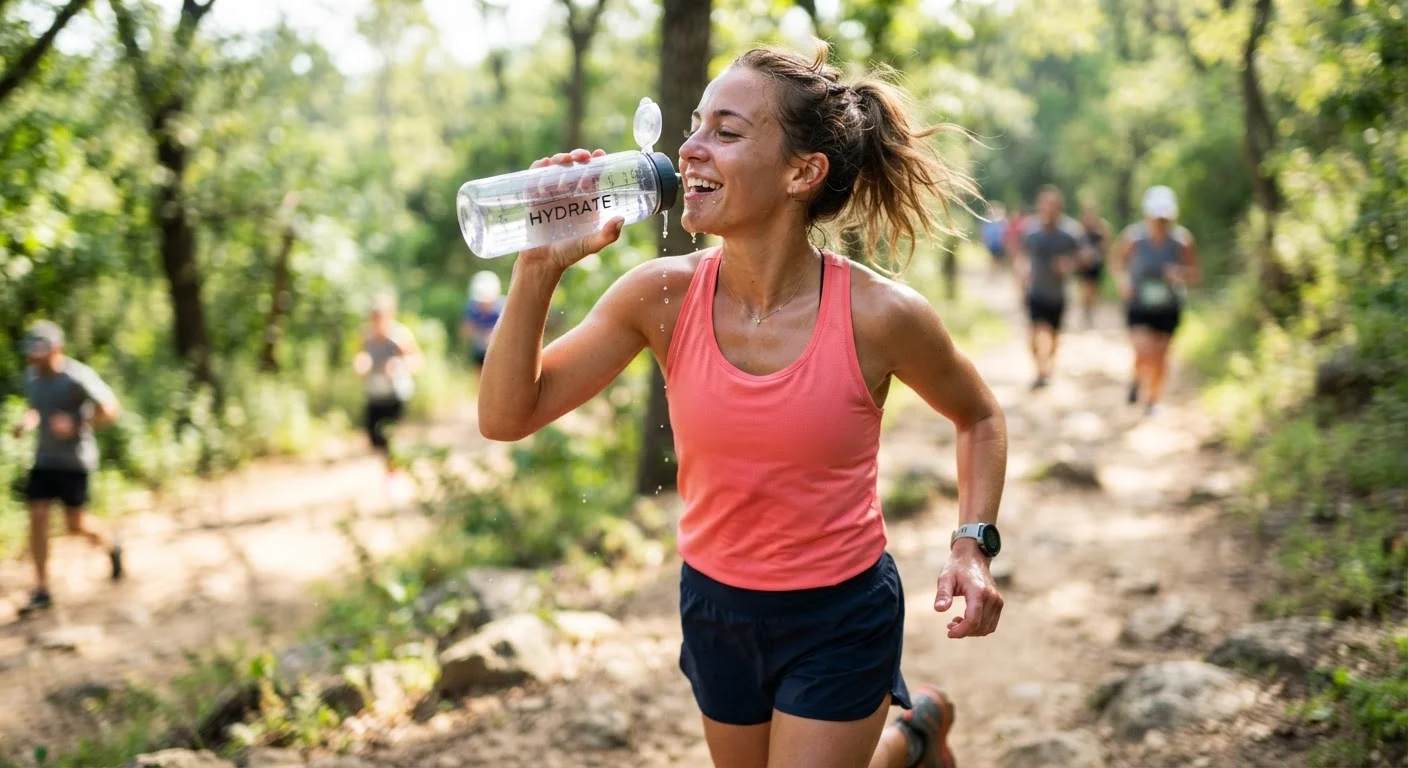
Photo credit: PrimeReads.net | Discover Insightful And Creative Blogs
In this article
Fluid needs vary by activity, climate, and body size. Learn what guides healthy hydration before, during, and after physical exertion.
Key Takeaways
- Fluid needs vary significantly based on body size, activity intensity, climate, and sweat rate.
- Thirst is a useful but imperfect guide - don't wait until you're very thirsty to drink.
- Electrolytes matter for sessions lasting longer than 60 minutes or in high heat.
- Overhydration is a real risk; drinking excessive plain water can dilute sodium levels dangerously.
- Urine color remains one of the simplest practical tools for assessing day-to-day hydration status.
Why Hydration Matters More Than You Think
Water makes up roughly 60% of the human body and plays a critical role in nearly every physiological process - from regulating body temperature to delivering nutrients to working muscles. During exercise, the body generates heat, and sweating is its primary cooling mechanism. Even modest fluid losses can affect how you feel and function.
Research from the American College of Sports Medicine suggests that a fluid deficit of just 2% of body weight - about 3 pounds for a 150-pound person - can begin to impair aerobic performance and cognitive function. The takeaway: staying adequately hydrated isn't just about comfort. It directly affects how well your body performs and recovers.
What makes hydration tricky is that needs are highly individual. A recreational walker on a cool morning has very different fluid requirements than someone running a summer half-marathon. Understanding the factors at play helps you make smarter choices, not just follow a one-size-fits-all rule.
Before You Exercise: Start Well-Hydrated
One of the most effective hydration strategies costs nothing: begin your workout already well-hydrated. The American College of Sports Medicine recommends drinking approximately 17 to 20 ounces of fluid two to three hours before exercise, with an additional 8 ounces about 20 to 30 minutes before you start. This front-loading approach helps ensure your body isn't starting at a deficit.
Checking your urine color before heading out is a quick, practical check. Pale yellow - similar to lemonade - generally indicates good hydration. Dark yellow or amber suggests you need more fluids before exerting yourself.
Keep in mind that caffeinated beverages, alcohol, and high-sodium foods the day before can all influence your baseline hydration status. For everyday workouts, plain water is almost always sufficient preparation. For endurance events or prolonged activity in the heat, pairing water with a sodium-containing snack or sports drink may help retain fluids more effectively.
During Exercise: Matching Intake to Output
The goal during exercise is to prevent significant dehydration without overcorrecting with excessive fluid intake. General guidance from sports medicine organizations suggests aiming for 6 to 12 ounces of fluid every 15 to 20 minutes during moderate-to-vigorous activity, adjusting based on how heavily you're sweating and environmental conditions.
Thirst is a reasonable signal, but it lags behind actual fluid loss - especially as you get older or become accustomed to pushing through discomfort. Using thirst as a starting point while following a rough drinking schedule during long workouts tends to work better than either extreme of drinking only when parched or forcing yourself to drink constantly.
For workouts lasting longer than 60 minutes, electrolytes - particularly sodium and potassium - become more relevant. Sweating depletes these minerals, and replacing only water without electrolytes in prolonged exercise can dilute blood sodium levels, a condition called hyponatremia. Sports drinks, electrolyte tablets, or salty snacks can help maintain balance without requiring specially formulated products for most people.
As your activity patterns evolve with age, hydration needs may shift as well. Learn more in our guide to how exercise needs change across the decades.
After Exercise: Recovery Hydration Done Right
Post-exercise hydration accelerates recovery by restoring fluid and electrolyte balance, supporting muscle repair, and helping regulate body temperature back to baseline. A practical guideline is to drink approximately 16 to 24 ounces of fluid for every pound of body weight lost during exercise - though most everyday exercisers don't need to weigh themselves before and after every session.
For most moderate workouts, drinking water consistently over the first one to two hours after exercise, along with a balanced meal or snack containing some sodium, provides adequate recovery support. Whole foods naturally containing water - fruits, vegetables, soups - also contribute meaningfully to rehydration.
Avoid the temptation to drink large volumes of plain water rapidly after intense or prolonged effort. Gradual rehydration is more effective and safer than trying to replace all lost fluids at once. If you notice symptoms such as muscle cramps, confusion, or feeling unusually bloated after drinking a lot of water, those can be signs of electrolyte imbalance that warrant medical attention.
This article is for general informational and educational purposes only and is not a substitute for professional medical advice. Always consult a qualified healthcare provider before beginning a new exercise program or if you have concerns about hydration and health.

Author
Health Editorial Team
Health Editorial Team is the collective byline for our editorial team and contributor network. Articles published under this byline or an editorial pen name are researched, written, and reviewed according to our editorial standards for clarity, consistency, and independence before publication.
View all articles →