
Why Sodium Gets a Bad Name - and When That's Actually Justified
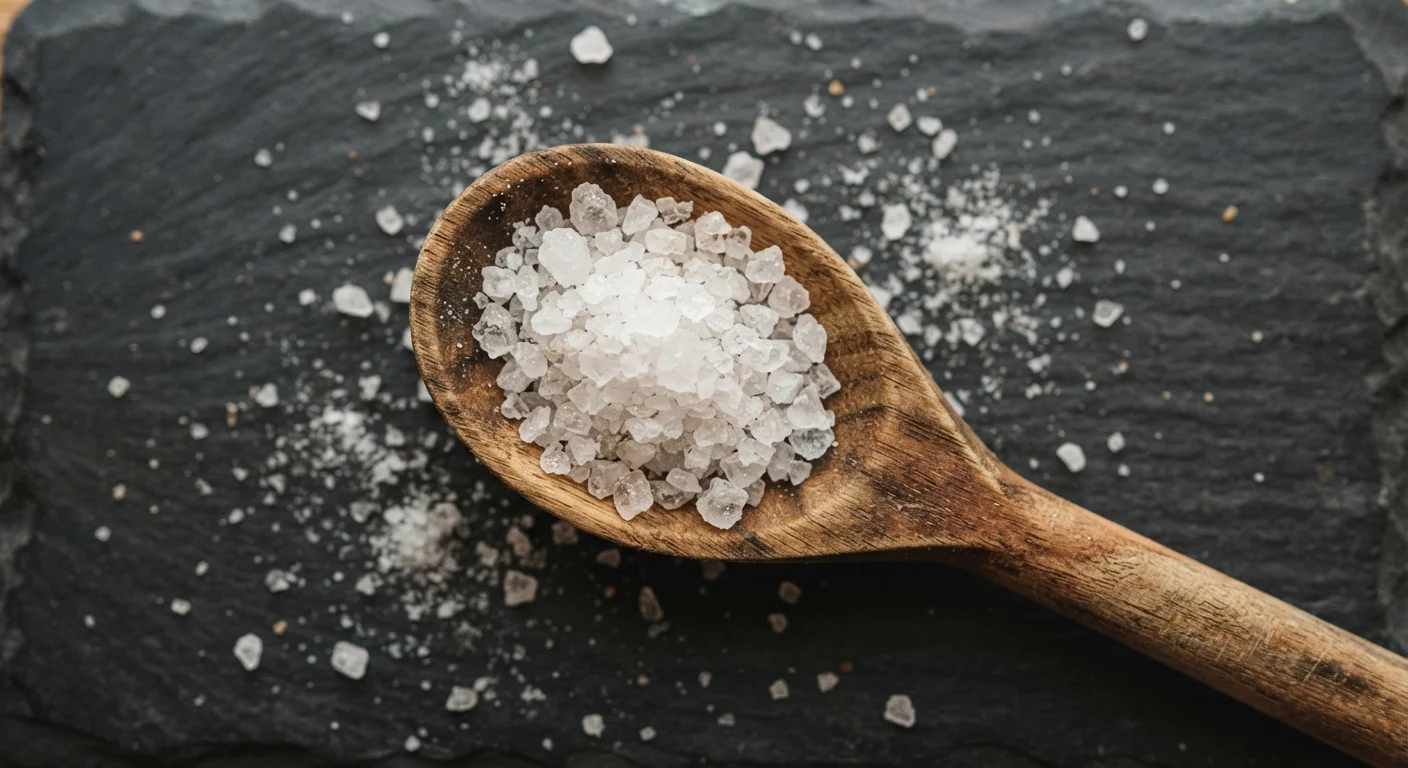
Photo credit: PrimeReads.net | Discover Insightful And Creative Blogs
In this article
Salt isn't simply the enemy. This article explains sodium's real role in the body, the risks of excess, and what balance looks like.
Key Takeaways
- Sodium is an essential mineral the body cannot produce on its own and must obtain through food.
- The kidneys regulate sodium levels, but chronically high intake can overwhelm this system over time.
- Most excess sodium in American diets comes from processed and restaurant foods, not home cooking.
- Current U.S. dietary guidelines recommend limiting sodium to 2,300 mg per day for most adults.
- Individual sodium sensitivity varies - genetics, age, and kidney health all influence how the body responds.
- Both too much and too little sodium can impair health; balance, not elimination, is the goal.
What Sodium Actually Does in the Body
Sodium's reputation as a dietary villain is built on real science - but it tells only part of the story. Before evaluating the risks, it helps to understand why the body needs sodium in the first place.
Sodium is an electrolyte, meaning it carries an electrical charge in solution. It works in partnership with potassium to maintain the balance of fluids inside and outside cells - a process foundational to nearly every physiological function. Nerve impulses depend on sodium flowing rapidly across cell membranes. Muscle contractions, including the rhythmic beating of the heart, require the same mechanism. The kidneys use sodium concentration as a key signal for regulating blood pressure and fluid volume.
Because the body cannot manufacture sodium on its own, it must come entirely from food and drink. When intake drops too low, the kidneys conserve sodium aggressively. When intake is excessive over time, that same regulatory system can be strained - particularly in people with underlying conditions. Understanding this dynamic is what makes the sodium conversation more nuanced than "just eat less salt." For a broader look at how minerals work together in the body, see our guide to everyday minerals.
The Case Against Excess Sodium
The concern around sodium is well-founded and backed by decades of research. The primary documented risk of habitually high sodium intake is elevated blood pressure, or hypertension - a condition the American Heart Association identifies as a leading risk factor for heart disease and stroke.
Here's the mechanism: when sodium accumulates in the bloodstream, the body retains more water to dilute it, increasing the volume of fluid that the heart must pump. Over time, this added pressure can damage arterial walls, strain the heart, and impair kidney function. The kidneys, tasked with filtering excess sodium, can themselves become damaged by long-term hypertension - creating a reinforcing cycle.
3,400 mg
Average daily sodium intake for U.S. adults
According to the CDC, this is roughly 48% above the 2,300 mg daily limit recommended by U.S. dietary guidelines.
70%
Dietary sodium from processed and restaurant foods
The FDA estimates that the vast majority of sodium Americans consume comes from packaged and prepared foods, not salt added during cooking or at the table.
25-50%
Proportion of people considered salt-sensitive
Research published in medical literature suggests that salt sensitivity - a heightened blood pressure response to sodium - affects roughly a quarter to half of the general adult population, with higher rates among those with hypertension.
The relationship is not identical for everyone. Research distinguishes between "salt-sensitive" individuals - whose blood pressure responds more dramatically to dietary sodium - and those who are less affected. Salt sensitivity is more common in people over 50, African Americans, and those with existing hypertension, diabetes, or reduced kidney function. This variability is one reason population-level dietary guidelines exist: they're calibrated for broad public benefit, not necessarily every individual. For guidance on interpreting nutrition research accurately, this article on evaluating nutrition studies offers useful context.
Where the Real Problem Lies: Processed Foods
For most Americans, the sodium problem isn't the pinch of salt added at the stove - it's the sodium already present in processed, packaged, and restaurant foods before a meal even reaches the table. The FDA estimates that roughly 70% of Americans' sodium intake comes from these sources.
Bread, cured meats, canned soups, cheese, breakfast cereals, and bottled condiments are all significant contributors. A single fast-food sandwich can contain more than 1,500 mg of sodium - nearly two-thirds of the recommended daily limit. Portion sizes and ingredient combinations compound the effect.
This has meaningful implications for how consumers approach sodium reduction. Swapping table salt for sea salt or Himalayan pink salt doesn't meaningfully change sodium intake - those alternatives contain roughly the same amount of sodium by weight. The more impactful approach is reading nutrition labels and being attentive to packaged food choices. Many foods marketed as "healthy" can still be high in sodium, which is worth examining carefully - this piece on misleading health labels explores that nuance in depth. The companion article on hidden sodium in everyday diets maps these sources in detail.
Finding Balance Without Fear
The goal is informed balance, not avoidance. Sodium is a nutrient the body needs - the question is whether intake aligns with individual health circumstances and general evidence-based guidance.
Current U.S. Dietary Guidelines recommend no more than 2,300 mg of sodium per day for adults, with lower targets sometimes suggested for people with hypertension or kidney disease. These are general thresholds, not personal prescriptions. Anyone managing a health condition that affects sodium metabolism - including heart failure, kidney disease, or adrenal disorders - should work with a healthcare provider to determine what's appropriate for their specific situation.
For generally healthy individuals, a practical approach involves prioritizing whole and minimally processed foods, becoming familiar with nutrition labels, and being aware that "low sodium" on a label means fewer than 140 mg per serving - a useful benchmark. Flavor doesn't have to suffer either; herbs, citrus, vinegar, and spices can compensate for reduced salt without nutritional compromise.
This article is for general informational purposes only and does not constitute medical or dietary advice. Consult a qualified healthcare professional before making changes to your diet, particularly if you have an existing health condition.
Frequently Asked Questions

Author
Food Editorial Team
Food Editorial Team is the collective byline for our editorial team and contributor network. Articles published under this byline or an editorial pen name are researched, written, and reviewed according to our editorial standards for clarity, consistency, and independence before publication.
View all articles →