
The Everyday Minerals Most People Overlook
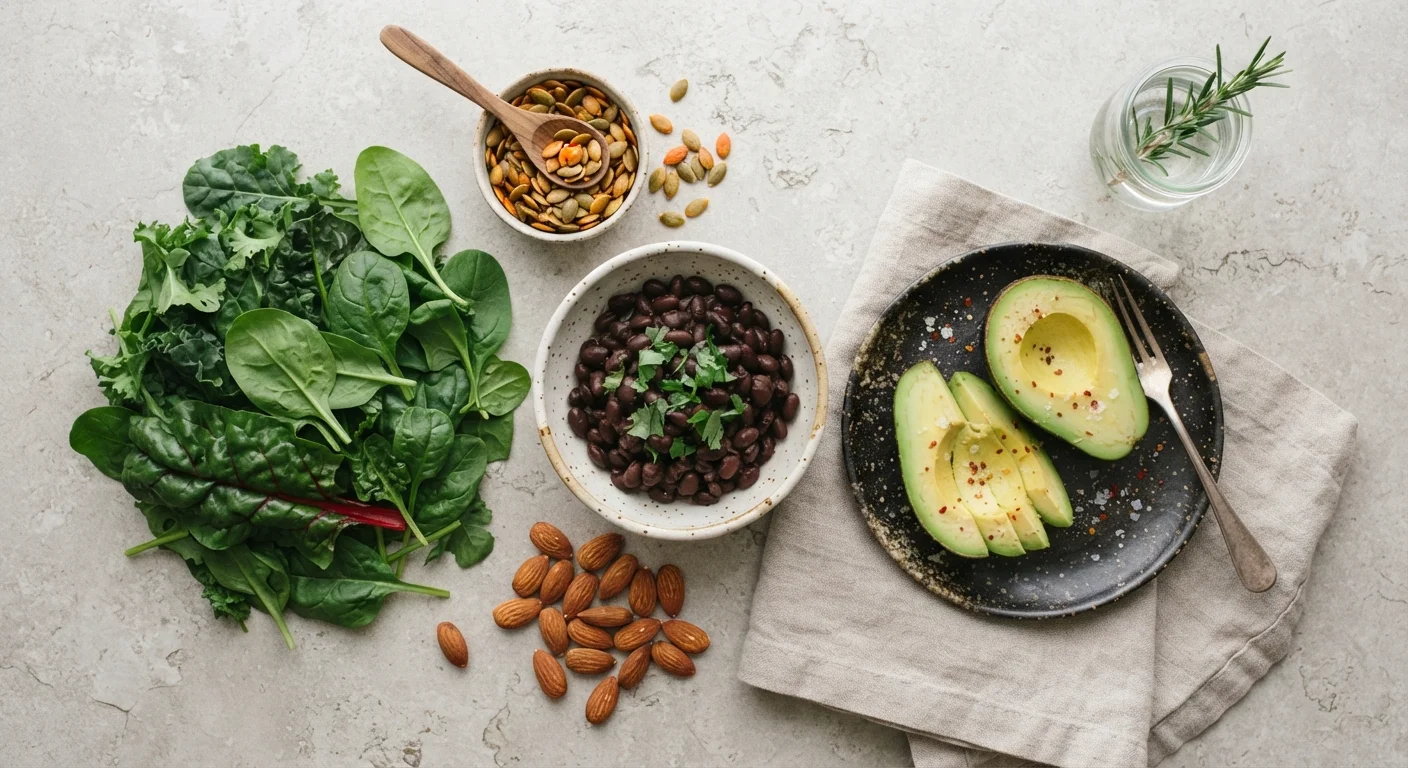
Photo credit: PrimeReads.net | Discover Insightful And Creative Blogs
Calcium and iron get all the attention. Here's a look at lesser-discussed minerals — magnesium, potassium, zinc — and what they actually do.
Key Takeaways
- Magnesium, potassium, zinc, selenium, and manganese are essential minerals most Americans consume in insufficient amounts.
- Each overlooked mineral plays distinct roles - from muscle function to immune defence to bone metabolism.
- Whole grains, legumes, nuts, seeds, and leafy greens are practical sources of multiple underconsumed minerals.
- Mineral deficiencies can be subtle and cumulative, making consistent dietary patterns more important than single meals.
- General food information here is not a substitute for personalized guidance from a qualified healthcare professional.
Why Some Minerals Get Overlooked
Calcium builds bones. Iron carries oxygen. These are the minerals that dominate nutrition labels, public health campaigns, and dinner-table conversation. Yet the body relies on a broader cast of minerals - many of which receive far less attention - to regulate muscle contractions, support immune function, maintain fluid balance, and power thousands of enzymatic reactions every day.
The USDA's dietary guidelines identify several minerals where average American intake falls short of recommended levels, including magnesium and potassium. Zinc and selenium, while needed in smaller quantities, are also areas where intake patterns deserve a closer look. Unlike dramatic deficiency diseases, shortfalls in these minerals often produce gradual, nonspecific changes - fatigue, muscle cramps, slower healing - that are easy to attribute elsewhere.
Understanding what each mineral does, and which foods reliably supply it, is one of the more practical upgrades a person can make to their nutritional awareness. For a parallel look at micronutrients in the vitamin category, see our field guide to vitamins.
Magnesium
Magnesium is involved in more than 300 enzymatic reactions in the body, including protein synthesis, blood glucose regulation, and blood pressure management. It also plays a central role in muscle and nerve function, which is why cramps and disrupted sleep are among the more commonly reported signs of low intake.
The NIH estimates that a large portion of adults in the United States consume less magnesium than recommended daily amounts. Good dietary sources include dark leafy greens (especially spinach), pumpkin seeds, almonds, black beans, and whole grains like quinoa and brown rice. Processing tends to strip magnesium from grains, so choosing less-refined options makes a meaningful difference over time.
Magnesium participates in over 300 enzymatic reactions, yet many adults fall short of recommended daily amounts.
Potassium
Potassium is the primary electrolyte inside cells and works in close partnership with sodium to maintain fluid balance and support normal heart rhythm. Adequate potassium intake is associated in research with healthier blood pressure ranges, but most Americans consume significantly less than the Adequate Intake level set by health authorities.
The association between potassium and bananas is accurate but incomplete. Potatoes (with skin), white beans, lentils, avocado, acorn squash, and salmon are all potassium-dense foods that diversify your options considerably. Because potassium and sodium interact directly in the body, diets heavy in processed foods - high in sodium and low in potassium - create a compounding imbalance. For more on that dynamic, see where hidden sodium accumulates.
Potassium and sodium work as counterparts; an imbalance between them can affect blood pressure over time.
Zinc
Zinc is essential to immune function, wound healing, DNA synthesis, and the sense of taste and smell. It acts as a structural component in dozens of proteins and enzymes, making it one of the more biologically active trace minerals in the body. Unlike some minerals, the body has no dedicated zinc storage system, which means regular dietary intake matters.
Oysters are the single richest food source of zinc by a wide margin. For everyday eating, beef, pork, chickpeas, pumpkin seeds, cashews, and fortified cereals provide practical amounts. Plant-based eaters should be aware that phytates - compounds found in legumes and whole grains - can reduce zinc absorption, making varied plant sources and adequate overall intake especially relevant for those following vegan or vegetarian diets.
The body stores little zinc, so consistent intake from food sources is more important than occasional large amounts.
Selenium
Selenium is a trace mineral with outsized responsibilities. It is a key component of selenoproteins - antioxidant enzymes that help protect cells from oxidative damage - and it plays a documented role in thyroid hormone metabolism. The thyroid gland contains some of the highest selenium concentrations in the body.
Brazil nuts are exceptional: a single nut can supply a full day's worth of selenium, which also means regular overconsumption carries risk. For more moderate, consistent intake, tuna, sardines, halibut, turkey, cottage cheese, and eggs are reliable options. Selenium content in plant foods varies with soil composition, which is why the food source - rather than general food category - matters here more than in most minerals.
Selenium supports antioxidant defences and thyroid function, but consistent moderate intake is more sustainable than relying on single large doses.
Manganese
Manganese is less discussed than the others on this list, but it is a cofactor for enzymes involved in bone formation, carbohydrate metabolism, and antioxidant activity via the enzyme superoxide dismutase. Severe deficiency is uncommon, but it is worth knowing which foods supply it given how infrequently it appears on nutrition labels.
Whole grains are among the best sources - oats, brown rice, and whole wheat bread deliver meaningful amounts. Legumes, nuts, pineapple, and dark leafy greens like spinach and kale also contribute. As with magnesium, the refining of grains removes a substantial portion of manganese, reinforcing the value of less-processed grain choices as a dietary baseline.
Manganese is rarely discussed but supports bone development and antioxidant metabolism through key enzymatic roles.
Building a More Mineral-Rich Diet
No single food covers every mineral on this list, which is precisely why dietary diversity matters. Rotating through different protein sources - fish, legumes, poultry, nuts - alongside a wide variety of vegetables and whole grains creates natural overlap in mineral coverage without requiring careful tracking for most healthy adults.
One practical pattern worth noting: many of the foods richest in overlooked minerals also happen to be excellent fibre sources. Legumes, seeds, and whole grains deliver both simultaneously - a point explored in greater depth in our article on fibre in everyday eating. Similarly, the sodium conversation has a direct connection to mineral balance, since high sodium intake interacts with potassium regulation - context covered in why sodium gets a bad name.
If you have concerns about specific mineral levels or a health condition that affects absorption, consult a registered dietitian or your primary care provider before making significant dietary changes. The information here is general nutritional education, not medical advice.
Variety Over Volume
Aiming to eat a wide range of whole foods - different vegetables, legumes, grains, and proteins across the week - naturally covers more mineral bases than trying to optimize any single food. Think of dietary variety as your most practical mineral strategy. If you have a health condition affecting nutrient absorption, work with a registered dietitian for personalized guidance.

Author
Food Editorial Team
Food Editorial Team is the collective byline for our editorial team and contributor network. Articles published under this byline or an editorial pen name are researched, written, and reviewed according to our editorial standards for clarity, consistency, and independence before publication.
View all articles →